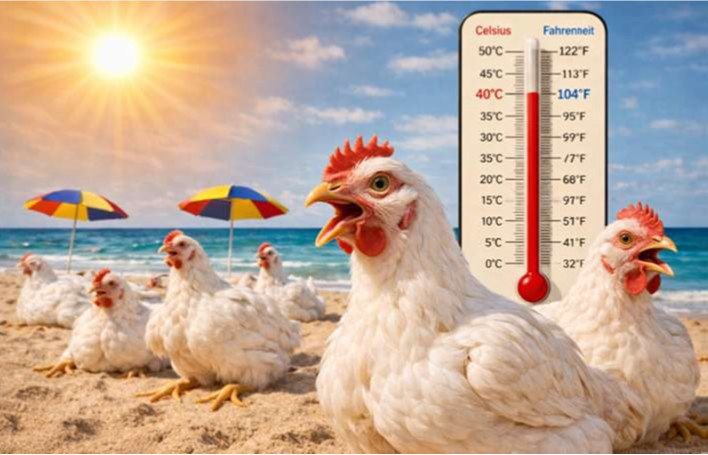
 Summer poses a major challenge to broiler production due to elevated environmental
temperatures. Heat stress during this period can reduce feed intake, slow growth, suppress
immune function, and compromise overall flock health. If not managed effectively, it may
lead to poor flock uniformity, increased mortality, reduced productivity, and substantial
economic losses. A comprehensive, stage-wise management program is therefore essential
to sustain performance during hot weather.
1) Brooding Management (0–14 Days)
The brooding phase is the foundation of broiler performance. Strong brooding management supports early chick vitality, better body weight gain, and improved feed efficiency. In summer, chicks are highly sensitive to temperature fluctuations. Excess heat during the first week can quickly cause dehydration, leading to weak chicks, uneven growth, and long-term uniformity issues. Maintaining optimal brooding temperature and comfort is critical.
Key Practices
- Temperature control: Maintain target brooding temperatures and monitor chick behavior for comfort cues (even distribution, active movement, steady feeding and drinking).
- Ventilation from day one: Ensure adequate air exchange to remove heat, moisture, and ammonia—without creating direct drafts on chicks.
- Extra floor space: Compared to cooler seasons, providing slightly more space helps reduce heat buildup and improves chick comfort.
- Chick equipment only: Use chick feeders and drinkers to ensure easy, continuous access to feed and water.
- Controlled brooding systems: Electric or gas brooders provide more consistent heat distribution and better regulation than uncontrolled heating methods.
- Avoid overcrowding: High stocking density intensifies heat stress and reduces access to feed and water.
Early Heat-Stress Signs in Chicks
Watch closely for:
- Panting
- Dullness or lethargy
- Wings spread away from the body
- Reduced feed intake
- Chicks moving away from heat sources and clustering near cooler areas
Immediate Corrective Actions
If stress signs appear:
- Increase ventilation and airflow without chilling chicks.
- Keep side curtains appropriately open to release trapped heat and ammonia.
- Ensure unrestricted access to cool, clean water to prevent dehydration.
2) Growing Management (15 Days to Market)
As broilers grow, their ability to tolerate heat declines. Larger birds produce more metabolic heat and are more susceptible to heat stress, making space, resource access, and handling practices especially important.
Key Practices
- Provide adequate floor space early: Expand space at the earliest to prevent overcrowding later.
- Resource availability: Maintain enough feeders and drinkers to reduce competition and ensure uniform intake.
- Improve uniformity: Separate weak or smaller birds to support growth and reduce stress from competition.
- Schedule stressful activities wisely: Vaccination and routine procedures should be done during cooler hours (early morning or late evening).
- Minimize handling of heavy birds: Higher body weight birds are more vulnerable— avoid weighing, moving, or catching during peak daytime heat to prevent heat exhaustion and mortality.
3) Feeding Management
High temperatures reduce feed intake, directly affecting growth rate and feed conversion. Feeding programs must aim to maximize intake during cooler periods and reduce metabolic heat production during peak heat.
Practical Feeding Strategy
- Feed during cooler hours: Offer most of the feed early morning and late evening, when birds are more active.
- Midday feeder management: During peak heat, feeders may be temporarily lifted or feeding controlled to reduce metabolic heat production and provide birds more resting space.
- Adequate feeder space: Ensure sufficient feeder access to support uniform consumption across the flock.
- Use structured feeding approaches when needed: Controlled or phase feeding can help optimize nutrient utilization and reduce heat load, particularly in high-risk flocks.
4) Water Management
Water is essential for thermoregulation and maintaining electrolyte balance during summer. In heat stress conditions, water intake rises sharply—so quantity, quality, and temperature become critical.
Key Practices
- Continuous supply: Ensure 24/7 access to clean, cool water.
- Manual systems: Replace water multiple times daily to keep it fresh and cooler.
- Nipple systems: Flush lines regularly to prevent water warming in pipelines.
- Water quality focus: Low groundwater levels can increase contamination risk. Routine water sanitation and monitoring are essential.
- Acidification: Water acidifiers can help maintain hygiene by lowering pH and supporting gut health.
- Supportive supplementation: Electrolytes, probiotics, and Vitamin C through drinking water can improve hydration, reduce oxidative stress, and enhance resilience under heat stress.
5) Shed Management
Housing and environmental control can significantly reduce heat load on birds. The goal is to limit radiant heat, improve air exchange, and enhance evaporative cooling where appropriate.
Cooling and Housing Practices
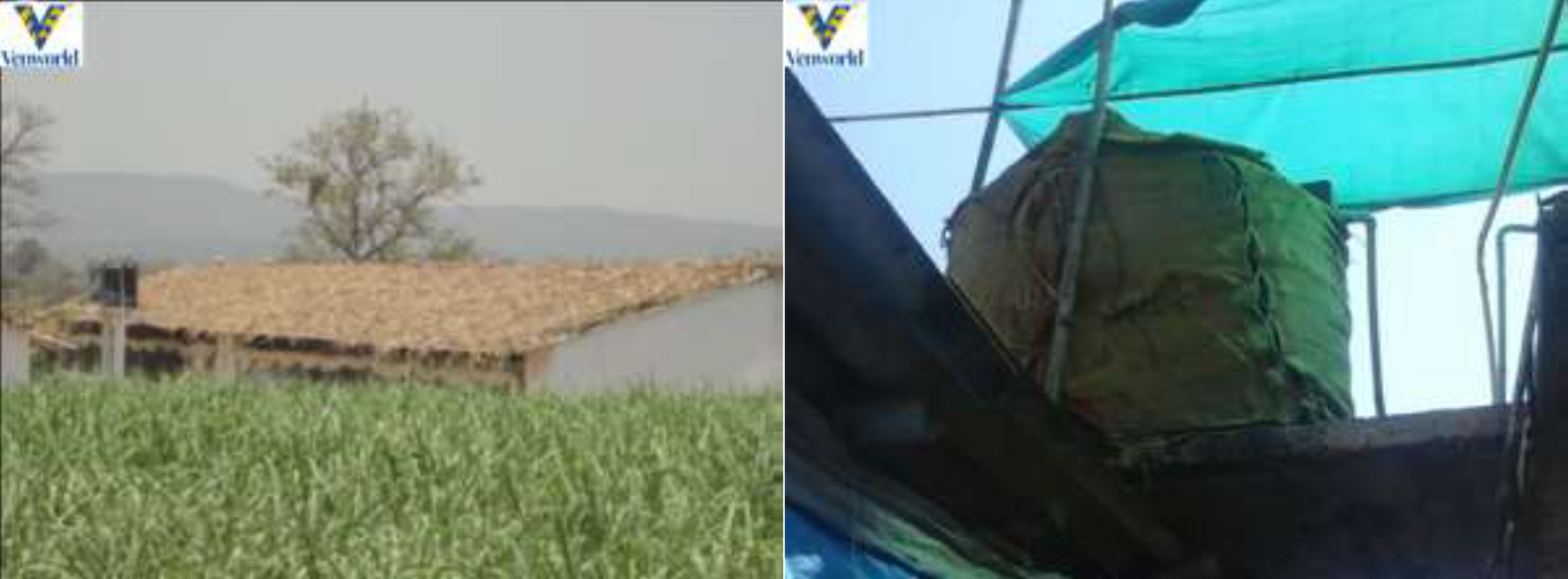
- Roof insulation: Use locally available materials (paddy straw, coconut leaves, etc.) to reduce internal temperature.
- Protect water tanks: Shade external tanks and cover them with wet gunny cloths to prevent water heating.
- Cooling interventions: Use roof sprinklers, foggers, or misting systems to help regulate shed temperature.
- Wet curtains: Hang wet gunny curtains along sidewalls to enhance evaporative cooling.
- Reduce direct sunlight: Ensure proper shed orientation and shading to minimize radiant heat entering during peak hours.
 Litter and Biosecurity
- Maintain good litter quality: Keep litter as dry as possible. Excess moisture increases humidity and ammonia, worsening heat stress and respiratory load.
- Strict biosecurity: Follow strong biosecurity measures consistently to prevent disease outbreaks, which become more damaging during heat stress periods.
Conclusion
Effective summer management in broilers requires an integrated approach across brooding, growing, feeding, water, and shed management. By applying these practical, science-based strategies, producers can minimize heat stress, protect flock health, maintain uniformity, reduce mortality, and sustain consistent performance—even under extreme summer conditions.