Introduction
Stress management in poultry has long relied on conventional practices, such as vitamin C supplementation, electrolyte supplementation, and environmental modifications, to address challenges like heat stress. While these methods have provided relief, the evolving realities of modern poultry farming, marked by complex stressors including disease pressure, oxidative damage, nutritional imbalances, and environmental fluctuations, demand a more comprehensive approach. A significant transition in this field is the adoption of chromium supplementation, either independently or in synergy with vitamin C, to address stress at its root cause.
The Impact of Heat Stress
 Heat stress remains one of the most critical challenges in poultry production. Elevated temperatures trigger physiological changes such as:
- Reduced feed intake and growth rate
- Decline in eggshell quality and egg production
- Increased mortality
- Elevated blood corticosterone levels
These changes compromise immunity, impair glucose uptake due to insulin insensitivity, and accelerate muscle breakdown through gluconeogenesis. The result is a cascade of metabolic dysfunctions that traditional remedies alone cannot fully correct.
Why a Modern, Root-Cause Approach is Necessary
Traditional strategies—electrolytes, vitamin C, and ventilation—remain essential but insufficient. Today’s poultry industry faces multifactorial stressors:
- Increased Metabolic Demands: Modern broilers and layers have higher metabolic rates, leading to oxidative stress.
- Environmental Challenges: Overcrowding, ammonia buildup, and fluctuating temperatures intensify stress.
- Disease Pressure: Antibiotic resistance and emerging pathogens compromise immunity.
- Market Demands: Producers must balance productivity with biosecurity, nutritional consistency, and raw material challenges.
These realities necessitate a shift from isolated solutions to integrated, root-cause interventions.
Chromium: The Cornerstone of Modern Stress Management
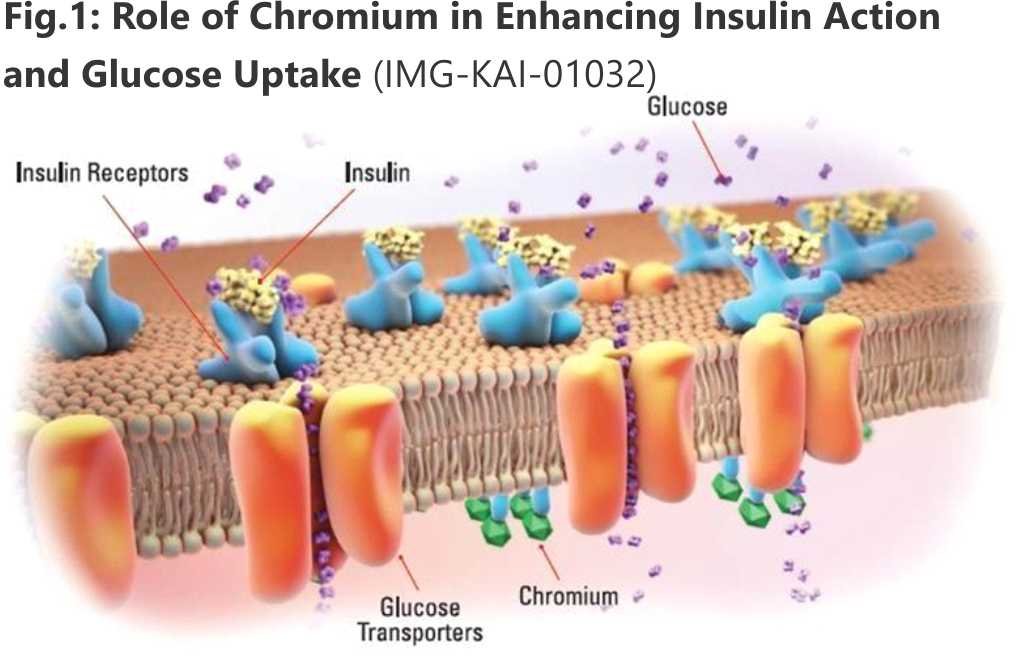
Chromium, a vital trace mineral, enhances insulin action and regulates glucose metabolism. Under stress, corticosterone levels rise, leading to hyperglycemia and inefficient glucose utilization. Chromium supplementation improves insulin sensitivity, stabilizes blood glucose, and reduces oxidative stress by boosting antioxidant enzyme activity. Figure 1 illustrates the role of chromium in enhancing insulin action and glucose uptake at the cellular level.
 Key Research Highlights
- Chromium is essential for carbohydrate, fat, and protein metabolism (Anderson, 1987).
- As part of the Glucose Tolerance Factor (Mertz, 1993), chromium potentiates insulin action.
- Organic chromium supplementation reduces heterophil-to-lymphocyte ratios, a stress marker, in heat-stressed chicks (Bahrami et al., 2012).
- Serum IgG levels improve with chromium supplementation, enhancing immunity (Toghyani et al., 2007).
Chromium Propionate: Addressing the Root Cause
Chromium propionate, a biologically active form of trivalent chromium, directly counters stress by:
- Reducing corticosterone levels
- Enhancing insulin action
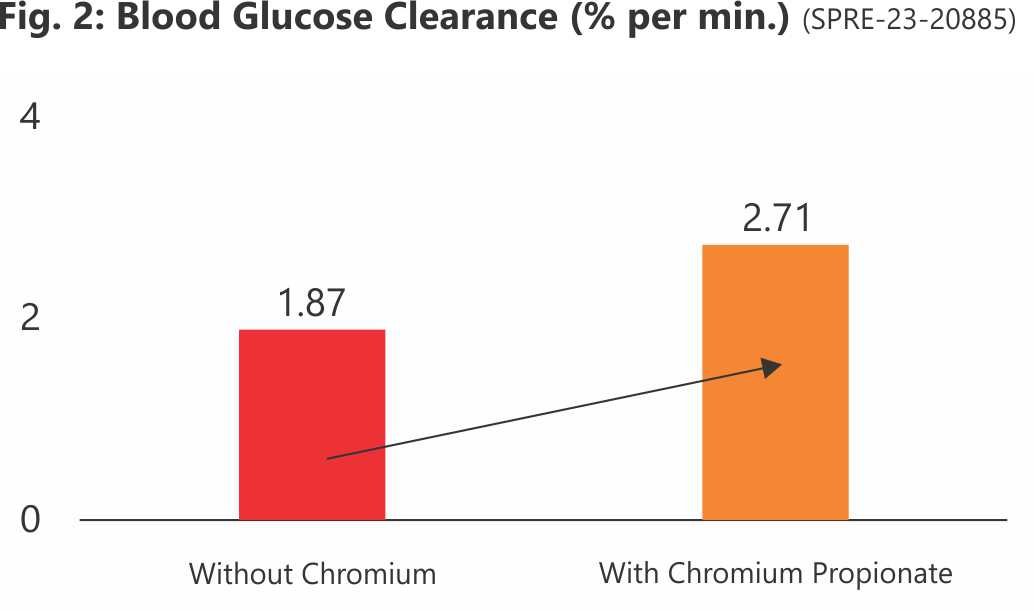
- Accelerating glucose clearance
- Improving energy availability, feed intake, and immunity.
Field data shows up to 40% reduction in corticosterone (Fig. 3) and 45% faster glucose clearance (Fig. 2), directly targeting the metabolic dysfunction behind summer stress.
Why Vitamin C Alone Falls Short?
Vitamin C neutralizes free radicals and supports adrenal function, but it cannot correct:
- Corticosterone surges
- Insulin dysfunction
- Impaired glucose uptake
Thus, despite higher inclusion rates, vitamin C alone cannot fully restore performance under heat stress.
 Synergistic Action: Chromium and Vitamin C
Supplementation through feed with chromium in combination with vitamin C demonstrates a positive metabolic shift in birds under stress conditions (Fig. 4). The combination helps maintain stable insulin levels, supports improved glucose utilization (with a reduction in circulating glucose compared to the control), and significantly lowers corticosterone levels (around a 26% reduction vs. the control) (Sahin et al., 2003).
Role of Vitamin E in Poultry
Vitamin E plays a crucial role in summer management of poultry by acting as a powerful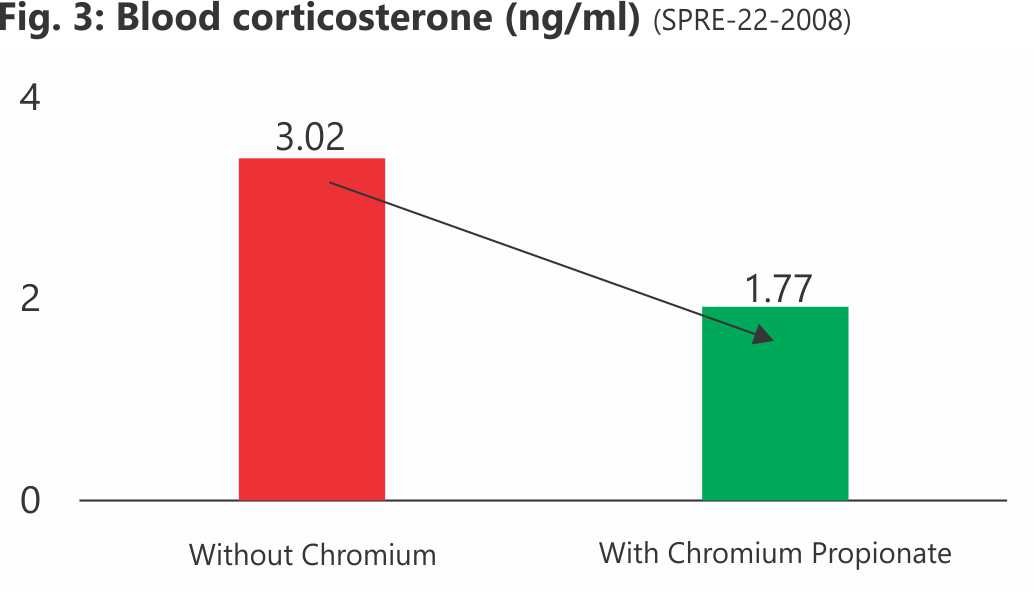 antioxidant that protects cells from heat‑induced oxidative stress. Its supplementation supports immunity and helps maintain performance and egg production during high ambient temperatures.
Why Combine Chromium with Vitamin C and Vitamin E?
While chromium addresses metabolic stress and oxidative damage, vitamins C and E enhance the bird’s ability to cope with environmental and thermal challenges. The combination provides a synergistic effect, offering comprehensive stress management by: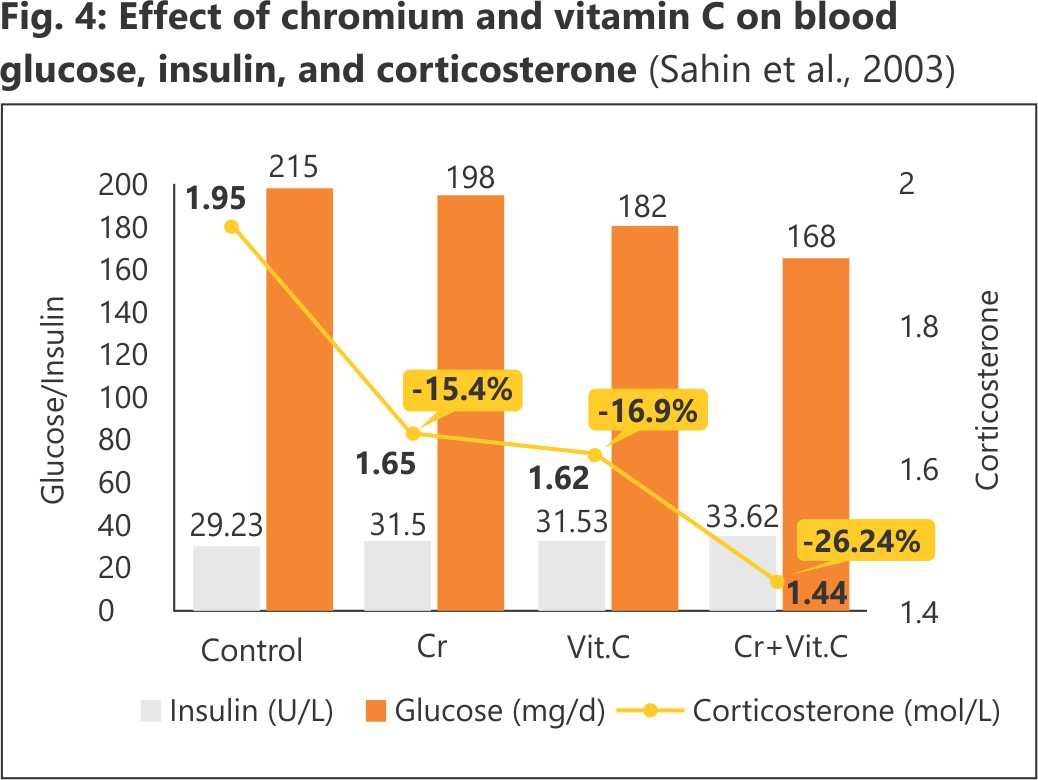
- Reducing corticosterone levels
- Improving glucose metabolism
- Strengthening immune function
- Enhancing antioxidant capacity
- Supporting thermotolerance
- Promoting muscle integrity
A Modern Approach to Stress Management
The poultry industry is at a pivotal stage where traditional stress management practices, though valuable, are no longer sufficient to meet modern production challenges. The transition toward chromium-based supplementation, supported by vitamins C and E, represents a significant shift toward holistic and science-driven stress management.
This approach helps mitigate stress and improve performance by regulating corticosterone levels, enhancing insulin sensitivity, optimising glucose metabolism, strengthening cellular integrity, boosting antioxidant defence mechanisms, and improving overall productivity and feed efficiency.
In addition to stress mitigation, this integrated nutritional approach plays a significant role in immune strengthening and performance optimisation. It supports immune function by neutralising free radicals, enhancing antioxidant defence systems, and protecting cell membranes from oxidative damage. Vitamins C and E, in particular, act synergistically to reinforce antioxidant activity and improve the bird’s resilience under stress conditions.
From a performance perspective, these interventions contribute to improved energy metabolism, prevention of muscle degradation, and enhanced feed efficiency, ultimately supporting better growth and productivity.
Conclusion
As poultry production systems continue to intensify, the need for advanced, integrated stress management solutions becomes increasingly critical. Chromium-based nutritional strategies, particularly when combined with key antioxidants such as vitamins C and E, offer a promising pathway to address stress at its root cause.
This transition marks the beginning of a new era in poultry nutrition—one that prioritises metabolic efficiency, resilience, and sustainable performance.
References are available upon request.
by Midhun Raj and Gustav Vengra, Kemin Industries South Asia