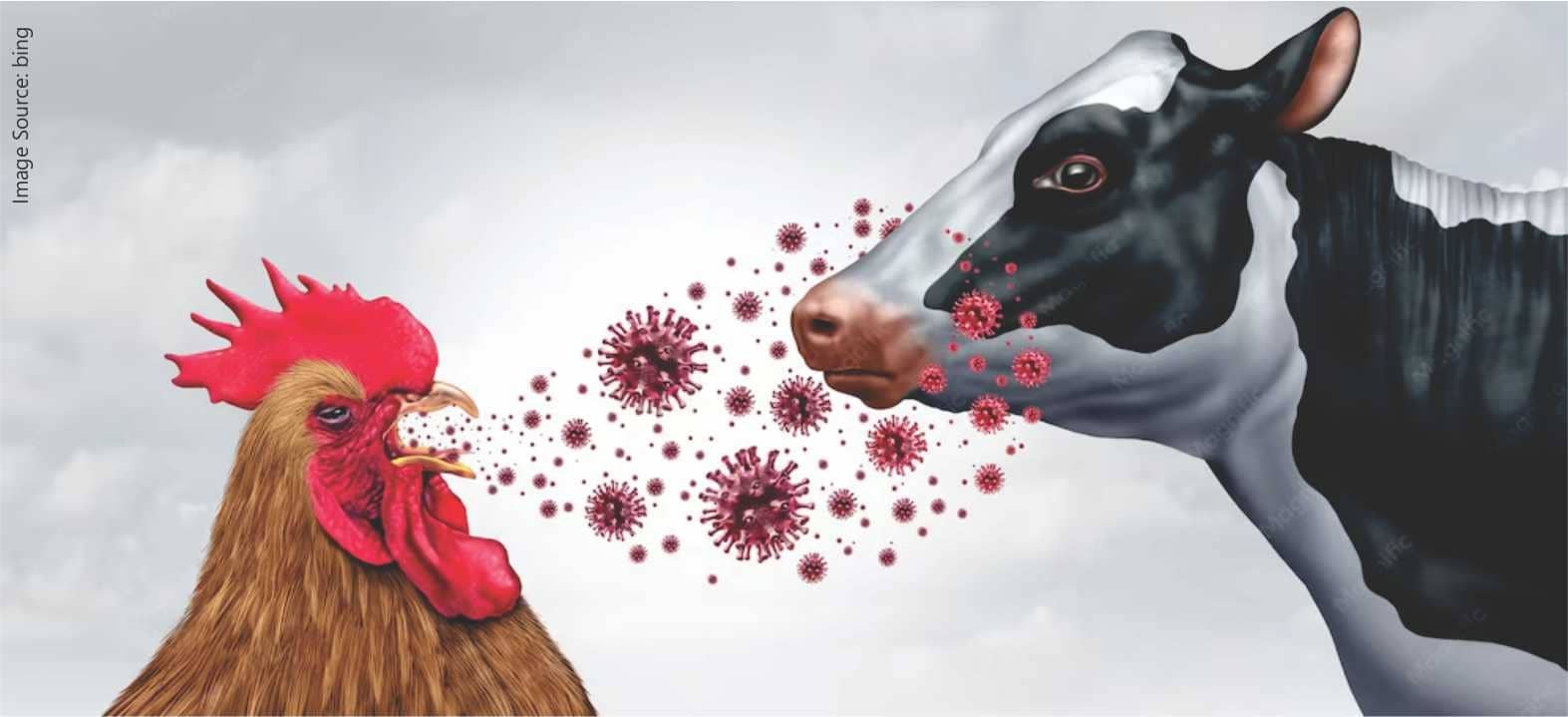
A new study has uncovered the biological mechanism behind the unusual way H5N1 bird flu affects dairy cattle, where it primarily infects the udder rather than the respiratory system. The findings, published in Science Advances by researchers from the University of Pittsburgh School of Public Health in collaboration with Harvard Medical School and other institutions, provide the first clear explanation for this atypical disease pattern observed since outbreaks began in U.S. dairy herds in 2024.
Unlike typical mammalian influenza infections that target the lungs, H5N1 in cattle was found to cause severe necrotizing mastitis, a painful and damaging inflammation of the mammary glands. The disease spread rapidly across herds in regions such as the Texas Panhandle, with infected animals shedding high levels of virus in milk, raising concerns about farm-level transmission and occupational exposure risks.
The research revealed that the virus’s ability to infect specific tissues depends on the presence of a particular class of receptors known as N-linked sialic acid glycans. Using advanced glycomics, binding studies and high-resolution imaging, scientists found that these receptors are largely absent in bovine respiratory tissues but highly concentrated in the udder, effectively making it the primary site of infection.
Experts noted that this tissue-specific receptor distribution explains why infected cows do not develop severe respiratory illness despite the presence of viral receptors in their airways. The study highlights how subtle differences in receptor biology can determine not only species susceptibility but also the organ systems affected.
Researchers emphasized that understanding these mechanisms could improve early detection of cross-species transmission risks. By mapping receptor patterns across different animals and tissues, scientists may be able to predict whether future infections will manifest as respiratory disease, mastitis, or even neurological disorders in other species.
The findings also reinforce public health guidance that pasteurization effectively eliminates the virus from milk, reducing risks associated with dairy consumption and underscoring the importance of avoiding raw milk.
Overall, the study provides a significant advance in understanding H5N1 behavior in mammals and offers a predictive framework for anticipating future spillover events across species.