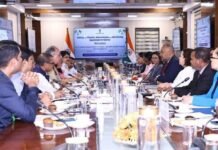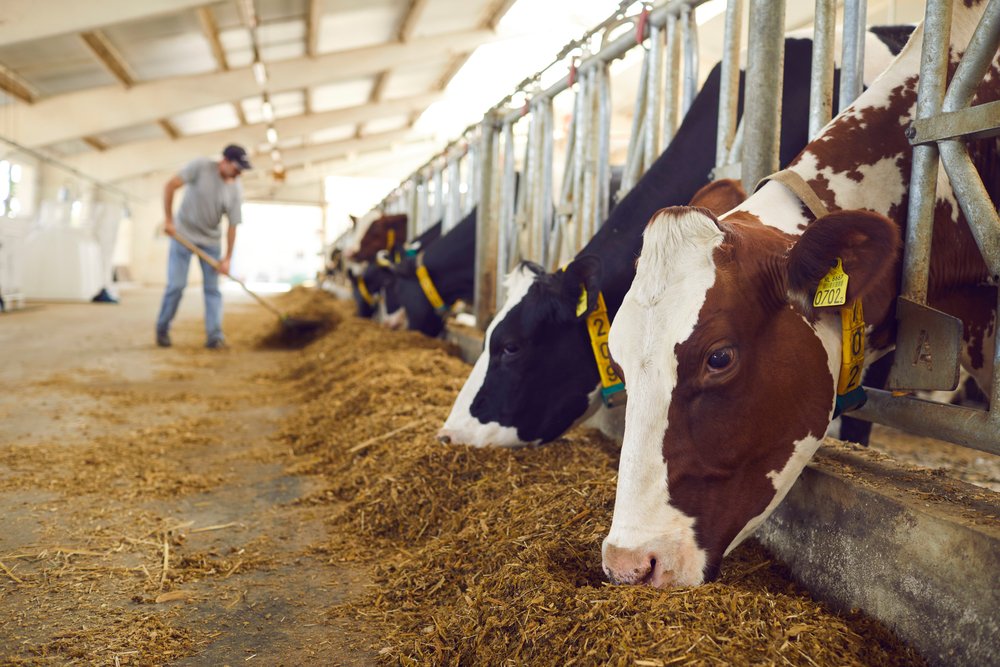
The International Livestock Research Institute (ILRI) and Innoterra Limited have launched a collaborative biotechnology initiative to convert underutilized crop residues into high-quality livestock feed, aiming to improve animal productivity, enhance farmer incomes and reduce agriculture’s environmental footprint.
The project will combine ILRI’s expertise in livestock nutrition with Innoterra’s feed manufacturing capabilities to develop scientifically validated feed solutions for dairy farmers. Research will be undertaken in collaboration with P.V. Narasimha Rao Telangana Veterinary University and Palamur Genetic Services to evaluate the nutritional value and field performance of upgraded feed materials.
The initiative focuses on enhancing the digestibility of crop residues through bio-fermentation using lactic acid bacteria, microalgae and molasses, along with thermo-chemical and anhydrous ammonia treatments. These technologies are expected to improve feed intake, nutrient utilization and animal productivity while lowering methane emissions from livestock.
Beyond technology development, the partners will undertake commercialization studies covering market potential, economic feasibility, farmer acceptance, willingness to pay and policy support. A structured validation process will ensure that the developed feed solutions are scientifically robust, locally relevant and economically viable.
According to ILRI, the collaboration seeks to create new value chains for crop residues, helping farmers derive greater value from agricultural by-products while contributing to climate-smart livestock production. Innoterra noted that the partnership reflects its commitment to translating research into practical, scalable solutions that benefit farmers, livestock health and the environment.
The initiative represents an important step towards sustainable livestock production by integrating biotechnology, scientific research and commercial innovation to improve feed security, reduce greenhouse gas emissions and strengthen the resilience of dairy farming systems.