India’s livestock sector continues to grapple with a persistent shortage of quality green fodder, a challenge that directly impacts animal productivity, milk yield, and overall farm profitability. Recent discussions among agricultural experts and researchers in Ludhiana have brought renewed focus to silage maize as a sustainable and scalable solution to bridge this gap. With increasing pressure on land resources and the growing demand for high-quality feed, the need for efficient, year-round fodder systems has become more critical than ever.
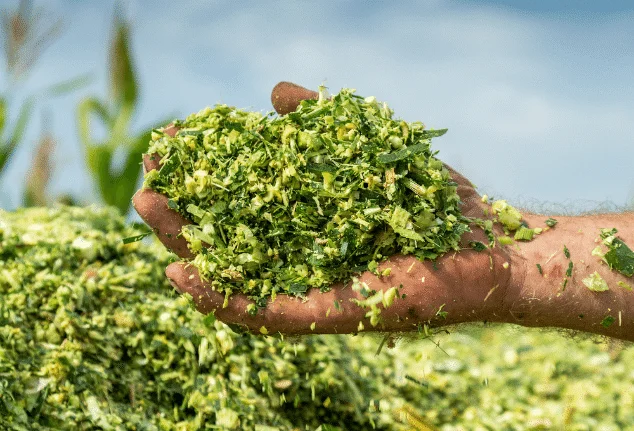
Silage maize, produced through the controlled fermentation of high-moisture maize harvested at the right stage, is gaining prominence as a reliable alternative to conventional fodder. Its ability to ensure consistent nutrient supply during lean periods, coupled with improved digestibility and energy availability, makes it particularly valuable for high-performing dairy and livestock systems. Moreover, its adaptability across diverse agro-climatic regions positions it as a climate-resilient feed option capable of stabilizing fodder availability in the face of seasonal and environmental variability.
Ongoing research and development efforts are focused on enhancing the potential of silage maize through the development of region-specific hybrids, improved agronomic practices, and the use of microbial inoculants to optimize fermentation and nutrient preservation. These advancements aim to maximize dry matter yield and nutritional efficiency, aligning fodder production more closely with the evolving demands of modern livestock farming.
Beyond on-farm benefits, silage maize is also reshaping the broader feed value chain. The emergence of organized production models—supported by farmer producer organizations (FPOs), dairy cooperatives, and agri-entrepreneurs—is enabling decentralized silage production and creating new income opportunities for farmers. This integrated approach not only strengthens the linkage between crop and livestock systems but also contributes to improved resource utilization and economic resilience in rural areas.
From a sustainability perspective, silage maize offers multiple advantages, including better land-use efficiency, reduced reliance on traditional fodder sources, and the potential to enhance soil health through improved crop rotations. Its shorter crop cycle and higher biomass output further contribute to improved economic returns, making it an attractive option for progressive farmers.
While the potential of silage maize is widely acknowledged, scaling its adoption will require continued policy support, targeted extension services, and increased awareness at the grassroots level. Capacity-building initiatives and field demonstrations will play a crucial role in driving acceptance and ensuring that farmers can fully leverage the benefits of this technology. As research and industry efforts converge, silage maize is poised to become a key pillar in strengthening India’s fodder security and advancing a more resilient and productive livestock sector.