Introduction
The poultry industry plays a crucial role in supplying affordable and high-quality animal protein worldwide. Historically, antibiotic growth promoters (AGPs) were widely incorporated into poultry diets to enhance feed efficiency, growth rate, and disease resistance. However, the emergence of antimicrobial-resistant bacteria and increasing public health concerns resulted in restrictions and bans on AGP use in several countries, particularly in the European Union since 2006 (Huyghebaert et al., 2011).
The withdrawal of AGPs created significant challenges for poultry producers, including increased incidence of enteric diseases, poor feed conversion efficiency, and higher mortality rates. Consequently, considerable attention has shifted toward alternative feed additives such as probiotics, prebiotics, phytogenics, enzymes, and organic acids.
Among organic acids, butyric acid has emerged as one of the most promising compounds because of its beneficial effects on intestinal health and bird performance. Butyrate serves as an important energy source for intestinal epithelial cells and contributes to maintaining gut integrity, microbial balance, and immune modulation.
Characteristics of Butyric Acid
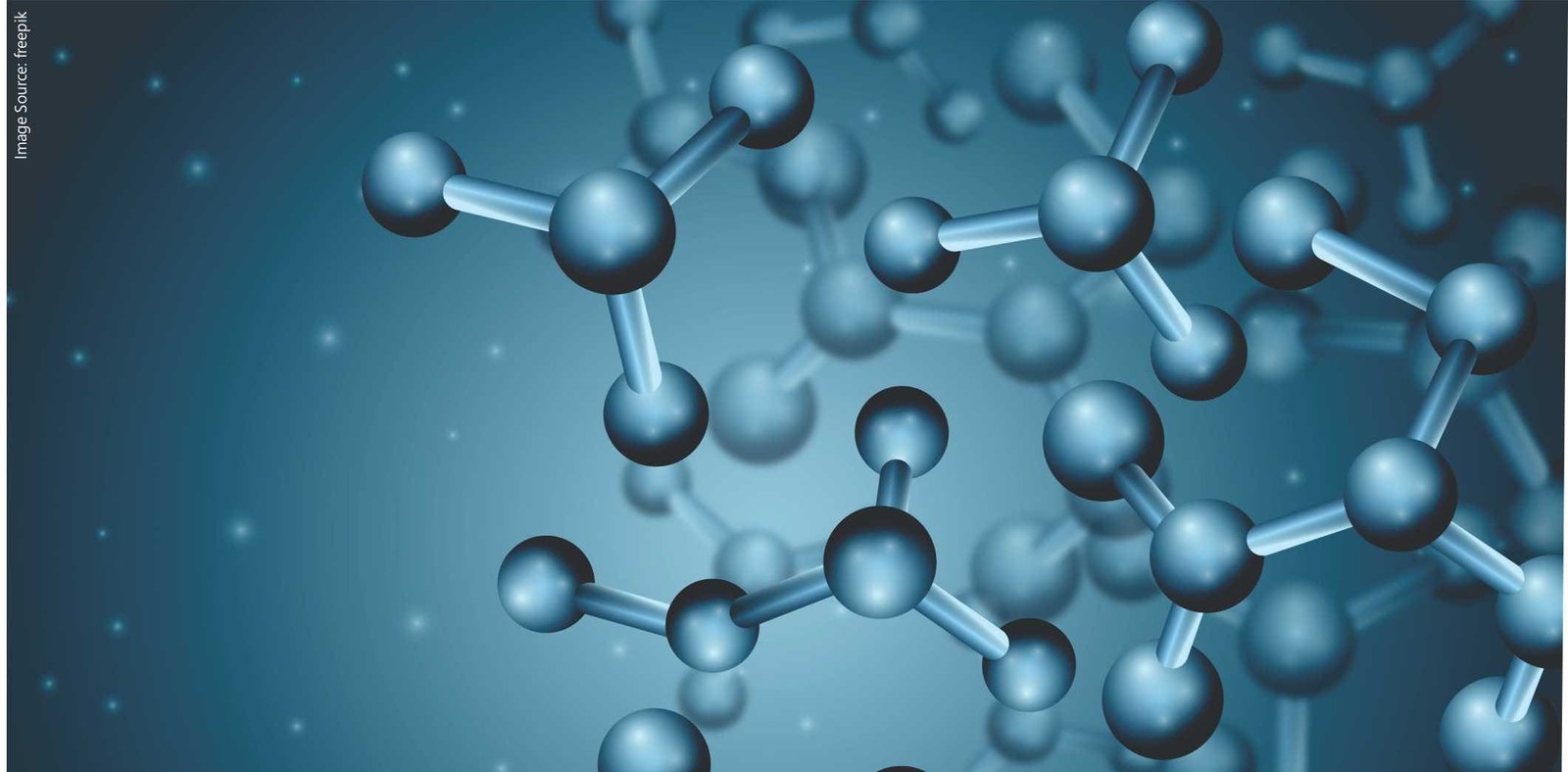
Butyric acid is a short-chain fatty acid (SCFA) naturally produced during microbial fermentation of dietary fiber within the gastrointestinal tract. Chemically, it is a four-carbon fatty acid with strong antimicrobial and acidifying properties.
The main physiological functions of butyric acid include:
- Reduction of intestinal pH
- Inhibition of pathogenic bacteria
- Enhancement of epithelial cell proliferation
- Improvement of intestinal villi structure
- Modulation of inflammatory responses
- Promotion of nutrient absorption
However, free butyric acid possesses a strong unpleasant odor and is highly corrosive, limiting its direct use in poultry diets.
Forms of Butyric Acid Used in Poultry Nutrition
Free Butyric Acid
Free butyric acid is rapidly absorbed in the upper gastrointestinal tract. Although biologically active, its practical use is limited because of:
- High volatility
- Corrosiveness
- Strong odor
- Poor handling characteristics
As a result, commercial poultry nutrition primarily utilizes more stable derivatives.
Sodium Butyrate
Sodium butyrate is the most commonly used salt form of butyric acid. It is more stable and easier to incorporate into feed than free butyric acid.
Benefits
- Improved growth performance
- Enhanced feed conversion ratio (FCR)
- Better intestinal morphology
- Reduced pathogenic bacterial load
Several studies have demonstrated that sodium butyrate supplementation improves villus height and crypt depth in broilers, thereby increasing absorptive surface area (Leeson et al., 2005).
However, unprotected sodium butyrate may be absorbed prematurely in the upper digestive tract, limiting its effects in the distal intestine.
Coated Sodium Butyrate
To overcome premature absorption, coated sodium butyrate products were developed. Fat or matrix coatings protect the active ingredient and allow gradual release throughout the intestinal tract.
Advantages
- Controlled intestinal delivery
- Greater efficacy in lower gut
- Improved pathogen control
- Better intestinal integrity
- Coated sodium butyrate has shown positive effects against enteric pathogens including:
- Salmonellosis
- Colibacillosis
- Necrotic enteritis
Fernandez-Rubio et al. (2009) reported significant reductions in Salmonella colonization in broilers receiving coated sodium butyrate supplementation.
Butyric Acid Glycerides
Butyric acid glycerides are esterified forms containing mono-, di-, or triglycerides of butyric acid. These forms exhibit:
- Improved stability
- Better palatability
- Slow enzymatic release
- Enhanced bioavailability
Because glycerides resist rapid dissociation in the upper gut, they can deliver butyrate effectively throughout the intestine.
Research indicates that butyrate glycerides may provide superior improvements in intestinal morphology and nutrient digestibility compared to non-protected forms.
Effects on Gastrointestinal Health
The intestinal tract is the primary target of butyric acid supplementation.
Improvement of Intestinal Morphology
Butyrate stimulates proliferation and differentiation of enterocytes, resulting in:
- Increased villus height
- Improved villus-to-crypt ratio
- Enhanced mucosal integrity
Improved intestinal morphology directly enhances nutrient absorption and feed efficiency.
Modulation of Gut Microbiota
Butyric acid suppresses pathogenic bacteria by:
- Lowering intestinal pH
- Penetrating bacterial cell membranes
- Disrupting intracellular metabolism
Beneficial bacteria such as Lactobacillus spp. often increase in response to butyrate supplementation, contributing to improved microbial balance.
Anti-inflammatory Effects
Butyrate also exerts immunomodulatory functions by reducing inflammatory cytokine production and strengthening intestinal barrier function. These properties are particularly beneficial under stress conditions and enteric disease challenges.
Effects on Nutrient Digestibility
Numerous studies have shown improvements in:
- Crude protein digestibility
- Fat utilization
- Apparent metabolizable energy (AME)
Improved digestion may result from:
- Increased pancreatic enzyme secretion
- Enhanced absorptive surface area
- Better gut barrier function
Consequently, birds often exhibit improved feed conversion and body weight gain.
Effects on Growth Performance
Many researchers reported positive effects of butyric acid supplementation on:
- Body weight gain
- Feed conversion ratio
- Livability
The benefits are particularly evident under:
- High stocking density
- Heat stress
- Enteric disease pressure
- Antibiotic-free production systems
Nevertheless, responses vary depending on:
- Product form
- Inclusion level
- Coating technology
- Diet composition
- Farm management conditions
Role in Disease Prevention
Butyrate supplementation has been associated with reduced incidence and severity of several poultry diseases.
Particularly important is its role in controlling:
- Necrotic enteritis
- Salmonellosis
- Colibacillosis
The compound supports gut integrity, thereby reducing bacterial translocation and secondary infections.
Practical Applications in Poultry Production
Commercially, butyrate products are increasingly incorporated into:
- Broiler diets
- Breeder diets
- Layer feeds
- Antibiotic-free programs
Butyrate is frequently combined with:
- Probiotics
- Organic acid blends
- Essential oils
- Enzymes
Such combinations may provide synergistic improvements in gut health and production efficiency.
Limitations and Challenges
- Despite promising results, several limitations remain:
- Variability among commercial products
- Differences in coating technologies
- Inconsistent responses under field conditions
- Cost considerations
Further research is required to optimize dosage strategies and identify the most effective combinations with other feed additives.
Conclusion
Butyric acid and its derivatives represent effective alternatives to antibiotic growth promoters in modern poultry nutrition. Their beneficial effects on intestinal health, microbial balance, nutrient digestibility, immune modulation, and production performance make them valuable tools in antibiotic-free poultry production systems.
Among available forms, coated sodium butyrate and butyric acid glycerides appear particularly effective because of their improved stability and targeted intestinal release.
Continued research and technological advancements are expected to further refine their application and maximize their benefits under commercial poultry production conditions.
By Dr Subhasish Ray, Poultry Nutritionist, Odisha