The 12th Maize Summit organised by Federation of Indian Chambers of Commerce and Industry at FICCI House on 15 May 2026 brought together policymakers, industry leaders, researchers and trade representatives to discuss the future of India’s maize sector amid rising global uncertainty.
With geopolitical tensions increasing fuel and freight costs and impacting fertiliser availability, the summit highlighted maize as a strategic crop positioned at the intersection of animal feed, food processing, industrial starch and ethanol production. Discussions centred on improving productivity, strengthening market infrastructure, enhancing quality standards and balancing feed and fuel demands.
Policy and Market Outlook
During the inaugural session, Dr P.K. Singh stressed the need to align maize policy with national priorities related to food security, energy diversification and farmer welfare. He emphasised that maize should be viewed not merely as a commodity, but as strategic infrastructure capable of supporting feed security and ethanol expansion simultaneously.
Siraj Hussain presented a market outlook highlighting volatility in global corn markets due to fluctuations in supply-demand dynamics, fertiliser prices and freight costs. He noted that futures markets can help stabilise prices only when liquidity and industry participation improve significantly.
A major development at the summit was the announcement of a collaborative MoU between FICCI and the Indian Institute of Maize Research aimed at strengthening research-industry linkages in areas such as hybrid development, post-harvest management and aflatoxin control.
Focus on Quality, Storage and Market Transparency
Technical discussions featuring representatives from CLFMA of India, Roquette, Godrej Agrovet and other stakeholders focused heavily on quality differentiation and supply chain inefficiencies.
Speakers noted that processors and feed manufacturers increasingly prefer low-moisture, contamination-free maize and are willing to pay premiums for quality grain. However, fragmented procurement systems, inconsistent grading practices and inadequate storage infrastructure continue to create major challenges.
The summit also highlighted the impact of regional harvesting patterns, which often lead to seasonal oversupply followed by shortages, contributing to price volatility and quality deterioration.
Futures Trading and Risk Management
A recurring theme throughout the conference was the need to strengthen maize futures trading platforms such as National Commodity & Derivatives Exchange Limited (NCDEX).
Industry leaders recommended greater coordination among feed, starch and poultry associations to increase hedging participation and improve market liquidity. Participants also called for futures contracts that better reflect commercial realities, particularly regarding delivery centres and quality specifications.
Speakers agreed that without deeper commercial participation, maize futures markets would remain underutilised as effective risk management tools for processors and feed manufacturers.
Ethanol Expansion and Feed Security
One of the most significant discussions revolved around the growing role of maize in India’s ethanol blending programme.
Participants acknowledged that maize offers advantages over paddy-based ethanol because of lower water requirements. However, concerns were raised about the potential impact of large-scale ethanol diversion on feed availability and livestock production costs.
The summit recommended a calibrated and region-specific ethanol expansion strategy supported by productivity improvements, feed security safeguards and water resource assessments.
Aflatoxin Remains a Major Export Barrier
Aflatoxin contamination was identified as one of the biggest constraints limiting India’s maize export potential.
Experts stressed the need for stronger interventions across the value chain, including:
- Improved agronomic practices and timely harvesting
- Affordable drying and moisture management technologies
- Rapid testing infrastructure and traceable aggregation systems
- Financial incentives for low-aflatoxin maize deliveries
Industry representatives also highlighted opportunities for value addition through maize straw densification and pellet production for the fodder sector.
Bridging the Productivity Gap
The summit underscored India’s relatively low maize productivity compared with leading global producers. Discussions focused on accelerating the adoption of:
- Improved hybrid seeds
- Precision nutrient management
- Mechanisation
- Integrated pest management practices
The role of biotechnology and GM traits also emerged during discussions. While acknowledging the sensitivity of the issue, panelists advocated for transparent, science-based field evaluations under proper regulatory oversight.
Key Recommendations
The conference concluded with several recommendations for industry and policymakers:
- Develop harmonised national maize quality standards
- Improve warehousing and inventory financing systems
- Strengthen aflatoxin mitigation programmes
- Enhance digital farmer advisory services
- Provide regulatory clarity for contract farming and biotechnology trials
- Align ethanol policies with long-term feed security goals
Conclusion
The FICCI 12th Maize Summit reinforced the importance of maize as a strategic crop for India’s food, feed and fuel economy. The event highlighted that coordinated action among industry, researchers and policymakers will be essential to improve productivity, stabilise markets and strengthen supply chain resilience.
With appropriate investments in quality systems, storage infrastructure, research and market reforms, India’s maize sector has the potential to evolve into a robust and sustainable value chain capable of supporting both domestic demand and export opportunities.
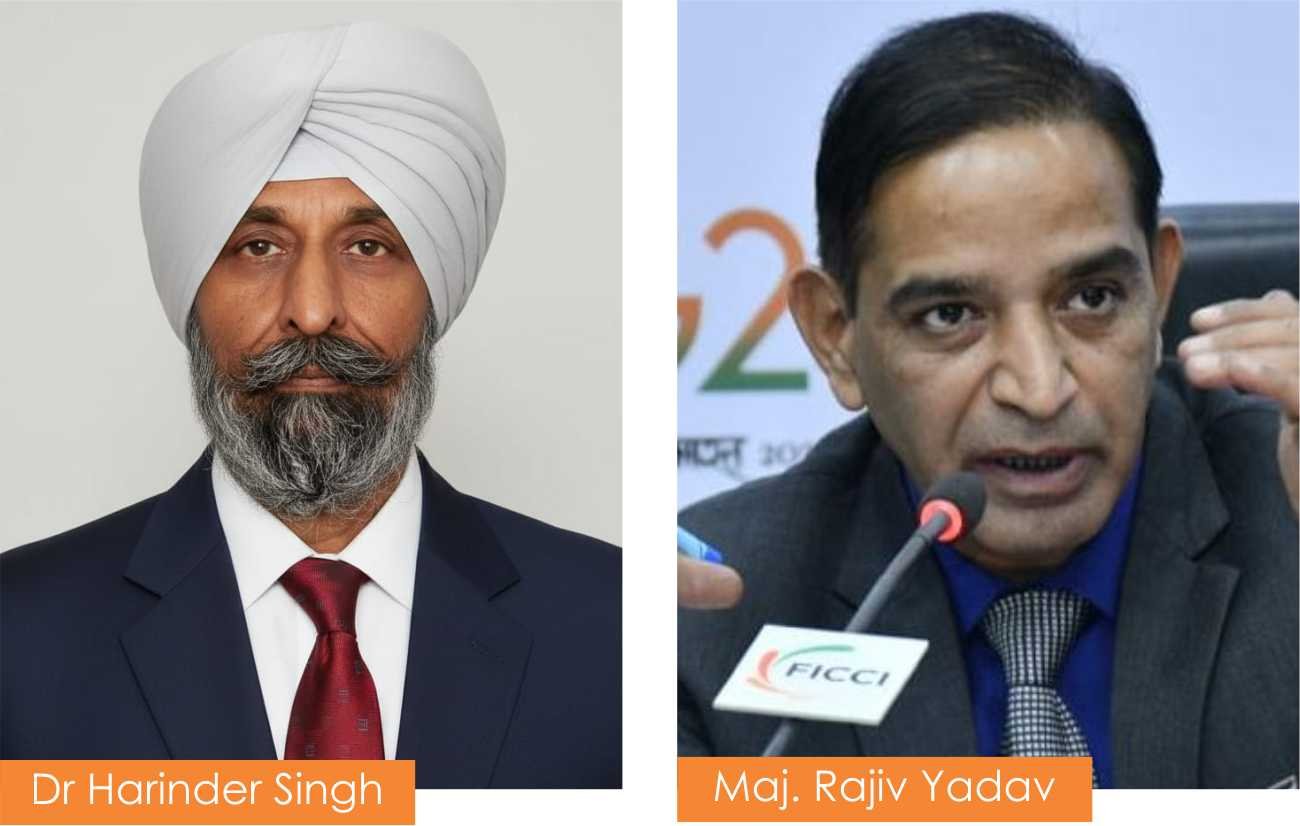
By Dr Harinder Singh, Excellent Enterprises and Maj. Rajiv Yadav, SM (Gallantry)