The Bureau of Indian Standards (BIS) has released IS 19562:2026 — “Maize or Corn Silage as Livestock Fodder — Specification”, marking a significant step toward standardizing silage quality for the Indian livestock sector. Developed by the Animal Feeds and Nutrition Sectional Committee (FAD 05), the standard aims to improve fodder conservation, nutritional consistency, and feed safety for dairy and ruminant production systems.
Importance of Silage in Livestock Feeding
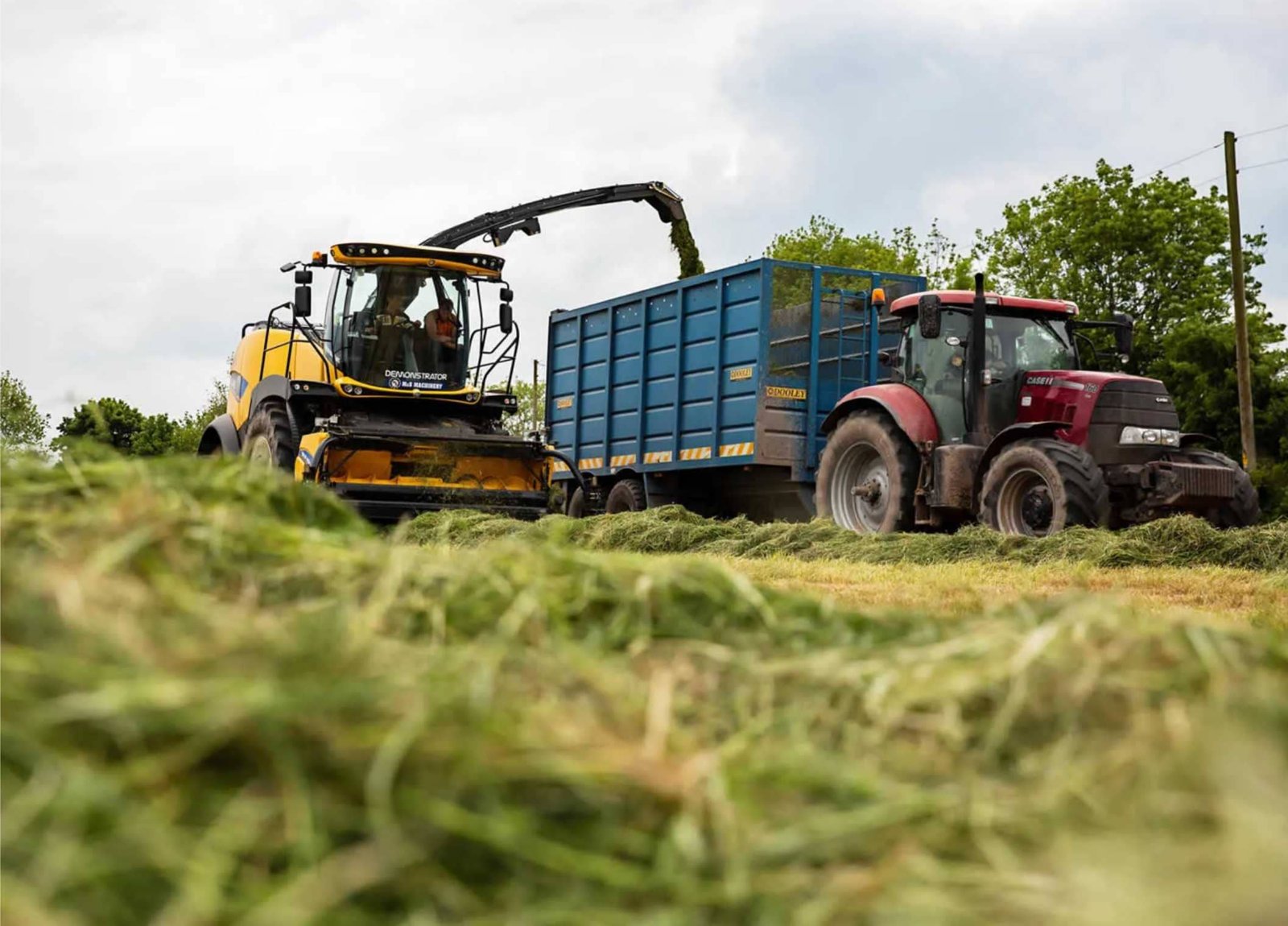
Green fodder remains one of the most economical nutrient sources for dairy animals. However, seasonal availability and climatic variations often create shortages. Silage — preserved green fodder fermented under anaerobic conditions — addresses this challenge by ensuring year-round availability of quality feed.
The standard highlights maize as one of the most suitable crops for silage production because of its high soluble carbohydrate content, which supports efficient fermentation. Proper silage feeding improves nutrient intake, milk production, and overall livestock productivity while reducing seasonal fluctuations.
Scope of the Standard
- IS 19562:2026 specifically prescribes:
- Requirements for maize or corn silage used for ruminant animals
- Sampling procedures
- Testing methods
- Packaging and marking requirements
The standard defines silage as conserved green fodder with moisture content ranging from 62–70%, prepared by anaerobic fermentation for about 45–50 days.
Key Quality Specifications
- The standard provides clear quality parameters for maize silage:
- Additionally, good quality silage should:
- Have a light green to yellowish colour
- Possess a pleasant fruity aroma
- Be free from mould, rancidity, dirt, metallic contamination, and objectionable odour
Sampling and Testing Procedures
The standard outlines detailed methods for:
- Sampling silage from bags, bales, and silo pits
- Moisture estimation
- pH determination
- Laboratory analysis
For silo pits, samples should ideally be collected six weeks after ensiling from multiple locations and depths to ensure representative testing. Proper airtight packing and rapid transport to laboratories are emphasized to prevent aerobic spoilage and inaccurate analysis.
The moisture determination method also recognizes volatile losses during silage drying and includes correction factors for accurate dry matter estimation.
Packaging and Marking
- Silage may be packed in:
- Poly-film wrapped bales
- Airtight HDPE or polypropylene bags
- Silo pits
Mandatory labelling requirements include:
- Product name
- Manufacturer details
- Batch number
- Net weight
- Date of packing
- Best-before declaration
- Compliance with Legal Metrology Rules
Products complying with the standard may also carry the BIS certification mark under applicable conformity assessment schemes.
Significance for the Industry
The introduction of IS 19562:2026 is expected to benefit:
- Dairy farmers
- Feed manufacturers
- Silage producers
- Nutritionists
- Livestock researchers
By defining measurable quality benchmarks, the standard can help improve silage consistency, reduce spoilage losses, and enhance feed efficiency. It also supports the growing adoption of scientific fodder conservation practices across India.
Importantly, inclusion of limits for contaminants such as aflatoxin B1 reflects increasing emphasis on feed safety and animal health.
Collaborative Development
The standard was formulated with contributions from a wide range of stakeholders including: ICAR institutes, Veterinary universities, NDDB, Poultry and feed industry associations, FSSAI, Animal nutrition experts and Government departments.
This collaborative approach ensures the standard remains scientifically robust while also practical for field-level adoption.
Moving Toward Quality Fodder Systems
As India’s dairy and livestock sectors continue to modernize, standardized silage production will play a crucial role in ensuring nutritional security, improving milk productivity, and supporting sustainable livestock farming.
IS 19562:2026 provides a much-needed scientific framework for the production, handling, testing, and quality assurance of maize silage — helping bridge the gap between fodder availability and nutritional efficiency in the livestock sector.