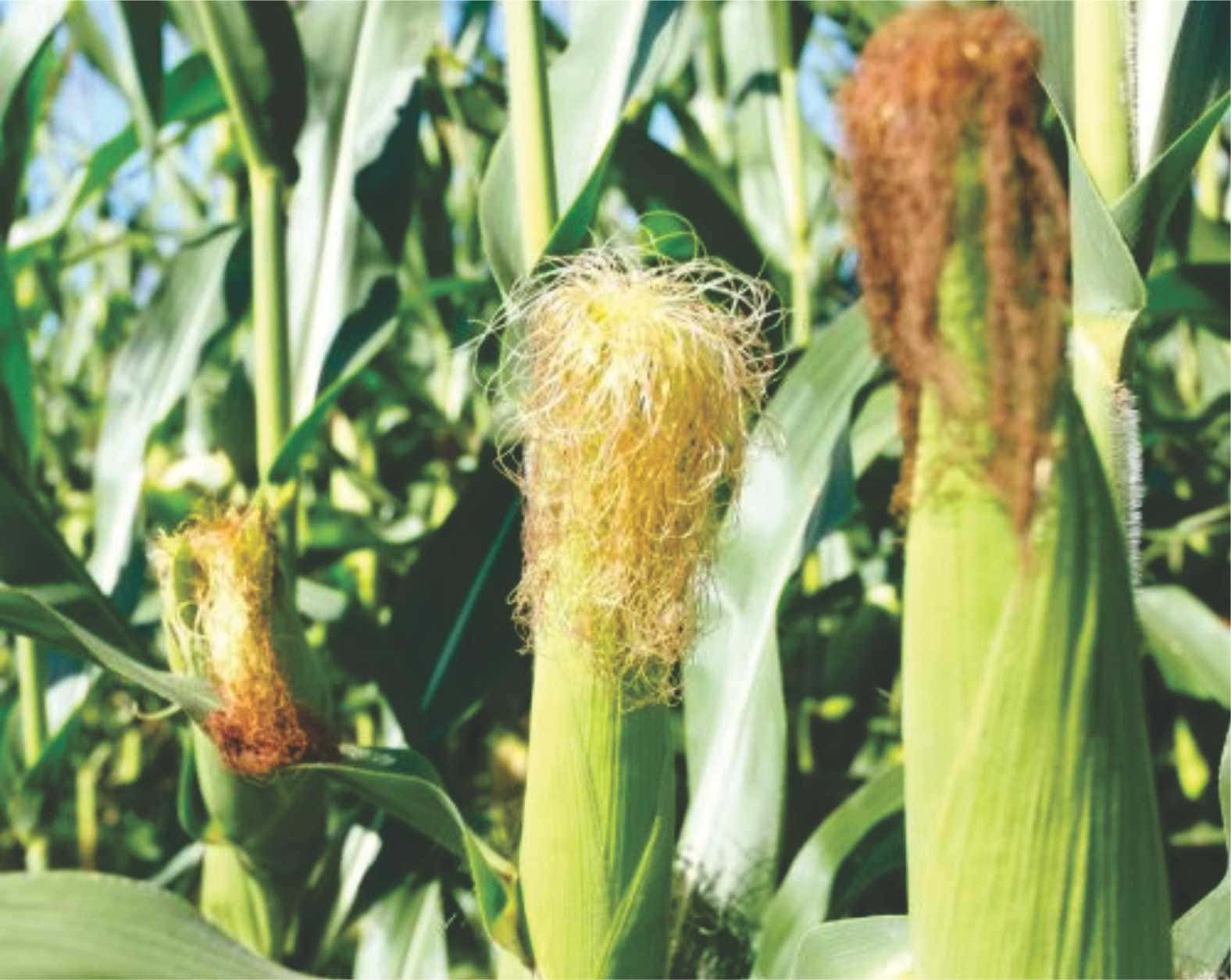
Punjab Agricultural University (PAU) has introduced a new dual-purpose hybrid maize variety, PMH 17, aimed at promoting crop diversification and reducing groundwater consumption in the state. The initiative supports government efforts to encourage farmers to shift from water-intensive paddy cultivation to more sustainable alternatives during the kharif season.
PMH 17 has been developed as a high-yielding, dual-purpose hybrid suitable for both grain production and silage use, addressing rising demand from Punjab’s rapidly expanding dairy sector. The variety matures in around 96 days and can yield approximately 25 quintals per acre under recommended agronomic practices. It is adaptable to diverse soil conditions and has been recommended for cultivation across Punjab.
Agriculture experts highlight that while Punjab officially recommends maize on about 2.5 lakh acres during kharif, a much larger area of 6–7 lakh acres is currently under summer maize cultivation, largely driven by silage demand. However, this off-season cultivation places additional pressure on already stressed groundwater reserves.
PAU scientists estimate that paddy requires around 125–140 cm of water per season, whereas maize needs only 30–40 cm, making PMH 17 a significantly more water-efficient alternative. The university expects the new hybrid to encourage a shift toward kharif maize cultivation, where rainfall can supplement irrigation needs and reduce groundwater extraction.
The hybrid is characterised by tall, vigorous plants, broad leaves and long cobs with high starch content of over 65%, enhancing its value for both feed and industrial applications, including ethanol production. Its strong biomass output also makes it particularly suitable for high-quality silage production.
Farmers are advised to adopt recommended agronomic practices, including timely sowing by June 20 and bed planting using pneumatic planters to improve drainage and reduce risks of lodging and waterlogging during heavy monsoon periods.
By combining improved productivity with lower water requirements, PMH 17 is positioned as a strategic intervention to support sustainable agriculture, strengthen the dairy feed ecosystem and advance crop diversification in Punjab.