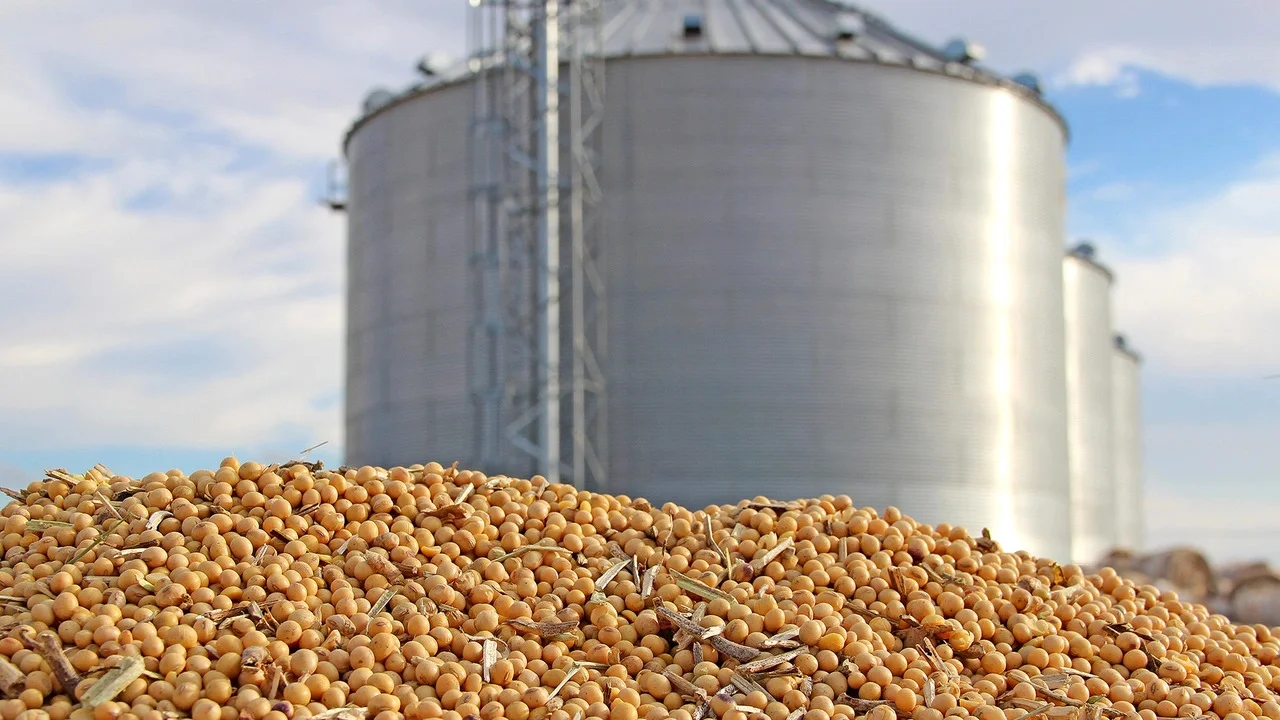
China continues to be the most important and irreplaceable market for US soybeans, according to Jim Sutter, CEO of the US Soybean Export Council (USSEC). He emphasized that China has been the largest export destination for US soybeans for decades, often accounting for nearly half of total US soybean exports and generating billions of dollars in revenue for American farmers and related industries.
In the 2024/25 market year, the US shipped 22.6 million metric tons of soybeans to China. Sutter said he is cautiously optimistic that exports will remain in the mid-20-million-metric-ton range annually due to the strong complementarity between the two economies. China relies heavily on imported soybeans to support its livestock, aquaculture, and food sectors, while US farmers depend on China as a stable and large-scale buyer. This mutually beneficial relationship supports jobs across farming, transportation, and export supply chains in the US, while helping ensure food and feed security in China.
Recent improvements in US-China trade relations have contributed to greater stability. China-US trade exceeded 4 trillion yuan ($573 billion) in 2025, reflecting steady economic engagement. Sutter noted that stable and predictable trade conditions are essential, as tariffs and policy uncertainty in the past led to sharp declines in US soybean exports and created planning challenges for farmers and exporters.
China has also fulfilled significant purchase commitments, including a 12-million-metric-ton agreement, helping restore confidence among US exporters. High-level bilateral discussions have kept agricultural trade on the agenda, contributing to optimism in the soybean sector. US soybeans remain valued by Chinese buyers for their quality and reliability, and increasing global demand for protein and vegetable oil is expected to support future growth.
However, China is diversifying its soybean imports to reduce risks from trade disruptions. Domestic production meets only about 20 percent of China’s soybean demand, ensuring continued reliance on imports. Brazil has surpassed the US as China’s largest soybean supplier due to increased production and strong trade ties.
Experts say stable, rules-based trade relations are essential for long-term benefits. Reducing trade barriers and maintaining cooperation will help secure reliable supply chains, support farmers’ incomes, and strengthen economic ties between the two countries.