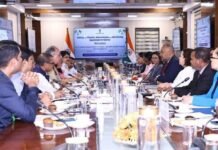
Guru Angad Dev Veterinary and Animal Sciences University (GADVASU) has partnered with the National Institute of Technology (NIT), Rourkela to develop advanced technology capable of predicting livestock illness before visible symptoms emerge. The collaboration is part of a large research initiative supported by the Partnerships for Accelerated Innovation and Research (PAIR) programme of the Anusandhan National Research Foundation (ANRF), under which more than INR 90 crore has been sanctioned.
According to the university, the project aims to strengthen early-warning systems for livestock health, enabling farmers to take preventive measures in advance, thereby reducing economic losses and improving animal welfare. GADVASU will receive INR 4.08 crore from the total INR 90.53 crore PAIR–ANRF outlay.
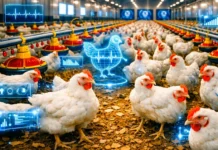
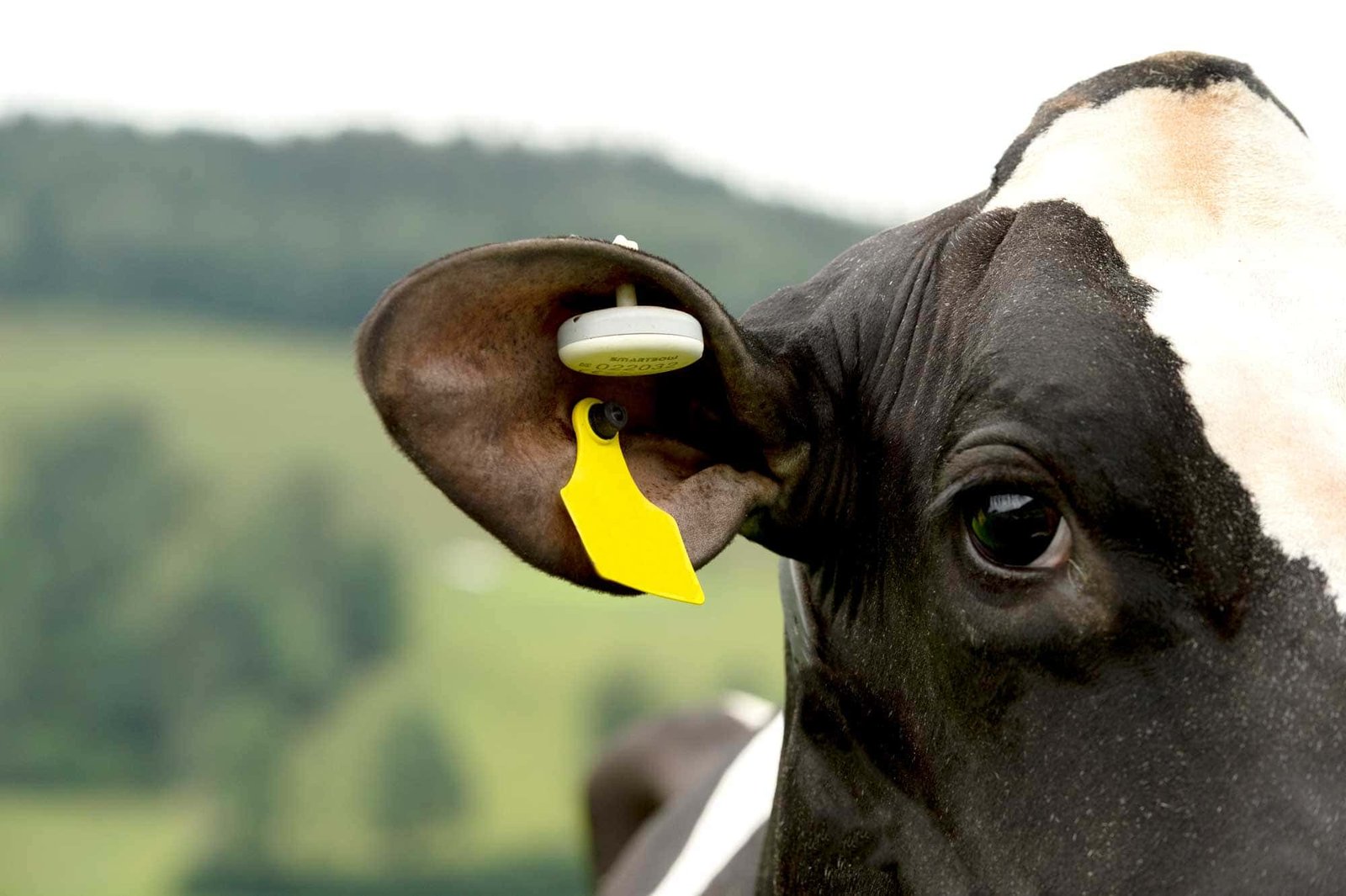
Principal investigator Devendra Pathak said the research spans three major areas, with a key focus on machine learning–enabled systems for monitoring livestock health, optimising production, and improving sustainability. Under this component, NIT Rourkela will design wearable devices such as electronic tags that can be attached to animals to record behavioural and physiological parameters. GADVASU will provide extensive livestock data to help develop artificial intelligence algorithms capable of analysing movement patterns, rumination duration and other indicators. The system is designed to generate alerts before physical signs of disease appear, allowing timely intervention.
The broader project also includes research on improving protein functional properties using non-thermal techniques for novel food products, as well as the development of biodegradable biomaterials for healthcare applications, aligning with sustainability goals.
The initiative will operate through a hub-and-spoke model, with NIT Rourkela as the hub and several universities in Odisha participating as partners. GADVASU officials said the grant marks a major milestone in strengthening the university’s translational research capabilities and contribution to national development in animal health, food innovation and sustainable technologies.