India’s seafood sector has been hit hard by the recent US decision to impose a 50% tariff on Indian exports, citing trade imbalances and Russian energy imports. This move, combined with existing anti-dumping (3.96%) and countervailing duties (5.76%), has raised total effective duties to nearly 60%, making shipments to the US — India’s largest seafood market — increasingly unviable.
The US accounts for one-third of India’s $7.45 billion seafood exports, valued at $2.71 billion in FY 2024–25. Early signs of stress include declining shipments, closed processing units in Andhra Pradesh, and a 30–35% drop in September exports. Experts warn that India could face a 20% fall in overall seafood exports in FY26, affecting millions of livelihoods.
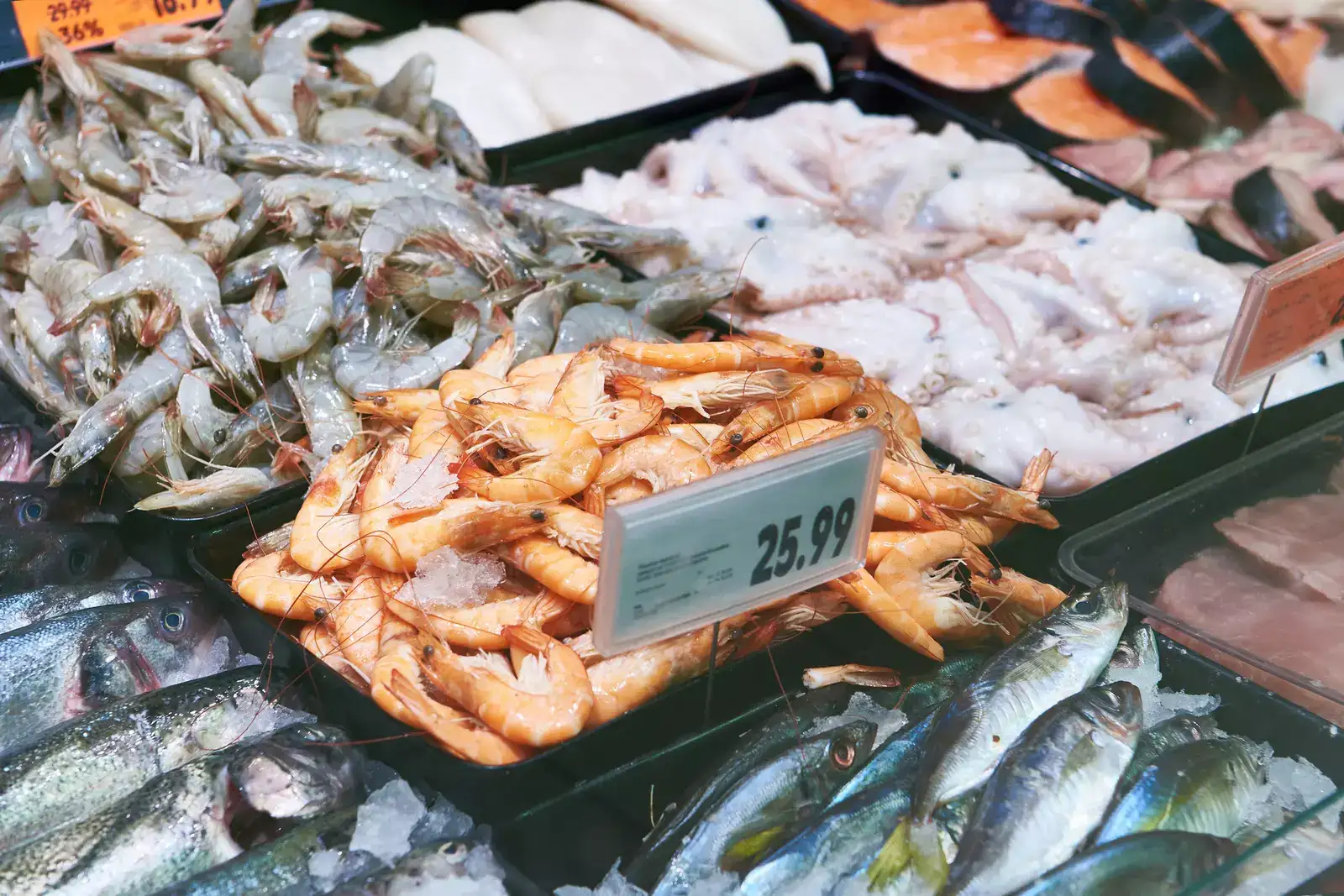
Industry leaders urge urgent market diversification toward Europe, Russia, Japan, and Southeast Asia, but note that compliance standards, species-specific demand, and long certification timelines make this shift slow and costly. Shrimp — which makes up 70% of India’s seafood exports — poses a particular challenge, as 40% of these shipments historically went to the US.
Exporters are also facing severe working capital shortages as inventories pile up, banks tighten lending, and interest costs surge. Many are seeking soft loans, interest subsidies, and moratoriums similar to pandemic-era relief.
Government officials have initiated consultations with banks and exporters to mitigate financial distress and promote new trade routes. However, industry observers warn that the combined pressures of tariffs, liquidity constraints, and compliance challenges could permanently alter India’s seafood export landscape unless swift, coordinated action is taken.