Many layer farms experience a familiar pattern during monsoon: feed intake becomes inconsistent, droppings become wetter, egg production and persistency of lay may decline earlier than expected, shell quality weakens, and flock uniformity starts to drift. While these issues are often attributed to weather, disease pressure, or management challenges, the common denominator is usually a compromised gastrointestinal tract.
 For commercial layers, where productivity must be sustained for 100 weeks or longer, maintaining gut integrity is not merely a health objective, it is an economic necessity.
Why Monsoon Increases the Risk of Gut Dysfunction
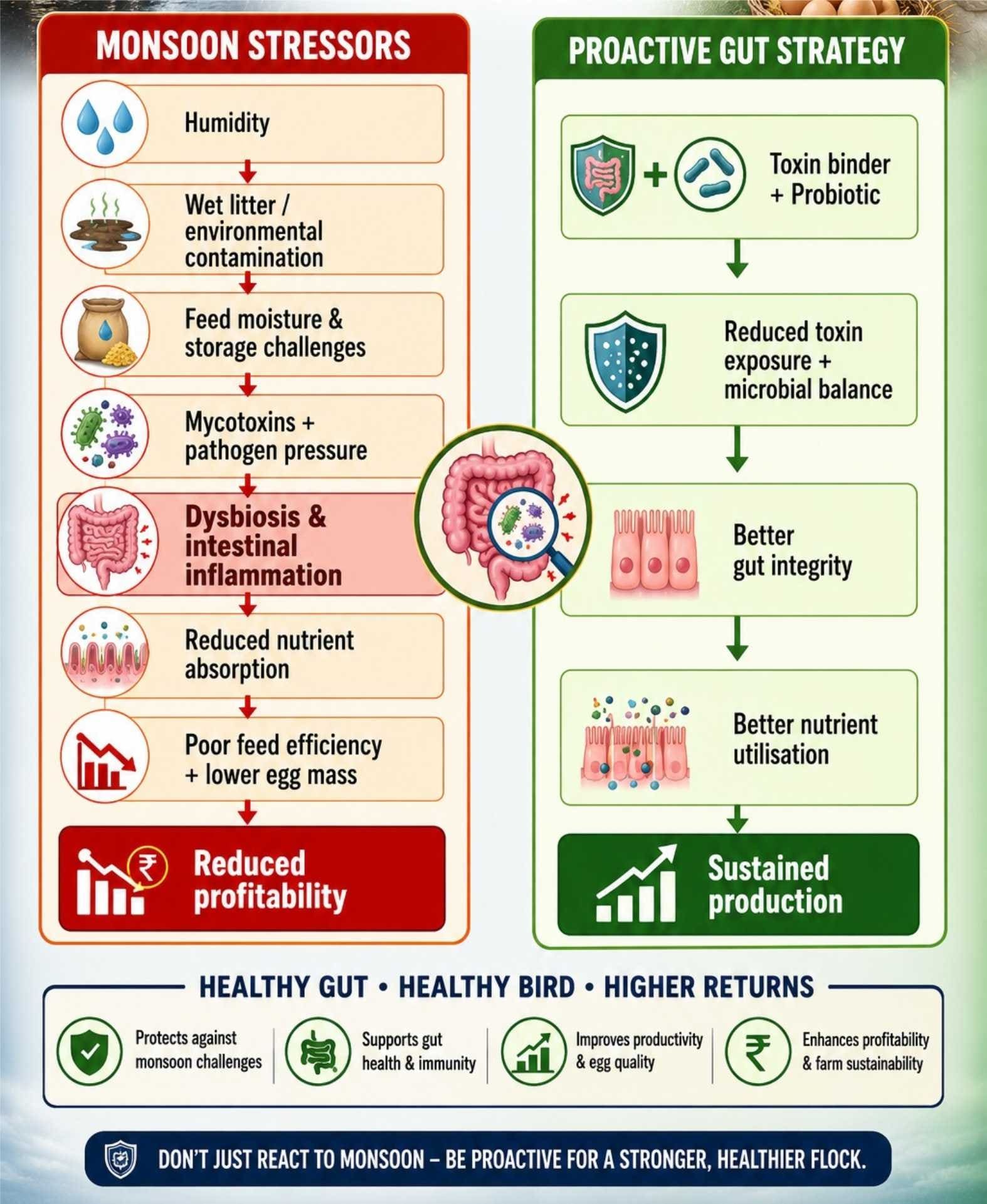
Monsoon places multiple stressors on the bird simultaneously. Elevated humidity, fluctuating temperatures, wet litter conditions, contaminated water sources, mold-prone feed ingredients, and increased pathogen load all converge on the intestine.
Unlike acute disease outbreaks that are easy to identify, monsoon-associated gut challenges are often subclinical. Birds continue to eat and produce, but not at their genetic potential.
The first signs are usually subtle:
- Reduced feed efficiency
- Declining egg mass
- Increased egg breakage
- Poor shell quality
- Higher flock variation
- Reduced persistency of lay
- Increased reliance on therapeutic interventions
In most cases, the intestine is already under significant stress before these production losses become visible.
Dysbiosis: The Hidden Cost of Monsoon Stress
A healthy layer gut exists in a state known as eubiosis, where beneficial microorganisms help digest nutrients, produce valuable metabolites, support immunity, and protect the intestinal barrier.
During monsoon, environmental and nutritional stressors disrupt this microbial equilibrium, leading to dysbiosis. The population of beneficial bacteria declines while opportunistic pathogens gain an advantage. This shift triggers inflammation, compromises nutrient absorption, and reduces digestive efficiency.
From a nutritionist’s perspective, dysbiosis creates a costly paradox: nutrient specifications may be correct on paper, but the bird’s ability to digest and utilise those nutrients efficiently is significantly reduced.
As inflammation increases, more energy is diverted toward immune responses and tissue repair, leaving less energy available for egg production and maintenance.
Feed-Borne Toxins: The Mycotoxin Challenge
The monsoon season also creates ideal conditions for mold growth and mycotoxin production within feed ingredients and finished feed.
During the monsoon and post-monsoon seasons, feed ingredients show seasonal spikes in mycotoxin contamination, with substantially higher average and peak levels. Contamination is not limited to aflatoxins alone; the prevalence of emerging and masked mycotoxins has also increased over the years, making the overall mycotoxin challenge more complex. In addition, the increased prevalence of multiple mycotoxins in feed can exert synergistic effects, negatively affecting bird health, gut integrity, immunity, and overall production performance.
Maize, rice bran, DDGS, and other hygroscopic raw materials readily absorb atmospheric moisture. Under such conditions, fungi belonging to Aspergillus, Penicillium, and Fusarium genera proliferate rapidly and can produce a range of mycotoxins including aflatoxins, deoxynivalenol (DON), fumonisins, ochratoxin A, T-2 toxin, and zearalenone.
Pesticide Residues: An Additional Feed-Safety Concern
Feed ingredients may also carry pesticide residues. Pesticides can enter the feed chain at multiple stages, including crop cultivation, harvesting, storage, transportation, and handling. Residues from field application may persist in grains and oilseeds, while additional contamination can occur during post-harvest storage through insecticides and fumigants used to protect stored grains from insects and spoilage. Cross-contamination may also occur when raw materials come in contact with treated commodities, contaminated containers, or pesticide-treated storage facilities. As a result, pesticide residues may enter poultry feed before it reaches the farm, posing a potential risk to bird health, gut integrity, and production performance
The challenge is that mycotoxins rarely produce dramatic clinical signs in commercial layers. Instead, they induce chronic, subclinical damage that gradually erodes performance.
Research shows that mycotoxins can:
- Damage intestinal villi
- Reduce digestive enzyme secretion
- Suppress immune responses
- Impair nutrient absorption
- Increase oxidative stress
- Compromise intestinal barrier function
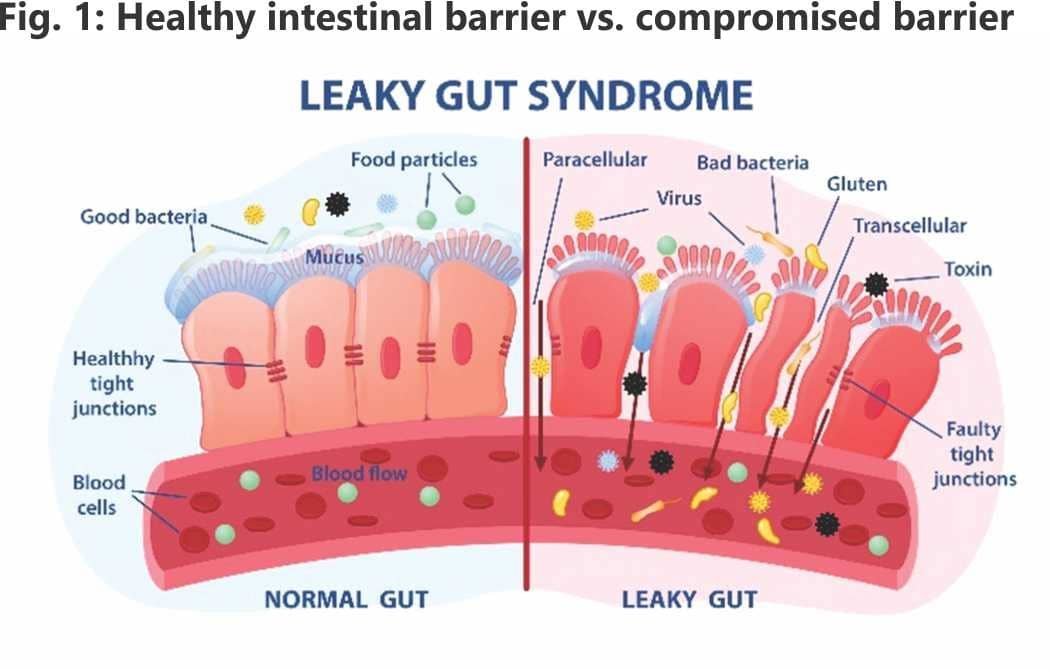 Particularly concerning is the effect of toxins on tight junction proteins such as claudins and occludins. Damage to these structures increases intestinal permeability, creating what is commonly referred to as a “leaky gut.”
Once this barrier is compromised, bacterial toxins, inflammatory molecules, and undigested feed particles can enter systemic circulation, triggering a chronic inflammatory state that negatively affects production and immune competence.
Probiotics: Supporting Microbial Balance and Gut Resilience
In recent years, probiotics have evolved from being viewed as performance enhancers to becoming essential tools for gut resilience.
Scientifically validated probiotic strains help maintain microbial balance when environmental pressures are promoting dysbiosis.
Probiotics exert their benefit through multiple mechanisms:
- Competitive Exclusion of Pathogens
- Beneficial bacteria compete with pathogenic organisms for nutrients and intestinal attachment sites, helping reduce colonization by undesirable bacteria such as E. coli, Salmonella, and Clostridium.
- Improved Gut Barrier Function
- Probiotics support villus development, mucosal integrity, and tight junction stability, enabling the intestine to maintain its role as an effective barrier against pathogens and toxins
- Modulation of Gut Inflammation
- A well-balanced microbiome helps regulate inflammatory responses and reduces unnecessary immune activation. This allows nutrients to be utilized for egg production rather than immune defense.
- Enhanced Resilience During Stress
- Commercial layers are continuously exposed to environmental fluctuations during monsoon. Probiotic supplementation helps stabilize gut function and support performance despite these challenges.
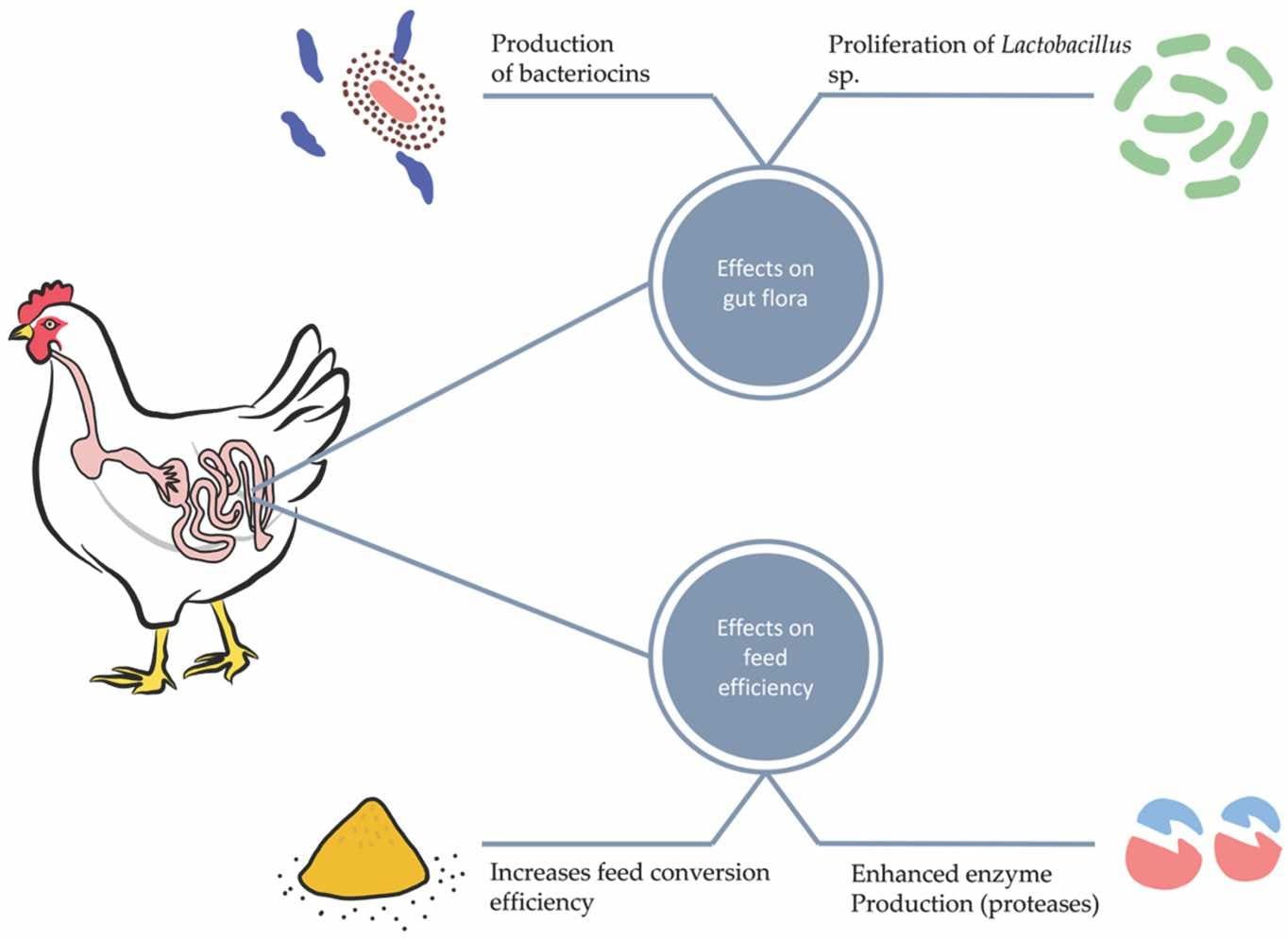 Simply put, probiotics help ensure that the nutrients formulated into the feed actually reach the bird in a form that can be utilized for production.
In trials with probiotics such as Bacillus subtilis PB6, supplementation supported a stronger production curve by optimizing nutrient utilization and improving metabolic efficiency. It also improved feed conversion and increased egg mass, indicating better feed utilization and enhanced reproductive efficiency.
Toxin Binders: Protection Against Multiple Mycotoxins
One of the most common mistakes observed in the field is the reactive use of toxin binders after performance losses become apparent.
By that stage, valuable weeks of production may already have been lost.
Modern layer feeds are often challenged by multiple mycotoxins simultaneously. Traditional binders based solely on clay technology may perform effectively against aflatoxins but offer limited protection against toxins such as DON, fumonisins, T-2 toxin, and zearalenone.
A scientifically validated broad-spectrum toxin binder should therefore be considered an insurance policy for gut health during monsoon.
Quality binders help:
- Reduce gastrointestinal exposure to mycotoxins
- Protect intestinal morphology
- Support liver function
- Preserve immune competence
- Maintain nutrient absorption efficiency
- Reduce performance variability across the flock
Protection + Restoration: A Two-Pronged Strategy
If monsoon challenges originate at the gut level, then the solution must also begin there.
A quality mycotoxin binder helps protect the gut from feed-borne toxins before damage occurs. Probiotics help restore and maintain microbial balance, barrier integrity, and digestive efficiency. Together, they provide complementary support against the two major drivers of monsoon-associated gut dysfunction: mycotoxins and dysbiosis.
For the modern layer nutritionist, this combination represents a practical and science-backed approach to sustaining egg production, shell quality, feed efficiency, and flock uniformity throughout the rainy season.
Conclusion
For long-cycle layers, monsoon management is ultimately a question of protecting productive potential. Gut integrity influences how efficiently birds utilise nutrients, withstand environmental pressure and sustain production. A proactive programme combining feed-quality management, validated probiotics and appropriate mycotoxin-control strategies can therefore help reduce performance variability and protect the economics of the flock.
References are available upon request.
By Midhun Raj M and Dr Jyothi Sahu, Kemin Industries South Asia