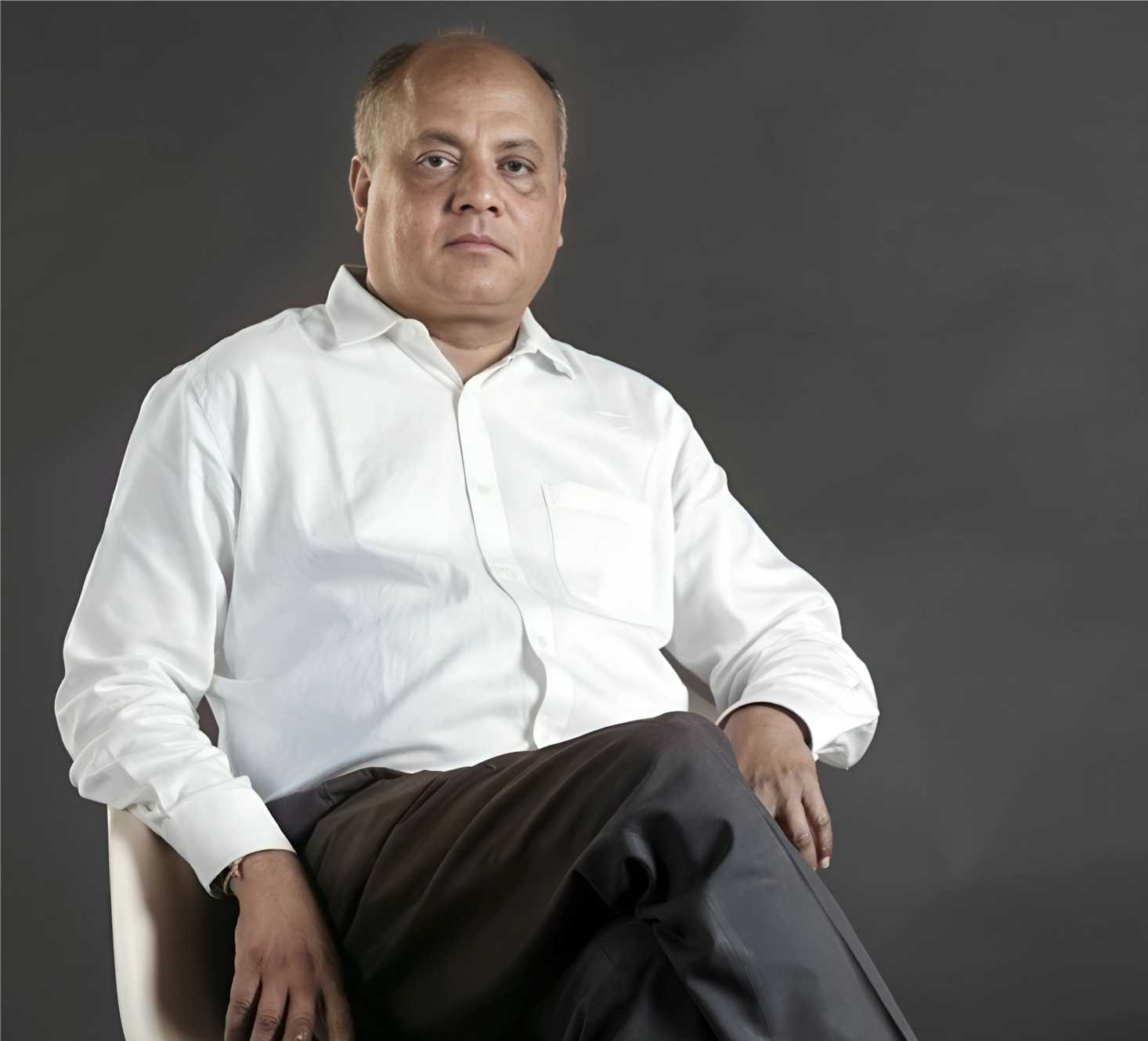
Capt. (Dr.) A.Y. Rajendra is the CEO of the Animal Feed Business at Godrej Agrovet Ltd. A veterinary science post-graduate and former officer in the Indian Armed Forces, he joined GAVL in 1999. With over 20 years of experience, he has held key leadership roles, including CEO of ACI Godrej in Bangladesh, where he led transformative growth before returning to India in 2023.
India, the world’s largest producer of milk and a major player in poultry and aquaculture, continues to face persistently low per capita animal productivity. This challenge weighs heavily on the sector at a time when it must scale up production to meet evolving consumption needs.
With a population of 1.4 billion and growing, coupled with rising affluence reshaping dietary patterns, demand for raw milk, value-added dairy products, eggs, poultry, and fish is surging. However, India’s dairy, aquaculture, and poultry sectors are struggling to meet this demand. The root of this struggle lies in a broken system of feed economics.
India’s feed market, valued at INR 956.7 billion in 2022, is projected to grow at 8.2% annually to reach INR 1,578.2 billion by 2028.1 While these figures appear promising, systemic roadblocks continue to undermine the sector’s potential.
The feed market is divided into three major categories: poultry (55%), aqua feed (14%), and cattle feed (12%).2 Despite its scale, the industry remains largely informal and unorganized. A lack of standardization leads to uneven feed quality and nutritional imbalances, particularly in cattle. This is evident in India’s low milk yield per animal, despite having the world’s largest livestock population.
Price volatility further exacerbates the problem. For instance, maize—a key poultry feed component—traded at INR 24,000-25,000 per ton in 2024.3 Similarly, soybean meal, a protein-rich feed component, ranged from INR 40,500 to 47,000 per ton.4 High prices and global supply chain vulnerabilities often force farmers to cut back on raw materials, resulting in inadequate animal nutrition and reduced yields.
While India produces a surplus of food grains, a lack of coordination between departments prevents animal farmers from accessing this surplus affordably and in a timely manner. Compound feeds could provide a viable solution. These scientifically formulated feeds combine cereals, protein sources, vitamins, minerals, and additives like enzymes and probiotics. Though initially costlier, compound feeds enhance feed conversion ratios, reduce wastage, and improve animal growth, reproduction, and immunity. In the long run, they lower input and animal care costs while boosting productivity and profitability.
Innovation is beginning to transform the sector. Start-ups are leveraging technologies like the Internet of Things to develop ration advisory tools and upcycled feed from agricultural waste.
However, these innovations remain small in scale. Their full potential can only be realized through a National Feed Security Roadmap.
The government has launched initiatives like the Rashtriya Gokul Mission and the National Dairy Plan to promote balanced feeding practices. States like Maharashtra and Punjab have also introduced their own programs. Yet, these efforts remain fragmented and lack nationwide impact.
A comprehensive, long-term feed strategy that integrates public policy, private innovation, and grassroots implementation is essential. A 10-year feed security roadmap could align these efforts and drive transformative change.
India aspires to become a fully developed nation by 2047. Achieving this vision requires a resilient rural economy, with a robust and profitable livestock and fisheries sector at its core. Fixing our feed economy is fundamental to realizing this dream.
1 Indian Animal Feed Market: Industry Trends, Share, Size, Growth, Opportunity and Forecast 2023-2028
2 Animal Feed Industry in India: Status, Importance and Challenges
3 Maize prices up by over a fifth on shortfall in supply, rise in demand
4 Soybean Meal Market Report – India