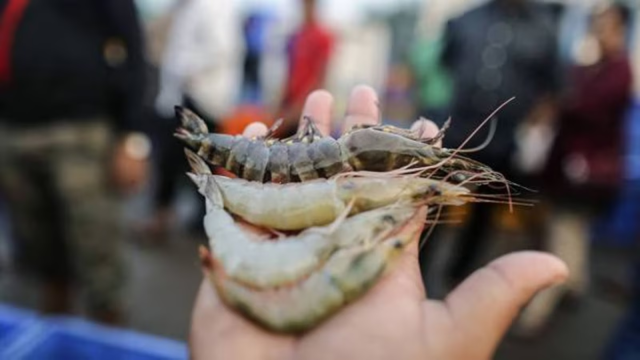
India’s shrimp farming sector is facing growing pressure from high feed costs and weak farm-gate prices, prompting farmer groups in Andhra Pradesh to seek government intervention.
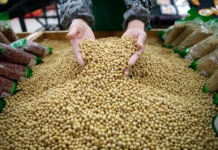
Feed accounts for an estimated 50–60% of shrimp production costs, while manufacturers face rising raw-material expenses, particularly for fishmeal and soybean meal. Shrimp feed prices reportedly increased by INR 12,000–14,000 per tonne between February and June 2026, adding to pressure on farmers.
Farmer associations in Andhra Pradesh have raised concerns over feed pricing and shrimp procurement prices, with some groups calling for reduced stocking and harvest boycotts.
Following discussions with industry and farmer representatives, the Andhra Pradesh government reduced the aquafeed price by INR 4/kg to around INR 108/kg. It has also established a 15-member Andhra Pradesh Shrimp Feed Ingredients Price Monitoring Committee, including farmer representatives, to monitor raw-material costs and address feed-pricing concerns.
Way Forward
Industry stakeholders have called for greater transparency in feed pricing, diversified protein sources and measures to reduce dependence on imported feed ingredients. Improving domestic soybean productivity, exploring alternative proteins such as insect and microbial proteins, strengthening farmer organisations and developing transparent mechanisms linking feed costs and shrimp prices could help improve supply-chain resilience.
The developments highlight the need for a more balanced and transparent shrimp value chain, particularly to protect small farmers from sharp fluctuations in feed costs and shrimp prices while maintaining the competitiveness of India’s seafood exports.