
Nutritional and Management Strategies for Profitable Dairy Farming
 The ultimate objective of dairy farming is not only to achieve higher milk production, but also to ensure superior milk quality and sustainable profitability. In a profitable dairy enterprise, two pillars play a decisive role — milk production and reproductive efficiency.
Milk yield and milk composition in dairy cows are influenced by several interrelated factors, including:
- Genetics and breeding potential
- Stage of lactation
- Nutrition and feeding management
- Herd health and environmental management
While the genetic potential of a dairy cow cannot be altered beyond a certain limit, a large number of dairy animals in India fail to express their true productive capacity. The primary reasons are nutritional deficiencies, poor feeding practices, environmental stress, and inadequate management.
Therefore, improving nutrition, maintaining rumen health, and reducing stress are among the most effective strategies to enhance both milk quantity and milk quality.
Understanding the Dairy Cow: The Role of the Rumen
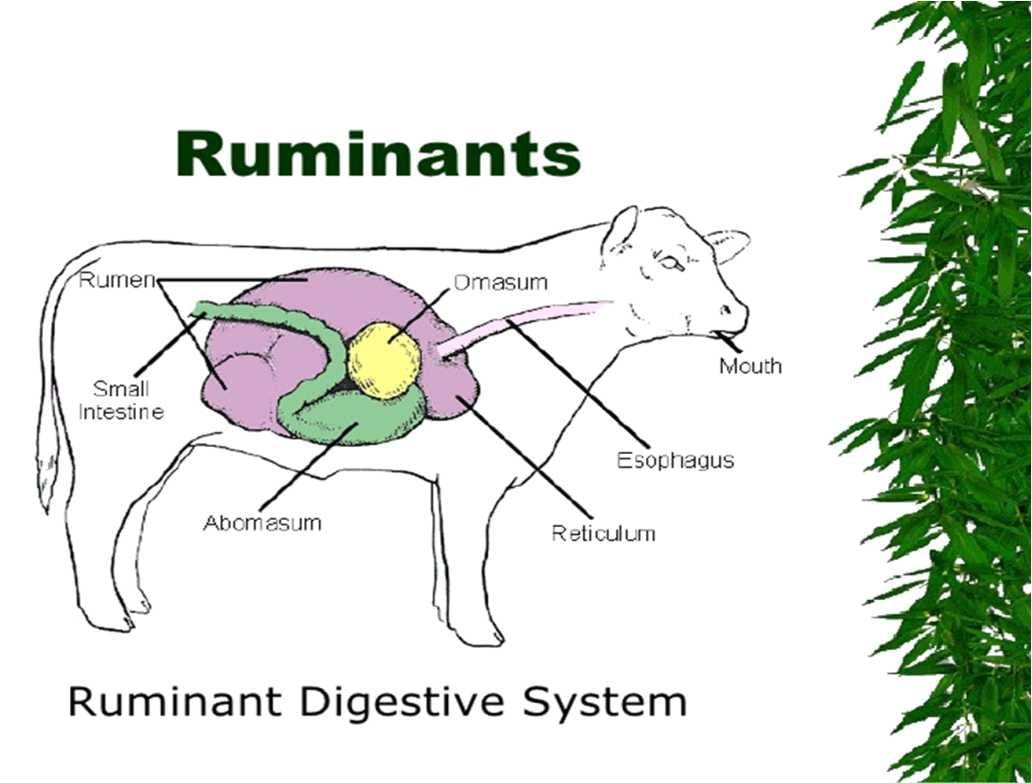
Dairy cows are ruminants possessing a four-compartment stomach consisting of the:
- Rumen
- Reticulum
- Omasum
- Abomasum
Among these, the rumen functions as a highly efficient natural fermentation chamber housing trillions of microorganisms such as bacteria, fungi, and protozoa. These microbes convert green fodder, dry fodder, and concentrate feeds into valuable nutrients required for milk production.
During digestion, feed materials mix with saliva and enter the rumen, where microbes convert them into:
- Volatile Fatty Acids (VFAs) – the primary energy source for milk synthesis
- Microbial Protein – essential for milk protein production
Thus, maintaining optimal rumen health is fundamental for achieving:
- Higher milk yield
- Better milk fat percentage
- Improved SNF (Solid-Not-Fat) levels
- Enhanced feed efficiency
Balanced feeding with adequate green fodder, dry fodder, and concentrate feed is therefore critical throughout the lactation cycle.
Lactation Cycle and Nutritional Needs
A dairy cow begins producing milk immediately after calving. The period between one calving and the next is called the lactation cycle, typically lasting around 300 days, followed by a dry period of approximately 60–65 days.
The lactation cycle is broadly divided into:
- Early Lactation
- Mid Lactation
- Late Lactation
- Dry Period
Each stage has distinct nutritional and management requirements.
Early Lactation: The Foundation of Peak Production
The first 100 days after calving represent the most critical phase of lactation. During this period, cows achieve peak milk production while simultaneously experiencing increased nutritional demands.
For instance, an HF crossbred cow may start producing 10 litres of milk per day after calving and gradually reach a peak yield of 20 litres per day within six to eight weeks.
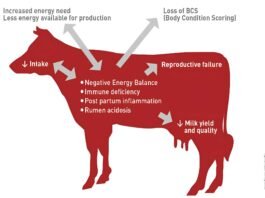
However, feed intake during this period often remains low due to metabolic and physiological stress. Consequently, cows may enter a state of negative energy balance, affecting both production and reproductive performance.
Importantly, every additional kilogram of milk achieved during peak lactation can contribute nearly 200 kg of additional milk over the entire lactation cycle.
Key Strategies to Improve Milk Yield and Quality During Early Lactation
- Ensure Balanced and Energy-Dense Nutrition
Provide nutritionally balanced, high-density compound cattle feed rich in energy, protein, vitamins, and minerals to support increasing milk production.
- Supply Adequate Quality Fodder
Feed approximately 30–40 kg of quality green fodder and dry fodder per cow daily to maintain rumen activity and fibre balance.
- Avoid Soaking Concentrate Feed
Concentrate feed should not be soaked in water before feeding, as proper chewing stimulates saliva production, which helps maintain rumen pH and microbial health.
- Maintain Continuous Water Availability
Water is the most critical nutrient for dairy cows. Clean drinking water should be available round the clock.
- Follow Consistent Feeding and Milking Schedules
Cows respond positively to routine. Feeding and milking should be performed at the same time every day to minimise stress.
- Practice Complete Milking
The last strips of milk contain higher fat levels. Proper milking practices help improve milk fat percentage.
- Provide Regular Exercise
Moderate exercise supports better metabolism, circulation, and overall health.
- Avoid Sudden Feed Changes
Abrupt changes in fodder or concentrate composition can disturb rumen microbes and negatively affect digestion.
- Prevent Mastitis and Control Somatic Cell Count (SCC)
Early lactation cows are highly susceptible to mastitis. Elevated SCC not only reduces milk quality and yield but also directly impacts dairy profitability.
- Use Mineral Mixtures Regularly
Daily supplementation with quality mineral mixtures helps prevent metabolic disorders, improve fertility, reduce mastitis incidence, and support better milk fat and SNF levels.
Mid and Late Lactation: Maintaining Productivity and Body Condition
As lactation progresses, milk production gradually declines, but nutritional management remains equally important because many cows are already pregnant during this period.
The focus during mid and late lactation should shift toward:
- Maintaining body condition
- Supporting foetal growth
- Preparing the cow for the next lactation cycle
Interestingly, rebuilding body reserves during late lactation is more efficient than attempting it during the dry period.
Management Tips During Mid and Late Lactation
- Monitor feed quantity and quality carefully.
- Adjust concentrate feeding according to milk production levels.
- Maintain good rumen health and fibre intake.
- Continue mineral supplementation.
- Observe body condition to avoid excessive weight loss or gain.
During this phase, milk fat and SNF percentages are often naturally higher because total milk volume decreases.
The Dry Period: Preparing for the Next Lactation
The dry period is the non-lactating phase before the next calving and plays a decisive role in determining future productivity.
The primary objectives during this stage are:
- Restoring body reserves
- Supporting foetal development
- Preparing the udder for the next lactation
Cows entering calving with adequate body condition are more likely to:
- Resume heat cycles early
- Achieve better conception rates
- Produce higher milk yields in the next lactation
Transition nutrition during the dry period is therefore extremely important for ensuring smooth metabolic adaptation after calving.
Conclusion
Improving milk yield and milk quality is not dependent on a single factor, but rather on the successful integration of nutrition, rumen health, management, and stress reduction.
Balanced feeding, proper lactation-stage management, mineral supplementation, mastitis prevention, and consistent care practices collectively determine the productivity and profitability of dairy farming.
By focusing on both the physiological needs of the cow and scientific feeding strategies, dairy farmers can unlock the true productive potential of their animals while ensuring better milk quality, improved reproductive performance, and long-term sustainability.
By Dr T M Gowrisankar- Independent Nutritionist and Animal feed consultant