A two-day training programme on hydroponic fodder production and Azolla cultivation was conducted at the Veterinary Sub-Dispensary in Maccapahad, Andaman and Nicobar Islands, to address fodder scarcity and enhance livestock productivity. The initiative was organised by the Department of Animal Husbandry and Veterinary Services under the Andaman and Nicobar Administration as part of its broader efforts to promote sustainable livestock management in the region.
The training programme aimed to equip livestock farmers with practical, low-cost, and space-efficient solutions to ensure year-round availability of green fodder. Limited land availability, challenging soil conditions, and seasonal variations often restrict conventional fodder cultivation in the islands. As livestock farming remains an important source of livelihood for many rural households, ensuring consistent fodder supply is essential for maintaining animal health, improving milk production, and enhancing farmers’ income.
The programme was inaugurated by the Sarpanch of Gram Panchayat Beodnabad, who emphasized the importance of adopting innovative fodder production technologies. He highlighted that alternative systems such as hydroponics and Azolla cultivation offer effective solutions for regions facing land and resource constraints. These technologies can help farmers produce nutritious fodder with minimal space, water, and investment, making them particularly suitable for island conditions.
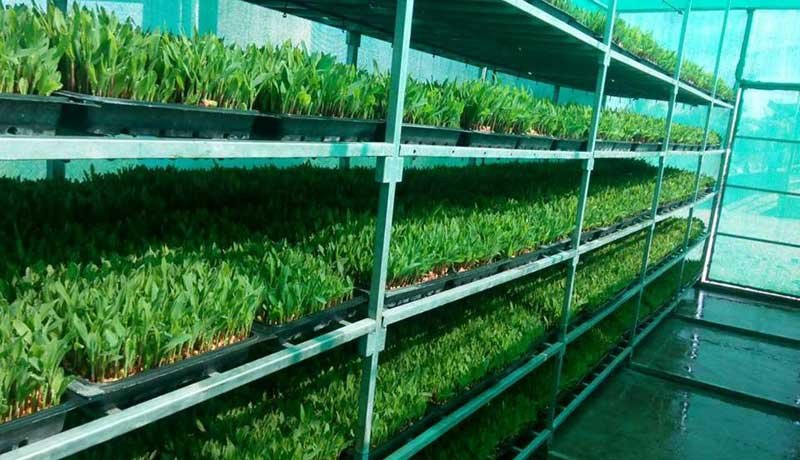
Technical sessions were conducted by the Senior Veterinary Officer from the Veterinary Dispensary, Rangachang, who provided detailed guidance on hydroponic fodder production. Farmers were introduced to the concept, benefits, and step-by-step procedures involved in setting up hydroponic systems. The sessions also covered seed selection, water and space requirements, maintenance practices, and options for scaling up production, including automated systems. Participants learned how hydroponic fodder can be grown quickly and consistently, ensuring a reliable supply of fresh feed for livestock.
The programme also highlighted Azolla cultivation as a highly nutritious and cost-effective supplementary feed for livestock. Azolla, a fast-growing aquatic plant, can be easily cultivated with minimal inputs and provides essential nutrients that improve animal health and productivity.
Overall, the training programme strengthened farmers’ awareness and technical knowledge of modern fodder production methods. By adopting these sustainable and efficient practices, farmers can reduce dependency on traditional fodder sources, ensure consistent feed supply, and improve livestock productivity, thereby supporting rural livelihoods and agricultural sustainability in the Andaman and Nicobar Islands.
Source: Verticalfarm Daily