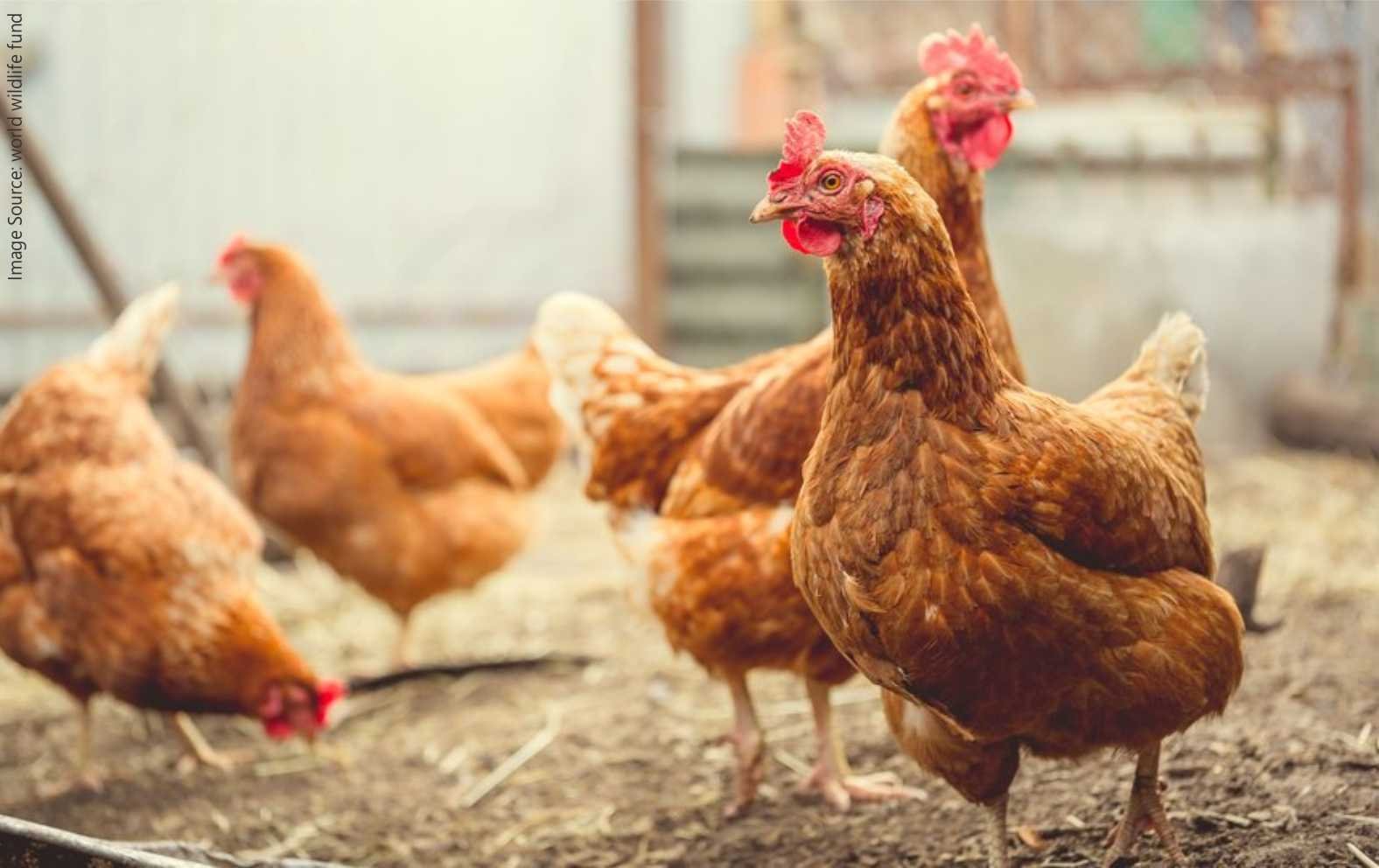
In the face of rising global demand for animal protein and mounting pressure on traditional feed resources, researchers are turning to an unexpected source: grasshoppers. A recent opinion piece in Animal Science highlights how these insects could help transform poultry nutrition and contribute to a more resilient agricultural future.
Grasshoppers, especially those from the Acrididae family, are abundant worldwide and thrive on diverse plant materials. Unlike conventional feed ingredients such as fishmeal, soy, corn, and nuts—which compete directly with human food supplies—the use of grasshoppers could reduce pressure on vital crop and marine resources.
What sets grasshoppers apart is their nutrient profile. They’re rich in high density protein and essential amino acids vital for poultry growth and health. For example, research shows that grasshopper meal contains higher levels of key amino acids like arginine, histidine, and threonine compared to traditional fishmeal. Poultry fed diets with grasshopper meal have demonstrated improved body weight gain and better feed conversion, suggesting strong potential for performance gains.
Beyond nutrition, grasshoppers bring environmental benefits. Producing insect protein typically requires less land, water, and feed inputs, while also emitting fewer greenhouse gases than conventional livestock feed production. These insects can be mass reared on low cost substrates and don’t compete with crops destined for human consumption, making them an attractive option for scaling sustainable feed systems.
Despite these clear advantages, grasshopper based feeds are not yet mainstream in the poultry industry. Challenges remain, including optimizing inclusion rates in feed, ensuring safety and quality, and understanding long term impacts on poultry health. Ongoing research and supportive policy frameworks will be key to unlocking their full potential.
Still, the idea of grasshopper enriched feeds represents a bold shift in thinking about agricultural inputs—one that aligns with global sustainability goals and could help make poultry production more efficient and ecologically sound.
Source: Toar WL, Riocerezo CP, de la Losa JN, Posangi J, Rumokoy L, Lopez Aban J (2025). Grasshopper enriched poultry feed: a new approach to sustainable nutrition. in Animal Science, 6:1619259.