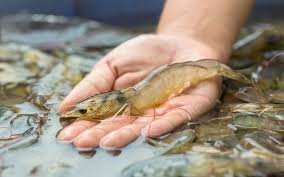
Shrimpl, an innovator in sustainable aquaculture, has successfully closed a Pre-Series A investment round led by MileDeep Capital, a strategic aquatech investor. This funding propels Shrimpl’s mission to digitize and de-risk aquaculture operations globally, with a significant focus on the Indian market.
The investment will accelerate Shrimpl’s entry into India, one of the world’s largest shrimp-producing regions valued at over USD 8 billion. By deploying its scientifically backed digital platforms, Shrimpl aims to equip Indian shrimp farmers with precision insights, robust risk management frameworks, and improved financial accessibility, thereby enhancing efficiency, profitability, and sustainability in the sector.
Beyond India, Shrimpl plans to scale its existing operations across Latin America and Southeast Asia, targeting key markets such as Ecuador, Mexico, Brazil, Vietnam, Thailand, and Indonesia. This expansion will drive the adoption of its proven farm optimization and risk management tools, enabling aquaculture businesses worldwide to boost production, mitigate risks, and improve financial viability.
Shrimpl’s core strength lies in its data-driven approach, which integrates bioeconomic modeling, AI, and satellite imagery to transform aquaculture decision-making. With over 1,000,000 hectares of aquaculture ponds already digitized globally, including more than 200,000 hectares in India, its proprietary tools like SatEye and Shrimpl Resiliency Score facilitate remote data validation, create digital twins of farms, and enable precise forecasting for biomass, financial planning, and risk assessment.
“We are building a digital aquaculture ecosystem that connects people and businesses through scientific, evidence-backed data and analytics—enabling smarter decisions with less risk. We believe aquaculture should be profitable, resilient, and sustainable,” stated Ciaron McKinley, CEO of Shrimpl. MileDeep Capital emphasized that their investment aligns with their core values of environmental sustainability and a commitment to reducing their carbon footprint, viewing it as a strategic partnership for responsible food ecosystem growth.