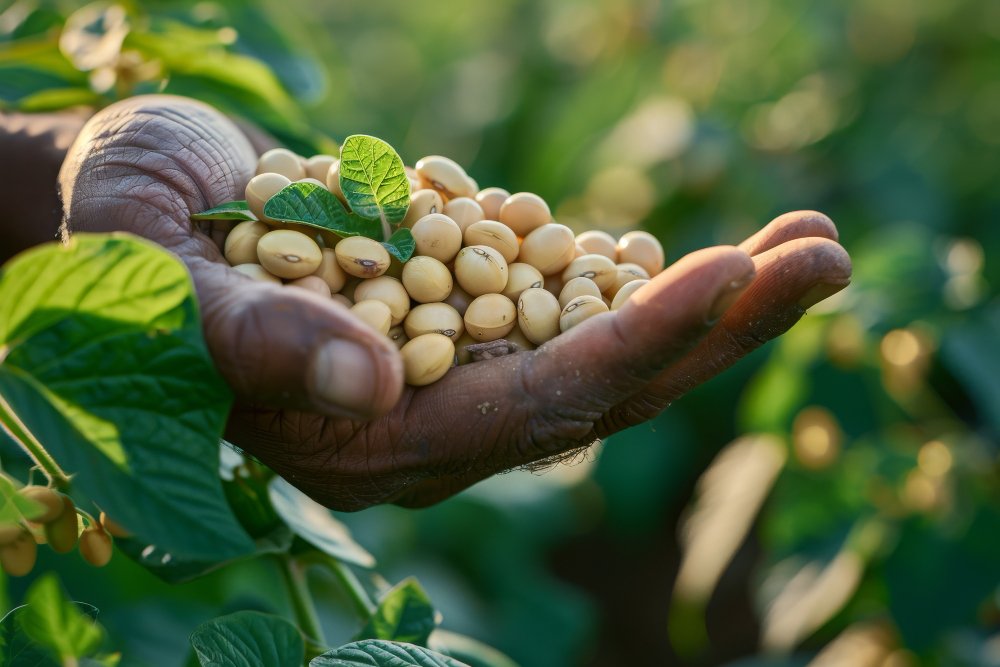
U.S. farmers are set to increase soybean plantings and scale back corn acreage in 2026, according to the U.S. Department of Agriculture (USDA), even as both crops are expected to produce near-record harvests. Corn plantings are projected at 94 million acres, down from an 89-year high of 98.8 million acres in 2025, while soybean acreage is forecast to rise to 85 million acres from 81.2 million acres last year.
Growers face challenges from global oversupply, weak crop prices, and rising input costs for seeds and fertilizer. Despite near-record government payments, which are expected to account for nearly 29% of farm revenue, U.S. farm income is projected to decline 0.7% in 2026.
Many Midwest farmers rotate corn and soybean crops to maintain soil health, but some fields may deviate from tradition if soybean profits appear more attractive. Analysts noted that low corn prices and abundant 2025 harvests have discouraged further expansion, though strong demand from exporters and ethanol producers may limit the decline. Soybean acres are rising due to robust domestic demand for soy oil for renewable fuels, even amid trade tensions with China and competition from Brazil’s likely record harvest.
Assuming normal weather, USDA forecasts the 2026 corn harvest at 15.755 billion bushels and soybeans at 4.450 billion bushels. Ending stocks are projected at 1.837 billion bushels of corn and 355 million bushels of soybeans. Corn exports are expected to fall to 3.1 billion bushels, while soybean exports rise to a two-year high of 1.7 billion bushels, supported by strong processing demand.
Meanwhile, U.S. wheat stocks are expected to remain nearly unchanged at 933 million bushels, with exports slightly down to 850 million bushels due to competition from bumper crops in Argentina and Australia.