Introduction
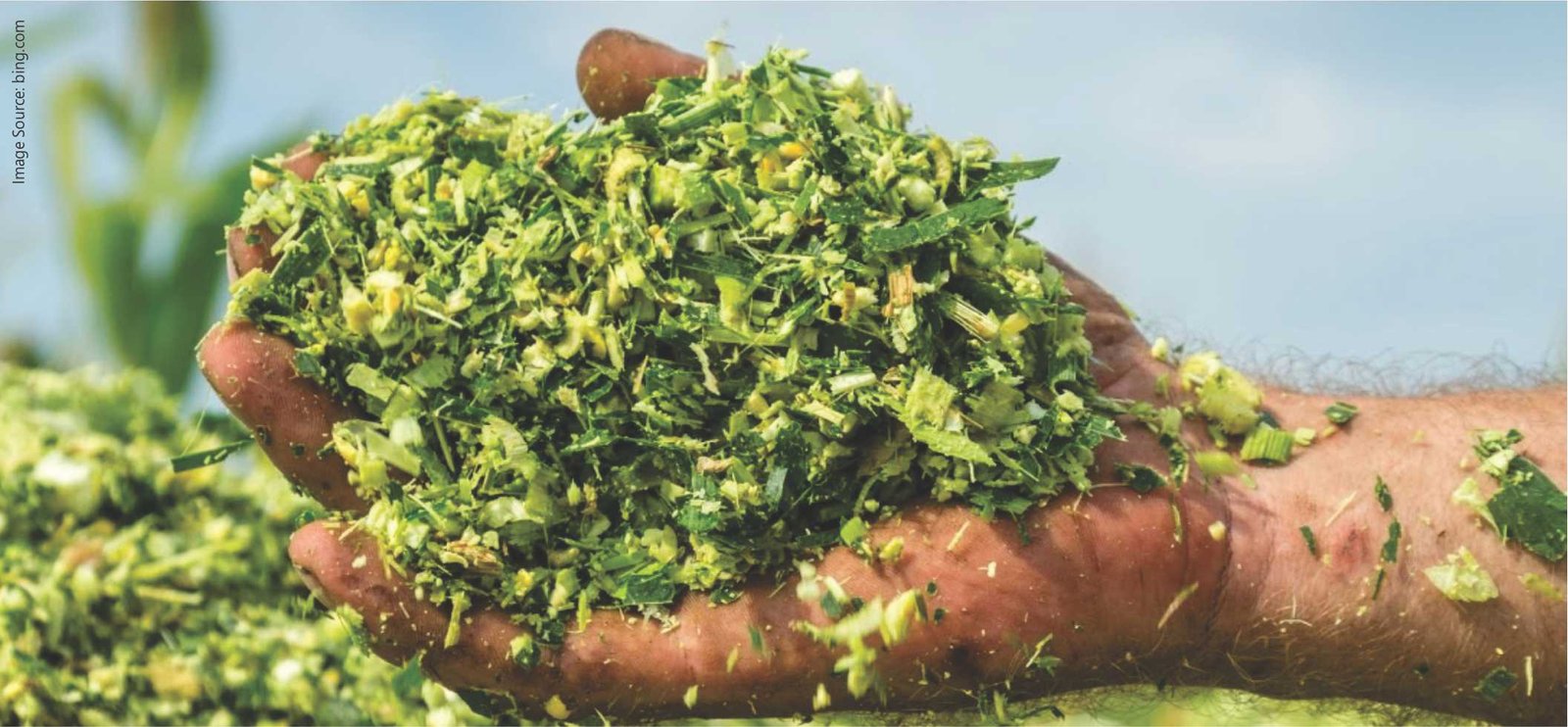
Forage crops are foundational to livestock nutrition, directly influencing animal health, productivity, and food quality. As global demand for animal products grows, so does the need for high-quality fodder. Urbanization and shrinking agricultural lands intensify pressure on feed supply, prompting farmers and researchers to maximize use of available forages and crop residues. One of the most effective ways to preserve fodder year-round and improve its nutritional profile is through ensiling—the anaerobic fermentation of green forage to produce silage, a stable, nutritious feed that can be stored for long periods.
However, producing consistently high-quality silage is challenging due to variable forage composition, environmental conditions, and microbial activity. To address these challenges, researchers have developed and evaluated silage additives—compounds added during ensiling to improve fermentation, preservation, and feed quality. These additives range from microbial inoculants and enzymes to chemical preservatives and nutrient sources. The review article by Reddy et al. comprehensively summarizes recent advances in silage additive science, describing how different types of additives improve fermentation, extend storage life, enhance nutrient retention, and ultimately support better livestock performance.
The Role of Silage in Livestock Systems
Silage production plays an essential role in global livestock feeding systems by:
- Ensuring a reliable feed source throughout the year, especially during periods of forage scarcity caused by seasonal changes and climate variability.
- Reducing reliance on concentrated feed, thereby lowering feed costs and supporting economic viability.
- Preserving forage nutrient content while minimizing nutrient loss and environmental pollution from residue burning.
- Stabilizing feed availability and helping maintain consistent livestock productivity.
Silage contributes an estimated 10–25 % of livestock feed globally and is particularly valuable in regions with distinct dry seasons or limited pasture availability. Unlike hay, silage can be harvested and ensiled under a wider range of conditions without dependence on weather, enabling multiple harvests and increased utilization of crop residues and by-products.
Despite its advantages, silage quality can suffer due to inadequate fermentation, exposure to air, and proliferation of undesirable microbes such as yeasts and molds. These issues can lead to nutrient loss, reduced palatability, and spoilage during storage or feeding. Effective use of additives can dramatically improve silage outcomes.
What Are Silage Additives?
Silage additives are substances introduced during the ensiling process to:
- Accelerate fermentation
- Suppress growth of undesirable organisms (e.g., spoilage yeasts and molds)
- Preserve nutrients
- Improve aerobic stability (resistance to spoilage when exposed to air)
- Optimize the feed quality and palatability to livestock
Additives can be natural or synthetic, liquid or solid, and are selected based on forage type, moisture content, and desired fermentation outcomes. They fall into several major categories: microbial inoculants, enzymes, chemical additives, nutrients, and fermentation stimulants.
Microbial Inoculants
Role in Silage Fermentation
Microbial inoculants are among the most widely studied and used silage additives. The key aim in ensiling is to promote the rapid production of lactic acid by lactic acid bacteria (LAB), lowering pH to below ~4.2, which stabilizes the forage and inhibits growth of spoilage organisms. LAB also changes the microbial ecology in silage, favoring beneficial bacteria and suppressing harmful ones.
Common microbial inoculants include:
- Lactobacillus species (e.g., L. plantarum, L. acidophilus)
- Lactococcus species
- Yeast strains (e.g., Saccharomyces cerevisiae)
These organisms accelerate production of lactic acid and other beneficial metabolites, reduce fermentation losses, enhance nutrient preservation, and increase aerobic stability. For example, combining bacterial and yeast inoculants has been shown to produce high-quality silage in maize and other forages.
Studies also highlight how different strains and combinations of LAB can be selected for specific forage types. Certain strains improve dry matter preservation, increase beneficial bacterial populations, and enhance the palatability of silage. Some inoculants help reduce toxins such as mycotoxins and improve overall fermentation dynamics.
Enzyme Additives
Enzyme additives contribute to silage quality by breaking down complex plant components into simpler sugars that LAB can more easily ferment. By enhancing the availability of fermentable carbohydrate substrates, enzymes support stronger and faster lactic acid production.
Examples include:
- Cellulase and hemicellulase enzymes: Break down fiber complexes, releasing sugars and improving digestibility.
- Xylanases and glucanases: Target hemicellulose and glucan structures, increasing soluble sugars and lactic acid content.
- Proteases and amylases: Improve protein and starch breakdown, enhancing nutrient availability.
Enzyme treatments have been shown to lower pH, increase crude protein and lactic acid content, reduce fiber fractions such as neutral detergent fiber (NDF) and acid detergent fiber (ADF), and improve silage quality parameters, including digestibility and aerobic stability. Enzymes also alter the bacterial community structure, promoting growth of beneficial LAB species.
Chemical Additives
Chemical additives influence silage fermentation by directly lowering pH, inhibiting spoilage organisms, and preserving nutrients:
Organic and Mineral Acids
- Formic acid can quickly lower silage pH, reducing proteolysis and ammonia formation, lowering fiber content, and improving storage quality.
- Sorbic acid and potassium sorbate inhibit yeasts and molds, improving aerobic stability and reducing nutrient losses.
- Hydrochloric acid (in controlled amounts) can reduce pH and improve physical and nutritive qualities of silage.
These acids enhance fermentation outcomes and help ensure more stable silage with extended storage life.
Salt-Based Additives
Salts such as sodium chloride, sodium diacetate, and urea also play roles in modifying the ensiling environment, influencing fermentation dynamics, nutrient breakdown, and microbial populations. Urea and ammonia can increase nitrogen content in silage, benefiting protein availability when used carefully.
Fermentation Stimulants
Fermentable carbohydrates act as feed for microbes during ensiling. Because many forages have insufficient sugar to fuel optimal fermentation, fermentation stimulants are often added:
- Molasses is a widely available and cost-effective source of fermentable sugars, supporting lactic acid production and enhancing fermentation quality.
- Grains and starchy substances provide carbohydrate substrates for LAB fermentation and can improve aerobic stability.
Adding molasses has been shown to increase lactic acid production, reduce dry matter loss, suppress undesirable microbes, and improve aerobic stability. When combined with LAB inoculants, molasses can produce synergistic improvements in silage fermentation and nutrient preservation.
Other fermentable carbohydrate sources, including potato processing waste and grain cereals, have also improved silage quality by providing substrate for fermentation and enhancing microbial activity.
Impact on Silage Quality and Livestock
Well-managed silage with effective additives offers numerous benefits:
Improved Fermentation and Storage
- Rapid pH drop (<4.2) limits undesirable microbes.
- Reduced proteolysis and ammonia volatility preserve proteins.
- Enhanced aerobic stability prolongs shelf life after silo opening (typically increased by 2¬–5 days).
Nutrient Retention
Additives help retain nutrients that would otherwise be lost, including carbohydrates and proteins, resulting in higher feed quality.
Animal Performance
- Silage with optimal fermentation and nutrients supports better rumen function.
- Improved feed quality can lead to 5 – 20 % increases in milk production and lactation period in dairy cattle.
- Beneficial rumen microbial populations are promoted, supporting overall health and productivity.
Economic and Environmental Benefits
- Reduced need for expensive concentrates.
- Better use of crop residues and by-products supports sustainable production.
- Less feed waste and lower nutrient runoff reduce environmental impact.
Challenges and Considerations
While silage additives provide clear advantages, their effectiveness depends on multiple factors:
Forage Characteristics
Forages vary in sugar content, moisture, and native microbial populations, which influence fermentation success and additive efficiency.
Environmental Conditions
Temperature, humidity, and harvest timing affect silage fermentation, often requiring tailored additive strategies.
Additive Selection and Costs
Choosing the right additive type and dose is critical; inappropriate use can be ineffective or economically unjustified.
Safety and Environmental Risks
Further research is needed to assess long-term impacts of additives, potential residues, and environmental safety considerations.
Conclusion
Ensiling remains a cornerstone of sustainable livestock nutrition, transforming perishable fodder into a stable, nutritious feed source. Advances in silage additive technology—including microbial inoculants, enzymes, chemical preservatives, and fermentation stimulants—have significantly enhanced silage quality, storage stability, and nutrient retention. These improvements translate to better animal performance, economic advantages for producers, and environmental benefits.
As research continues to optimize additive formulations and application strategies, incorporating silage additives based on forage type, climate, and production goals will remain a key practice in modern livestock systems.
Source
Reddy U.S.P.K., Selvakumar T., Sathyasheela K.R.V., Satheeshkumar N. & Thirunavukkarasu M. (2025). Transforming forage nutrition: Advances in silage additives for enhanced preservation and feed quality. Plant Science Today (CC BY 4.0). DOI:10.14719/pst.8548.
by U S P K Reddy1, T Selvakumar2*, K R V Sathyasheela2, N Satheeshkumar2 & M Thirunavukkarasu1
1 Tamil Nadu Agricultural University, 2 Maize Research Station, Vagarai