Silage Adoption Transforms Dairy Feeding Practices in Punjab
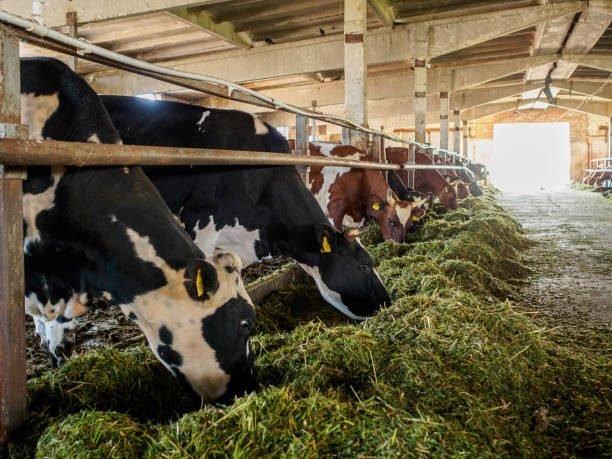
Silage is rapidly becoming the preferred feed for dairy farmers in Punjab, replacing conventional green fodder as commercial and small-scale producers seek a reliable, year-round source of nutritious feed. The shift has helped dairy farms overcome seasonal fodder shortages, stabilize feed costs and improve livestock productivity, while creating a new business opportunity through interstate sales.
Maize has emerged as the principal crop for silage production, with an estimated 60–70% of Punjab’s maize acreage expected to be harvested for silage. The crop is cut at the unripe stage to achieve optimal fermentation, preserving its nutritional value for long-term storage. Growing demand has also positioned Punjab as a major supplier of silage to states such as Maharashtra and Karnataka.
Industry leaders attribute the rapid adoption to the economic and operational benefits of silage. By ensuring a consistent supply of quality feed, dairy farmers can reduce dependence on fluctuating green fodder markets and maintain stable milk production throughout the year.
Veterinary experts, however, stress that the benefits of silage depend on scientific preparation and proper management. Successful silage production requires airtight storage to support anaerobic fermentation and prevent spoilage. Properly fermented silage improves rumen function, enhances feed digestion and supports higher milk yields.
Experts also dispel concerns that silage affects milk quality, noting that unpleasant odours result from poor farm hygiene rather than the feed itself. Feeding silage immediately after milking and storing it away from the milking area can effectively prevent odour contamination.
The increasing adoption of silage reflects a broader shift towards scientific feeding practices that improve feed security, enhance dairy productivity and generate new income opportunities for farmers and rural entrepreneurs.