Industry associations play a vital role in bridging the gap between policymakers and the industry. In this exclusive coverage, Think Grain Think Feed connects with Divya Kumar Gulati, Founder of Nurture Technology and Chairman of the CLFMA of India. He shares his personal journey, how he’s fulfilling the association’s mandate, and the new initiatives bringing the livestock sector into the national spotlight—especially among mainstream media and policymakers.
Could you share your personal journey and how you entered this industry?
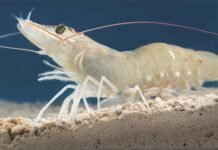
I began my career as an Electronics Engineer and initially ventured into manufacturing packaging materials for the pharmaceutical industry around 1990. While this had some overlap with the health sector, my entry into aquaculture came in 1997. We were the first to introduce probiotic culture in India, distributing products for the US-based Epicore Bio Networks Inc to shrimp hatcheries and farms.
Over the years, our reach expanded into Bangladesh. Around 2004–2005, we diversified into the Poultry and Ruminants sectors by distributing products from Azomite and Desert King, both American companies. By 2011, we began manufacturing our own products—starting with contract manufacturing and eventually establishing our own production facilities. This backward integration enabled us to develop proprietary formulations for both animal and human health, leading to the formation of Herbs Health Biotech Pvt. Ltd. We also operate a joint venture in Bangladesh, manufacturing specialized products for shrimp hatcheries.
Today, we have a total work force of more than 100 people and our business spans more than 25 countries, including Southeast Asia, the Middle East, Africa, and South America. In India, our poultry and ruminants products are sold directly to key clients, while our aquaculture range is distributed across the coastal belt—from Tamil Nadu to West Bengal and Gujarat.
We entered the feed supplement segment quite early. Back then, hardly anyone was familiar with probiotic cultures. India was still cultivating its indigenous tiger prawn (monodon) species and producing just around 80,000 tonnes annually. It was a niche market with limited understanding of aquaculture at the time.
How did your association with CLFMA begin and evolve?
My association with CLFMA began in 2012, when I became the first member to represent the aquaculture sector. In the early years, I mostly observed and learned from senior members. Later, during Mr. Bhave’s chairmanship, I served as Secretary, during that period we strengthened ties with government ministries—elevating our dialogue from assistant commissioner-level officers to senior officials in the Departments of Animal Husbandry and Commerce.
Subsequently, I served as Deputy Chairman during Mr. Neeraj Srivastava’s and Mr Suresh Deora’s tenure, where I was responsible for feed supplement import approvals and liasoning with the Department of Animal Husbandry and Dairying and also the Department of Fisheries. Last year, I assumed the role of Chairman with a clear vision to enhance industry connectivity, foster academic partnerships, and expand CLFMA’s national footprint.
As CLFMA Chairman, what initiatives have you led to strengthen the industry?
A key priority has been building stronger engagement between academia and industry. We formed a technical committee of subject experts and launched a postgraduate essay competition across four sectors—dairy, aqua, poultry, andswine. We received 148 entries, and winners will be recognized at our upcoming symposium. This initiative aims to attract young talent to the sector, which often gets overshadowed by companion animal care.
We also increased regional outreach by organizing seminars in cities such as Coimbatore, Namakkal, Pune, Kolkata, Patna, and Kolhapur. These events, often held in underrepresented areas, directly connect us with farmers, manufacturers, and local stakeholders, fostering dialogue on feed alternatives and sector challenges.
In parallel, we partnered with a PR agency to boost CLFMA’s visibility in mainstream media. We have been quoted in Hindu Business Line, Financial Express, Business Standard, Indian Express, and even interviewed on CNBC Awaaz. This enhanced media presence not only with National media but also the local media, has helped build credibility, attract new members, and amplify our voice in policy matters.Further, under this media initiative, we recently launched a nationwide protein awareness campaign aimed at educating the public about the importance of adequate protein consumption, busting long-standing myths around animal protein, and promoting evidence-based understanding of its role in health and nutrition. The campaign also positions CLFMA as a credible and authoritative voice for all matters related to protein—be it breeding, rearing, or consumption—making us a trusted resource for the general public and policymakers alike.
International collaboration is another strategic focus. Our recent engagement with Sri Lanka has been built on mutual learning. While India still largely operates in the live-market space, Sri Lanka leads in frozen and chilled meat processing. Interestingly, India also imports significant quantities of vitamins and minerals from Sri Lanka. Their government and industry bodies have responded positively, and we hope to replicate this collaborative model with Bangladesh and Nepal under the SAARC framework. These partnerships are not just about trade but about sharing knowledge and aligning standards for regional development.
Corn is one of the key feed ingredients. Would you please share more about Digital Corn Production Survey?
Corn production in India currently stands at 36 million metric tonnes (MMT), with the feed industry consuming around 26 MMT. The rising demand from the ethanol industry is adding pressure on corn availability. To meet a 20% ethanol blending target, India would need 8–9 MMT of corn. To ease the burden on the food and livestock sectors, the government has diverted 5–5.5 MMT of rice towards ethanol production.
To aid planning and policy, we launched a Digital Corn Production Survey on July 1, during the Kharif crop cycle. Covering 208–210 districts across India, the initiative uses satellite imagery and ground verification to estimate actual production. Sowing data is expected by late August or early September, with harvest figures available by October–November. For the first time, our sector will have independently validated figures based on harvests rather than sowing estimates. This initiative is supported by 14 associations and aims to facilitate data-driven decision-making
What message would you like to send through the upcoming annual CLFMA symposium?
Our theme this year is “Animal Agriculture: The Way Forward.” The goal is to reposition livestock farming as an integral part of Indian agriculture. With livestock now contributing about 31% to India’s agri-GDP, it’s time the sector receives the recognition and structured policy support it deserves.
We also want to build momentum toward granting agriculture status to the livestock sector. This would help lower production costs and formalize our sector’s role in policymaking.
For the first time, the symposium will bring together stakeholders from poultry, dairy, and aquaculture sectors on a unified platform, signaling a shared vision for the future. With export successes—like shipping one crore eggs to the U.S.—we’ve proven our capacity. Now, the focus is on building cost competitiveness and tapping global markets, especially as input and feed costs fluctuate.
This event is about shaping that path forward—together.