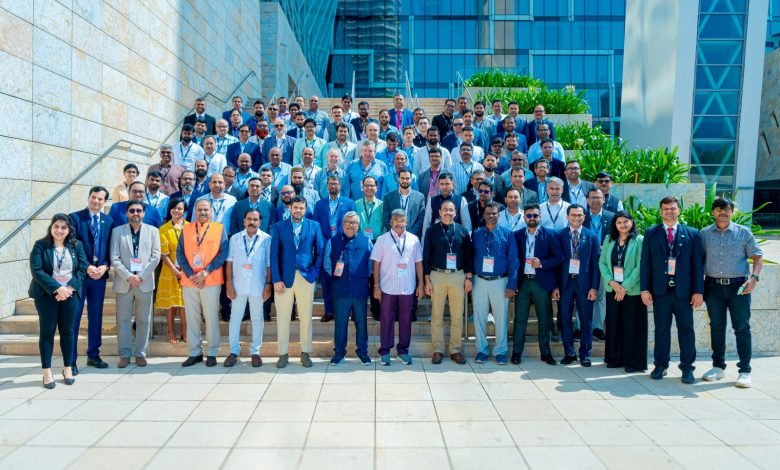
The South Asia Poultry Nutrition Summit 2025, organized by Alltech, was held around the theme “Smart Nutrition for Profitable and Sustainable Poultry Production.” The three-day summit brought together over 85 senior delegates from across South Asia, including poultry nutritionists, feed millers, integrators, and industry leaders.
The event featured distinguished speakers such as Dr. Rick Kleyn, renowned global poultry nutritionist and consultant, who shared insights on aligning nutrition strategies with evolving industry realities, and Dr. Roy Brister, Strategic Poultry Advisor at Alltech, who emphasized data-driven decision-making and precision nutrition as critical tools for improving poultry performance and profitability. Think Grain Think Feed interacted with several participants to capture their key learning points and practical takeaways from the summit.
Takeaway Messages from Industry Experts
Optimizing Feed Processing: Particle Size, Equipment, and Quality Control
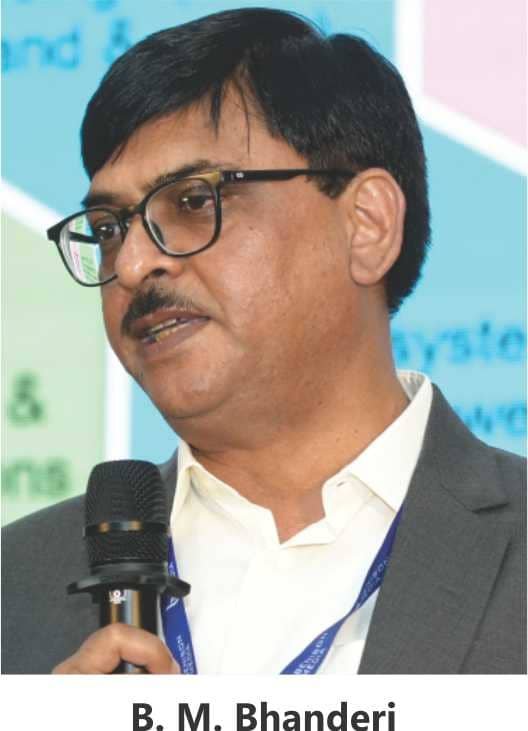
by B. M. Bhanderi, Amul Dairy
- Optimize Particle Size: Proper grinding improves digestibility, reduces waste, and
 enhances pellet quality. Ingredient size, shape, and density influence mixing efficiency. Ideal particle sizes: dairy cattle (300–400 microns), broiler starter (1–14 days: 900–1000 microns), grower/finisher (15–42 days: 1000–1200 microns), growing chickens (600–900 microns), and swine (500–600 microns).
 - Control Process Parameters: Maintain optimal feed rate, moisture (15–18% before pelleting), temperature (180–190ºF), steam quality (superheated: 5–10°C above saturated steam), steam pressure (2.5–3.5 kg/cm²), and conditioning time (45–60 seconds) for uniform results.
- Select the Right Equipment & Maintenance: Well-maintained, correctly sized machinery reduces downtime and energy use. Proper maintenance and equipment type significantly impact mixing efficiency.
- Hammer Mill: Position, number, and condition of hammer mills, along with screen size (0.6–5 mm SS, 0.5–10 mm carbon steel) and shape, are critical for uniform grinding. Use of VFDs can further improve process efficiency.
- Energy Efficiency: Monitor and minimize power consumption without compromising feed quality. Ideal power consumption is 16-21 KW/h/MT.
- Quality Assurance: Regular testing of incoming raw materials ensures nutritional accuracy and compliance with feed regulatory standards. High ingredient quality ensures high feed quality. Maintain optimum PDI (~97%) and minimal fines (~1.5%) in final products.
- Coefficient of Variation (CV): CV in feed mixing is a key metric for nutrient uniformity. CV <10% = excellent, 10–15% = good, >20% = poor mixing.
- Continuous Improvement: Use data monitoring and plant automation to fine-tune processes over time.
Optimizing Poultry Nutrition: Protein, Amino Acids, and Cost-Effective Feeding Strategies
by Dr. Pattabhirama, Nanda Group
- In broiler breeder nutrition, while corn–soy diets remain standard, properly ground mash
 feed is sufficient, and pelleting does not offer significant performance advantages—presenting a clear opportunity for cost savings.
 - For broilers, lower crude protein diets can perform well when amino acids are balanced, but in fast-growing strains, especially during the pre-starter and starter phases, protein levels cannot be compromised. Birds respond better to slightly lower energy diets than to protein restriction.
- Meat quality is directly linked to higher amino acid density in the diet, improving yield.
- In layers, despite breeder recommendations of 17–18% protein, birds can perform efficiently on around 15% dietary protein, provided amino acid balance is optimized.

Optimizing Layer Management: Nutrition, Pellet Size, and Extended Production
by Dr. Dinesh Gautam, Poultry Nutritionist, Nepal
- The feasibility of extended layer production cycles up to 100 weeks was highlighted,
 emphasizing the role of precise nutrition and management.
 - The use of 4–5 mm pellets in the US, compared to the current ~3 mm standard in Nepal, represents a significant cost-saving opportunity. This approach could be adopted gradually after carefully designed field trials.

Concluding Remarks
The South Asia Poultry Nutrition Summit 2025 reinforced that smart nutrition goes hand in hand with smart feed processing. By combining precision nutrition, data-driven decisions, and efficient feed milling practices, the poultry sector can achieve higher productivity, lower costs, and sustainable growth in the years ahead.