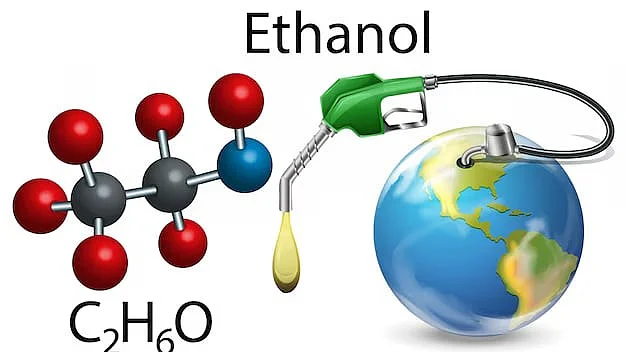
India’s pursuit of energy self-reliance is increasingly reshaping its agricultural economy. The rapid expansion of the E20 blending programme has significantly boosted grain-based ethanol production, with maize accounting for 42.74% of total ethanol output in the 2023–24 supply year. This shift has strengthened energy security and reduced dependence on imported crude, aligning with the broader vision of Aatmanirbharta. However, it has also tightened domestic grain availability and influenced cropping patterns. As maize is increasingly diverted toward fuel, a critical question emerges: can India sustain its ethanol ambitions without compromising feed availability and livestock sustainability?
The most immediate pressure point is maize. Traditionally a key energy ingredient in animal feed, maize has become an attractive ethanol feedstock due to assured procurement and stable pricing mechanisms. Industry estimates suggest that maize diversion to ethanol increased sharply—from around 1 million tonnes in 2022–23 to nearly 7 million tonnes in 2023–24—with further growth expected as new grain-based distilleries become operational. This steady offtake has altered market dynamics, keeping maize prices firm even during periods of high production and reducing the price relief that feed buyers typically rely on.
India’s poultry sector, which consumes approximately 60–70% of the country’s maize output, is particularly vulnerable to such shifts. Feed constitutes the largest share of production costs in both poultry and dairy systems. Any sustained increase in maize prices quickly translates into higher input costs, which in turn affect the pricing of eggs, milk, and meat. Recent years have already seen a notable rise in maize prices, reflecting tightening supplies and growing competition from ethanol producers. For poultry farmers operating on narrow margins, this sustained price firmness creates significant cost pressures, with downstream implications for food affordability.