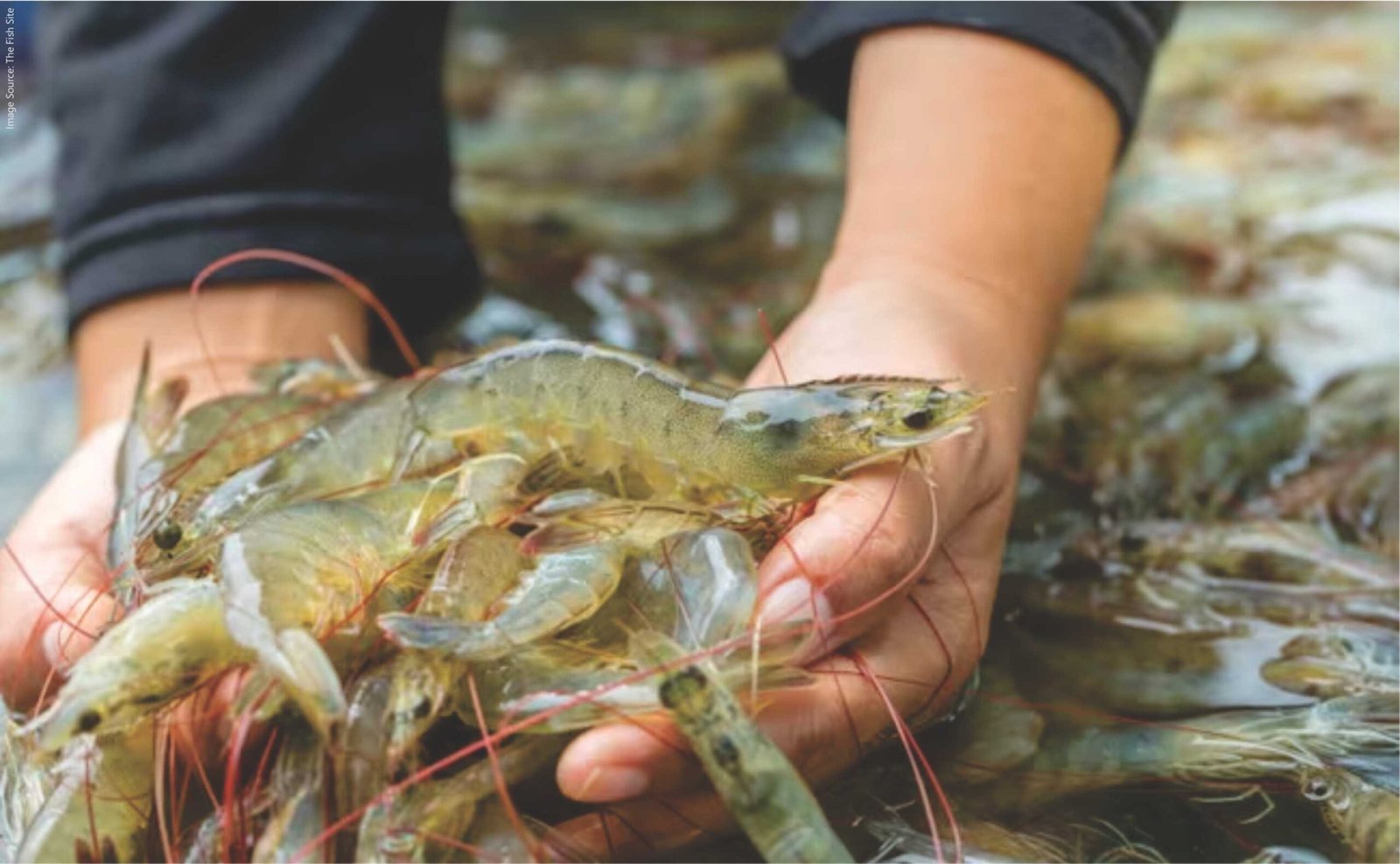
The global livestock industry is currently facing a critical crisis marked by recurring disease outbreaks and growing antibiotic resistance. As an economically high-value, export-oriented sector, the shrimp industry is experiencing this pressure even more intensely.
During his presentation at the World Seafood Congress held in Chennai in early February 2026, Mr. Madhu Mohan Talluri, Technical Director, SGS Aqua Solutions, observed:
“Shrimp farmers are suffering greatly due to disease outbreaks. Most of these diseases are highly contagious and spread so quickly that there is little room for mitigation. The practical challenges farmers face in diagnosing and treating disease are of serious concern.”
Adding to this, Mr. Balasubramaniam, General Secretary, PFFI, emphasized the sector’s instability due to price fluctuations, tariffs, and disease outbreaks. He noted:
“There is significant uncertainty in crop harvests due to disease. Much like the success seen in Ecuador, our industry is looking toward developing indigenous, disease-resistant shrimp species.”
The Case for Indigenous Shrimp Varieties
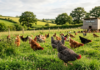
It may be time to seriously consider the commercial-scale development of indigenous shrimp varieties. A similar transformation has already been achieved in the poultry industry, where country chicken breeds were systematically improved to create specialized, climate-resilient, and commercially competitive varieties suited for high-density farming.
However, indigenous species development cannot follow a simple “grow and sell” approach. It requires long-term commitment, structured breeding programs, and dedicated marketing strategies. With proper positioning, indigenous shrimp varieties could potentially qualify for Geographical Indication (GI) tags, opening doors to niche markets and premium pricing.
Modern technology further strengthens this possibility. Improved traceability systems enhance marketability and consumer trust. The integration of Artificial Intelligence (AI) and Machine Learning (ML) with Mass Spectrometry (MS) has transformed analytical chemistry into a predictive, high-throughput science.
Dr. Niladri Sekhar Chatterjee, Senior Scientist at CIFT, is currently developing and presenting a handheld, real-time analytical probe. Such innovations not only enhance traceability and marketing potential but also provide scientific confidence in developing and validating new indigenous shrimp strains.
The Evolution of Shrimp Nutrition
Nutrition has emerged as another critical pillar in ensuring industry sustainability.
The focus is gradually shifting from merely optimizing Feed Conversion Ratios (FCR) to enhancing immunity and overall health. Feed is no longer evaluated solely on crude protein levels or basic amino acid profiles. Today, we must deepen our understanding of animal health, immunity, and nutrigenomics.
Animal health is the primary economic driver of the shrimp industry. Better growth combined with higher survival rates is the real metric of success. Naturally derived health-enhancing ingredients are becoming central to global market demand.
In this context, Black Soldier Fly Larvae (BSFL)-based nutrition deserves serious attention.
Why BSFL Matters
BSFL is increasingly recognized as a strategic support ingredient in shrimp aquaculture. Being a terrestrial species, BSFL does not carry the aquatic pathogens often associated with marine-based feed ingredients. It complements fishmeal nutrition while significantly enhancing natural immunity in shrimp.
Several Indian institutions — including CIBA, CMFRI, and CIFE — have studied the impact of BSFL-based diets on shrimp.
Mr. S. Santhana Krishnan, Director of Maritech, remarked:
“BSFL has great potential — not merely as a fishmeal replacer, but as a critical functional ingredient.”
Beyond its functional properties, BSFL’s high protein content adds significant value.
From the farmer’s perspective, practicality and price remain key considerations. Mr. Chandrasekar from Bhimavaram shared:
“If a natural ingredient can improve shrimp immunity, we are ready to try it in our grow-out ponds, as disease outbreaks are very challenging. However, the price must be viable.”
Market-Ready BSFL Formats
Several commercially viable BSFL formats are already available, allowing flexible inclusion strategies:
- Fresh live BSFL
- Fermented BSFL
- Frozen BSFL pulp
- Dried BSFL
- Dried fermented BSFL
- Defatted BSFL meal
- Whole-fat BSFL meal
Each format serves different use cases within feed formulations.
In the Indian market, defatted BSFL meal is currently priced between INR 120 and INR 180 per kilogram. Technical literature suggests inclusion levels between 10% and 25% to realize full functional benefits, particularly improved immunity. Its high protein levels also help maintain or enhance FCR. Lower mortality combined with improved growth presents a clear win–win proposition for the shrimp industry.
Scientific Backing
Research indicates that BSFL inclusion elevates specific defensive enzyme levels in shrimp, strengthening resistance against pathogens. Compounds such as lauric acid, chitin, and antimicrobial peptides (AMPs) are directly linked to improved immune responses.
Global experimental pathogen-challenge trials have demonstrated promising results with BSFL-based diets. However, further species-specific and climate-adapted trials are needed to accelerate broader industry adoption.
Sustainability and Circularity
Large-scale adoption of BSFL-based feed would naturally stimulate BSFL farming across India. These larvae can be efficiently reared using food waste, vegetable waste, DDGS, mixed organic waste, and manure.
This approach not only supports shrimp immunity but also contributes meaningfully to addressing India’s organic wet waste challenge.
The pathway forward is clear: circularity, sustainability, and science-backed nutrition must drive the next phase of shrimp industry growth.
The industry stands at a turning point. Disease resilience, indigenous species development, precision technology, and functional nutrition are no longer optional strategies rather these are essential pillars for securing the future of shrimp aquaculture.
by Anupa Velusamy, KovaiBSF