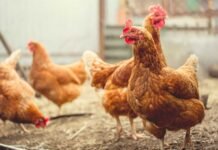
The global poultry industry is at a critical juncture, striving to meet escalating demand while navigating pressing concerns around sustainability and environmental impact. Traditional feed ingredients, heavily reliant on corn and soybean meal, contribute to resource depletion and environmental strain. A groundbreaking solution is emerging from an unexpected source: fruit and vegetable residues (FVRs). Once discarded as waste, FVRs are now being recognized as valuable, eco-friendly, and cost-effective components for poultry diets.
Incorporating FVRs into poultry feed offers a multitude of benefits. From an environmental perspective, it provides a crucial answer to the global food waste crisis, significantly reducing landfill burden and greenhouse gas emissions, thereby fostering a circular economy within agriculture. Economically, FVRs present a compelling cost-cutting strategy. Their low-cost availability can diminish reliance on expensive conventional ingredients, offering greater price stability for producers. Nutritionally, FVRs are powerhouses, abundant in proteins, carbohydrates, essential vitamins, minerals, antioxidants, probiotics, and dietary fiber. These components are vital for enhancing feed digestibility, optimizing nutrient consumption, bolstering immune function, and improving disease resistance, ultimately leading to superior bird performance and overall health.
Despite their immense potential, the widespread adoption of FVRs in poultry feed faces certain hurdles. A key challenge lies in the inherent variability of their nutrient composition, which can fluctuate based on factors like fruit/vegetable variety, processing methods, ripeness, and storage conditions. This variability makes it challenging to consistently formulate diets that meet the precise nutritional requirements of poultry across different production stages. Furthermore, some FVRs may contain anti-nutritional factors or contaminants that, if not properly mitigated, could negatively impact animal health and performance. Practical considerations such as efficient sourcing, handling, processing techniques, palatability issues, and the seasonal availability of certain residues also need to be addressed.
To overcome these challenges, significant research and development are underway. Various processing methods—including physical (like drying), chemical, and novel biological approaches (such as solubilization using microbial systems)—are being explored to enhance the nutritional quality, improve digestibility, and ensure the safety of FVRs. This ongoing comprehensive evaluation of FVRs’ diverse nutritional profiles and their mechanistic roles in improving poultry health is paving the way for future innovations in sustainable feed formulation.
In conclusion, the integration of fruit and vegetable residues into poultry feed formulations represents a pivotal step towards a more sustainable and economically robust poultry industry. By transforming agricultural waste into valuable feed resources, we can simultaneously reduce environmental impact, enhance animal well-being, and contribute significantly to a resilient circular economy. Continued research and strategic implementation are crucial to fully unlock the potential of FVRs, addressing existing challenges and ensuring their extensive adoption in future sustainable poultry production systems.