The way we look at insects has fundamentally shifted over the last two decades. What began as a niche conversation about alternative proteins for animal feed and novelty snacks has evolved into a sophisticated frontier for biotechnology. Today, while insect farming for livestock and pets is a proven, commercialised reality with over 50 active global startups, the real leap for this industry lies in high-value biomolecules. The sector is moving away from being a volume-driven business and becoming a value-driven platform, where insects serve as biological factories for everything from diagnostic reagents to enzymes and regenerative medicine. Scientific validation, existing infrastructure and compelling economics make the timing ideal for innovation.
Insects are not new to the world of food, cosmetics and medicine; we have merely forgotten their historical importance. Ancient Asian medical texts have long detailed how extracts from cockroaches and beetle larvae can treat respiratory ailments or speed up wound healing. In Latin America, cochineal insect have long been used for natural red dyes for textiles and lipsticks for centuries. Even the nutraceutical world uses bee-derived products, leveraging propolis and beeswax for their antimicrobial properties and utilising them for high-end supplements and skincare.
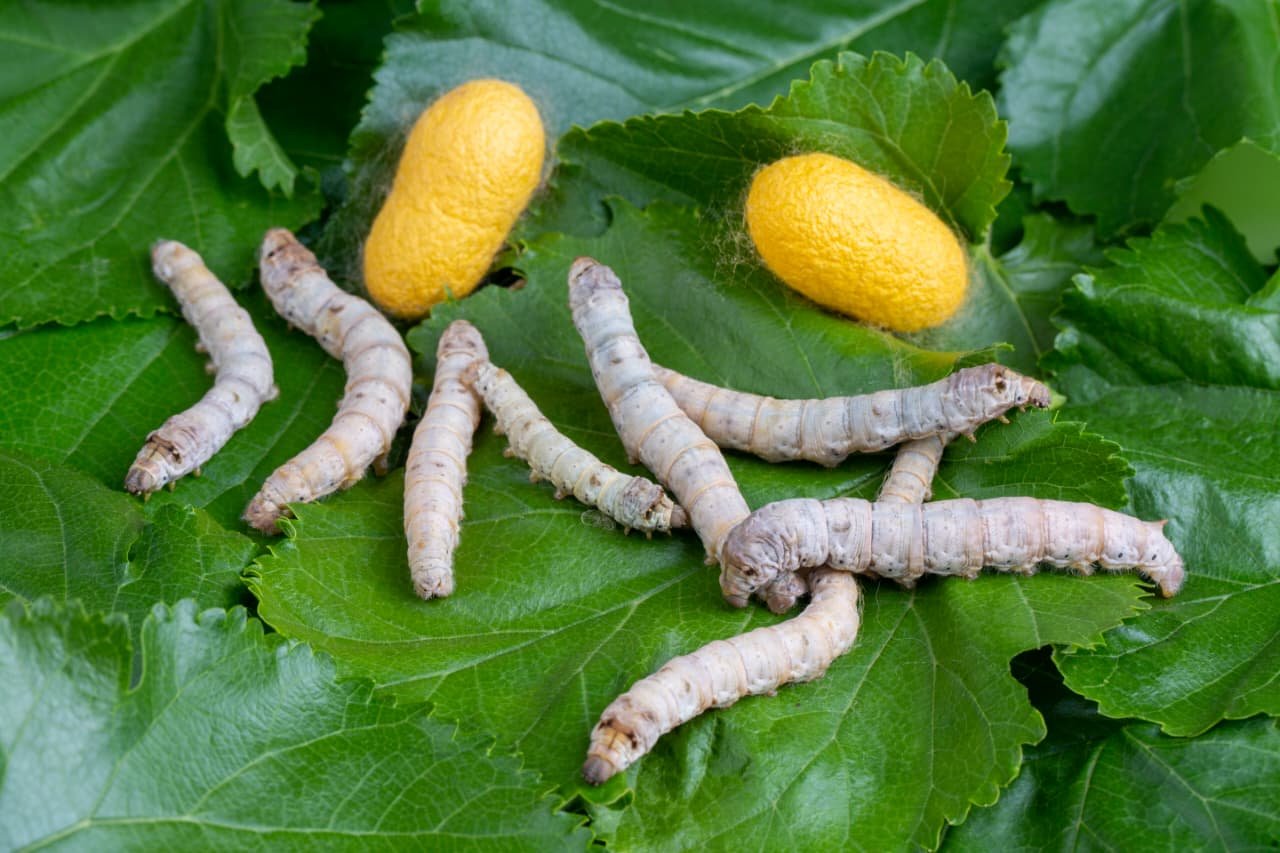
The current biotech revolution goes much further. Insects are now used as transient or transgenic protein expression systems. Traditional mammalian cell cultures require massive capital, operational costs, and longer production times. In contrast, insects such as silkworms (Bombyx mori), fruit flies (Drosophila), and cabbage loopers (Trichoplusia ni) offer fast, cost-effective platforms for producing recombinant proteins—a breakthrough at the intersection of entomology and molecular biology.
This has real-world implications. Nearly half the global population lacks access to essential health services, largely because diagnostics are too expensive. In India, the Indian Council of Medical Research has highlighted this gap, pushing the National Essential Diagnostics List to ensure equitable access. Rapid diagnostic tests for diseases like syphilis, hepatitis B, and vector-borne illnesses rely on recombinant proteins, whose high production costs have historically been a bottleneck. Using insects as living bioreactors allows high-quality proteins to be produced at a fraction of the traditional cost, enabling more affordable diagnostics and advancing SDG 3 of universal health coverage by 2030.
Take silkworms: India is the world’s second-largest silk producer, and silk is over 98% protein, making silkworms one of the most efficient natural protein producers. Companies like AMSilk have engineered silk proteins for medical coatings, surgical meshes, and biocompatible scaffolds. Firms like Fibroheal are exploring silk-derived components for haemostatic bandages, demonstrating applications in emergency medicine.
Silkworms’ potential extends beyond silk. Startups, including Loopworm, are leveraging silkworm pupae to develop:
- Sustainable cell culture media, replacing ethically and financially costly Fetal Bovine Serum (FBS)
- Recombinant proteins for diagnostics and therapeutics
Insect-derived growth factors, albumins, and protein hydrolysates offer high-performance, sustainable alternatives that can significantly reduce R&D costs in biotech and biopharmaceutical industries. Additionally, insects are being explored for specialty enzymes and diagnostic antigens, bridging the gap between animal agriculture and medical innovation.
The future of the insect industry is no longer limited to feed or food. It is about harnessing high-value molecules. Insects are poised to become the new engines of biotechnology, just as vital to laboratories as they have historically been to the loom. At Loopworm, the mission is to prove the humble silkworm’s critical role in shaping the next generation of biotech solutions.
by Ankit Alok Bagaria, Loopworm