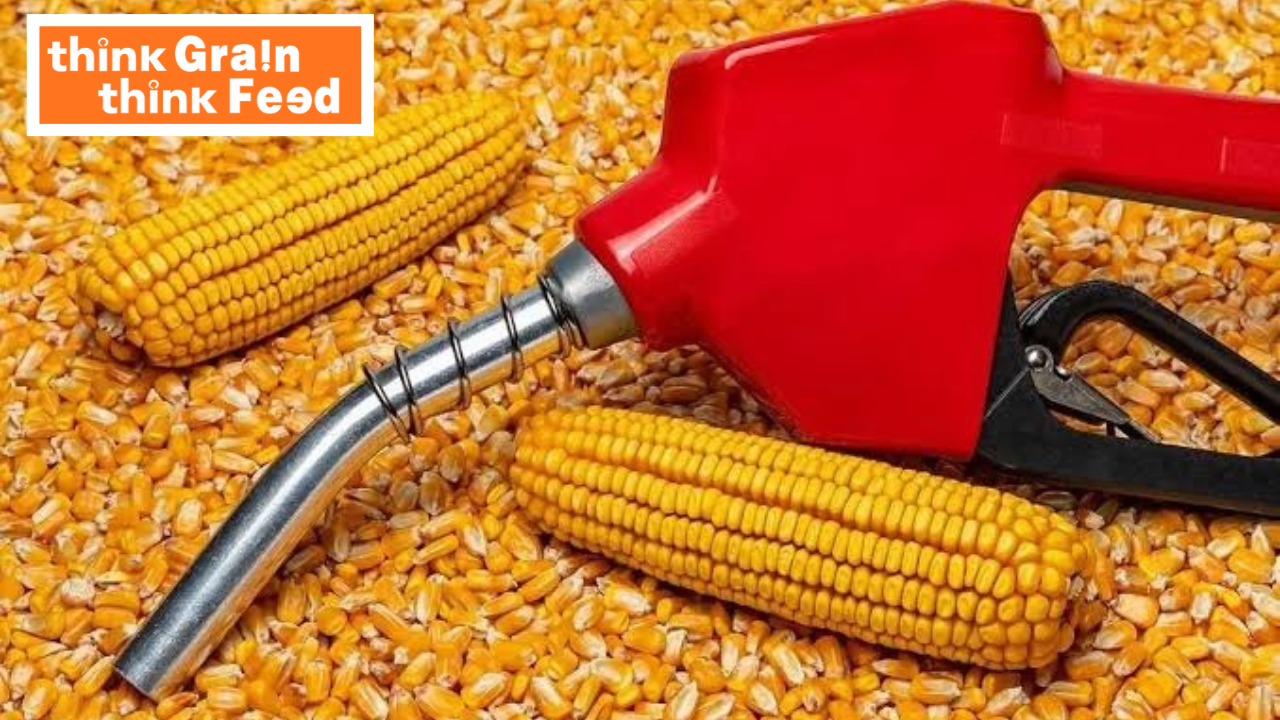
The government’s decision to reduce the procurement price of maize-based ethanol by ₹3 per litre for the 2026–27 Ethanol Supply Year (ESY) has drawn mixed reactions from the grain-based distillery and sugar industries. While grain-based ethanol manufacturers have expressed concern over lower incentives, the sugar industry has broadly welcomed the move.
This marks the first reduction in maize-based ethanol procurement prices since the introduction of the ethanol blending programme. Meanwhile, procurement prices for ethanol produced from C-Heavy Molasses (CHM) and damaged foodgrains, including broken rice, have been retained at ₹57.97 and ₹64 per litre, respectively. The price of FCI-supplied rice has been increased by ₹1.82 per litre.
The revised pricing comes amid concerns over the growing competition between ethanol manufacturers and the animal feed industry for maize supplies. Higher demand from grain-based distilleries has contributed to pressure on maize availability and prices, affecting poultry and livestock feed manufacturers.
Grain Ethanol Manufacturers Association (GEMA) President CK Jain argued that reducing maize-based ethanol incentives while maintaining comparatively attractive rice-based supplies could weaken investment in maize-based production and demand for farmers’ produce. He called for coordinated pricing and allocation policies to ensure viability across feedstocks.
Meanwhile, the Indian Sugar & Bio-Energy Manufacturers Association (ISMA) supported restrictions on ethanol production from sugarcane juice and B-Heavy Molasses, emphasising the need to prioritise domestic sugar availability. ISMA also raised concerns over preferential procurement allocations for dedicated ethanol plants, arguing that these could limit sugar mills’ access to the ethanol market and affect their ability to pay farmers.
The pricing revision could influence maize procurement patterns and competition between industrial and feed-sector consumers. Its impact on maize availability and prices will depend on ethanol demand, feedstock allocation and procurement policies during 2026–27.