
Introduction
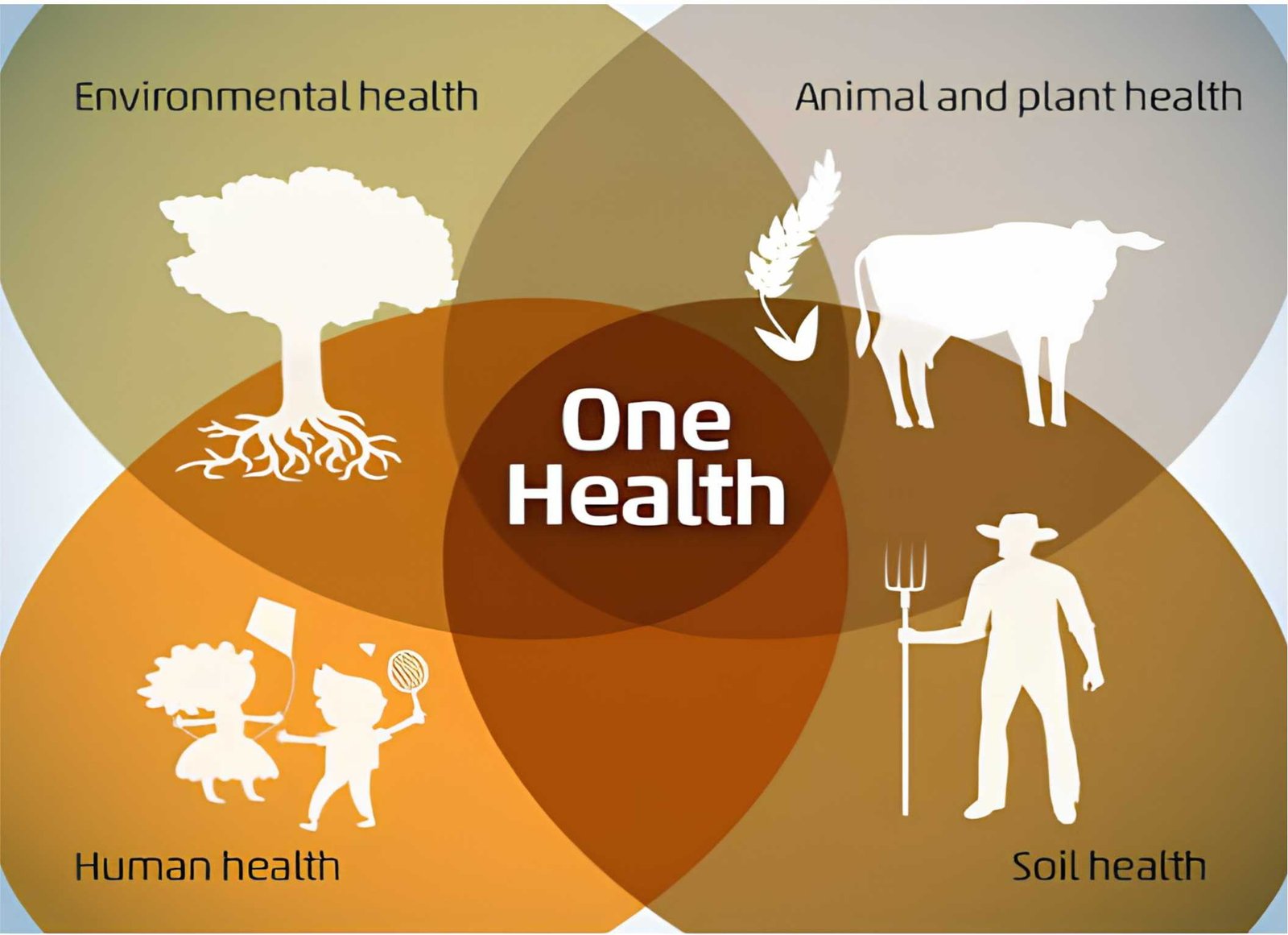
 The One Health approach recognises the interconnectedness of human, animal, plant and environmental health, emphasising the need for coordinated action across disciplines and sectors to address shared health challenges. Although soil health is not explicitly identified as a standalone component of the One Health framework, soil degradation and contamination can have far-reaching implications for agricultural productivity, animal health, food safety and public health.
Soil forms the foundation of the feed–food production chain, influencing crop and fodder nutrition, the accumulation of chemical contaminants and heavy metals, and the movement of biological hazards into livestock production systems. Contaminated feed and fodder can compromise animal health and productivity while introducing chemical residues, mycotoxins and foodborne pathogens into products such as milk, meat and eggs.
Similarly, inappropriate antimicrobial use and the spread of antimicrobial-resistant microorganisms across agricultural and livestock systems pose risks to both animal and human health. In India, intensive agricultural practices, excessive or imbalanced fertiliser and pesticide use, improper disposal of agricultural and livestock waste, soil erosion and salinity can adversely affect soil quality and the safety of crops and fodder.
Integrating soil health into the One Health framework is therefore essential to reducing contamination across the food chain, strengthening agricultural resilience and safeguarding public health.
Soil pollution and declining fertility: An emerging concern
Soil pollution is a major environmental challenge with implications for plant, animal and human health. Agricultural and industrial activities can introduce heavy metals, persistent organic pollutants (POPs), pesticides, pathogens and microplastics into agricultural soils. These contaminants can disrupt soil ecosystems, impair fertility and enter the food and feed chains through crops and fodder, potentially accumulating in animal tissues and products such as milk and meat.
Soil degradation is further compounded by salinity and sodicity. Approximately 6.73 million hectares of land in India are affected by salinity, while sodic soils are characterised by excessive exchangeable sodium, poor soil structure, reduced water infiltration and limited nutrient availability. These conditions restrict plant growth, disturb beneficial microbial communities and reduce agricultural productivity.
Nutrient deficiencies present another significant challenge. Assessments based on Indian Soil Health Card data indicate that 64% of soil samples are low in nitrogen and 48.5% are low in soil organic carbon. Some soil fertility studies have also reported deficiencies in available phosphorus in approximately 90% of samples and potassium in around 50%. Further assessments across 29 states indicate deficiencies of approximately 41% in sulphur, 36% in zinc and 23.2% in boron, alongside deficiencies in iron, manganese and copper.
These findings highlight the widespread and often multiple nutrient deficiencies affecting Indian soils. Addressing them requires balanced fertilisation, improved organic matter management and integrated soil fertility practices tailored to local soil conditions.
Balanced nutrient management for sustainable agriculture
India’s increasing dependence on chemical fertilisers reinforces the need to place soil health at the centre of sustainable agricultural development. Fertiliser consumption reportedly increased from approximately 92 kg/ha in 2001–02 to 150 kg/ha in 2024–25, reflecting growing nutrient demand.
However, fertiliser application remains heavily skewed towards nitrogen. Against a recommended Nitrogen:Phosphorus:Potassium (N:P:K) ratio of 4:2:1, India’s fertiliser consumption ratio reportedly shifted from 6.6:2.6:1 in 2018–19 to 10.9:4.4:1 in 2023–24, having reached 11.8:4.6:1 in 2022–23. Such imbalances can contribute to the depletion of other essential nutrients and the deterioration of soil health when nutrient management is not guided by soil testing.
Maintaining soil fertility requires a more integrated approach that combines chemical fertilisers with organic manure, crop-residue recycling, biofertilisers and soil-test-based nutrient management. Sustainable land-use practices, pollution monitoring, phytoremediation and bioremediation can further support the restoration of degraded soils and help minimise environmental contamination.
Together, these measures can improve crop and fodder quality, reduce the movement of contaminants through the food chain and strengthen the Soil–Crop/Fodder–Animal–Food–Human Health pathway that underpins the One Health approach.
Soil microbiome and mineral nutrition: Foundations of animal productivity
Soil health influences livestock productivity not only through the quantity and quality of available feed but also through the nutritional composition of crops and fodder. Minerals are essential for structural development, metabolism, enzymatic activity and physiological regulation in animals. Variations in soil mineral availability can affect the mineral composition of feed, influencing animal growth, reproductive efficiency and overall productivity.
The soil microbiome is another critical component of soil health. It comprises bacteria, fungi, archaea and other microorganisms that interact with plant roots, improve nutrient and water availability, contribute to nitrogen cycling and support plant growth. Unsustainable agricultural practices and poor land management can alter these microbial communities, affecting soil fertility and ecosystem functioning.
Global food security depends not only on current agricultural output but also on the capacity of farming systems to sustain production over the long term. Protecting soil biodiversity, maintaining organic matter and adopting sustainable soil management practices are therefore essential to preserving agricultural productivity, strengthening climate resilience and ensuring a reliable supply of safe, nutritious feed and food.
Feed safety and antimicrobial resistance: Connecting agriculture with public health
Antimicrobial resistance (AMR) represents a major One Health challenge because resistant microorganisms and antimicrobial resistance genes can move between animals, humans and the environment. In livestock production, inappropriate antimicrobial use, including use at subtherapeutic levels for growth promotion or routine prophylaxis, can exert selective pressure on microbial populations.
Resistance genes exert selective pressure on gastrointestinal microbiota accelerating horizontal gene transfer, including mechanisms involving plasmids, transposons and integrons. Resistant bacteria and resistance genes can subsequently enter the environment through manure, agricultural runoff and inadequately managed livestock waste, potentially contaminating soil and water and contributing to their spread across ecosystems.
Addressing AMR requires responsible antimicrobial use, stronger veterinary oversight, effective farm biosecurity, improved waste management and coordinated surveillance across human, animal and environmental health systems.
Feed safety is equally important. Chemical contaminants, heavy metals, pathogens and mycotoxins can compromise animal health and productivity while creating potential risks for consumers. Mycotoxins are toxic secondary metabolites produced by fungi, including species of Aspergillus, Fusarium and Penicillium. Their occurrence in feed ingredients can be influenced by environmental conditions, crop stress, harvesting practices and storage management.
Aflatoxin contamination is particularly significant in dairy production. After animals consume feed contaminated with aflatoxin B1, the toxin can be metabolised in the liver into aflatoxin M1, which may be secreted into milk. Reported carry-over rates range from 0.3% to 6.2%, depending on factors such as milk yield and animal physiology.
Aflatoxin M1 is classified as a Group 1 carcinogen and can persist through conventional milk processing, including pasteurisation and ultra-high-temperature treatment. Consequently, controlling contamination at the feed stage is critical to protecting milk safety. The Codex Alimentarius Commission has established a maximum level of 0.5 µg/kg for aflatoxin M1 in milk, while the European Union applies a stricter limit of 0.05 µg/kg.
These risks reinforce the importance of regular feed testing, appropriate storage, effective mycotoxin management and robust quality-control systems throughout the feed–food chain.
Feed hygiene: Controlling hazards from raw materials to the farm
Feed hygiene is a critical component of the One Health approach and must extend across the entire feed supply chain—from raw material sourcing, transportation, storage and handling to manufacturing, processing, packaging, distribution and on-farm feeding. Contamination at any stage can compromise animal health, reduce production efficiency and introduce hazards into the human food chain.
At feed manufacturing plants, incoming raw materials should be assessed for relevant hazards, including mycotoxins, pathogenic microorganisms, pesticide residues and heavy metals. Proper warehouse sanitation, moisture control, ventilation and effective pest and rodent management are essential to prevent contamination during storage.
Within the manufacturing process, routine cleaning and maintenance of grinders, mixers, conveyors, pelletisers, coolers and storage silos help minimise microbial build-up and cross-contamination. Appropriate temperature and moisture management during conditioning, pelleting, cooling and storage can limit microbial proliferation and fungal growth. However, pelleting alone cannot guarantee the elimination of pathogens or preformed mycotoxins; appropriate hazard controls and verification remain necessary.
Implementing Good Manufacturing Practices (GMP), Hazard Analysis and Critical Control Points (HACCP), routine microbiological and chemical monitoring, and batch-level traceability can help identify and control hazards throughout production and distribution. These systems should be complemented by documented sanitation procedures, supplier assessments and corrective actions when contamination is detected.
Feed hygiene must continue at the farm level. Clean, dry storage areas, hygienic feeding equipment, rodent and insect control, and protection against contamination from animal faeces, soil and stagnant water are essential to preserving feed quality. Regular inspection of storage facilities and feeding systems can help identify moisture ingress, spoilage and other potential sources of contamination.
Pathogens such as Salmonella enterica, Clostridium perfringens and Escherichia coli are relevant to feed hygiene and food safety. In particular, Salmonella can survive for extended periods in low-moisture feed environments and may persist despite some thermal processing treatments. Contaminated feed can introduce the pathogen into poultry production systems, while infected birds and contaminated environments can contribute to its spread. Subsequent contamination of meat or eggs may expose consumers to salmonellosis, which can cause serious illness, particularly in vulnerable individuals.
An effective feed hygiene programme therefore requires a preventive, end-to-end approach that combines raw material testing, process controls, sanitation, traceability and farm-level biosecurity. By reducing biological and chemical hazards at multiple control points, the feed industry can help protect livestock productivity, improve food safety and strengthen the One Health framework.
Silage management: Protecting animal health and the environment
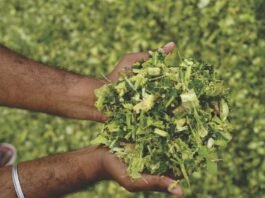
Silage preservation is another important control point within the One Health framework. Inadequate compaction, poor sealing or structural damage during storage can allow oxygen to enter the silo, resulting in aerobic spoilage and encouraging the growth of opportunistic pathogens like Listeria monocytogenes and mycotoxin-producing fungi.
Contaminated silage can expose livestock to clinical pathologies such as Listerial encephalitis and immunosuppressive mycotoxicosis. Feed contaminated with aflatoxin B1 may also contribute to aflatoxin M1 residues in milk, creating a direct link between feed quality and consumer safety.
The environmental consequences of poor silage management must also be considered. Nutrient-rich silage effluent, if improperly collected or disposed of, can contaminate surrounding soil and water, contribute to localised acidification and promote eutrophication in aquatic ecosystems.
Effective silage management therefore requires appropriate harvesting, adequate compaction, airtight sealing, regular inspection and hygienic feed-out practices. Proper effluent collection and disposal are equally important to prevent environmental contamination and protect animal, human and ecosystem health.
Zoonotic diseases and the animal–wildlife–environment interface
The interconnectedness of soil, water, livestock and human health is also evident in the transmission of zoonotic pathogens. Organisms such as Shiga toxin-producing Escherichia coli (STEC), Brucella abortus and Mycobacterium bovis can circulate within livestock systems and contaminate the surrounding environment. Human exposure may occur through contaminated food, unpasteurised dairy products, inadequately cooked meat or occupational contact with infected animals.
The World Health Organization estimates that contaminated food causes approximately 600 million illnesses worldwide each year, underscoring the importance of preventive measures across the food production chain. Strengthening hygiene, animal health monitoring, food processing standards and traceability can help reduce these risks.
Poultry production also requires sustained attention to biosecurity and emerging infectious diseases, including highly pathogenic avian influenza (HPAI) H5N1. Interactions among domestic poultry, wild birds and other wildlife can create opportunities for pathogen transmission across species and ecosystems. HPAI outbreaks can cause substantial mortality in wild bird populations and affect other susceptible wildlife, including some mammalian species. The potential for zoonotic transmission makes effective surveillance and prevention particularly important.
Changes in land use, habitat disruption and inadequate livestock waste management can alter wildlife movement and bring wild animals into closer contact with livestock and farm environments. Such interactions may increase opportunities for pathogen exchange in either direction. Deforestation and climate-related environmental changes can also alter the distribution of ticks and biting insects, potentially expanding the geographical range of vector-borne diseases such as Bovine Ephemeral Fever and Newcastle diseases.
These environmental changes can influence the wider disease landscape, although diseases such as Newcastle disease are primarily transmitted through infected birds, contaminated materials and other direct or indirect exposure routes rather than through insect vectors.
Addressing these overlapping threats requires coordinated biosecurity, molecular and epidemiological surveillance at the livestock–wildlife interface, appropriate farm hygiene and sustainable waste management. Timely detection and coordinated responses can help limit pathogen transmission and reduce risks across the human–animal–environment continuum.
A coordinated One Health approach for a safer food system
Soil health, animal nutrition and food safety form an interconnected biological continuum, demonstrating that the integrity of the human food supply is fundamentally linked to the condition of agricultural soils. Healthy, biologically active soils support nutrient uptake and crop productivity, while appropriate soil management can help reduce the availability and movement of certain contaminants.
Adopting a holistic One Health framework highlights the importance of biologically diverse, resilient soils in optimising the uptake of essential macro- and micronutrients by forage crops, thereby supporting livestock health and productivity. Healthy soils can also contribute to environmental protection by immobilising certain heavy metals, facilitating the degradation of specific chemical residues and supporting microbial processes that may suppress some soilborne pathogens. These benefits, however, depend on soil characteristics, the nature of the contaminants and the management practices employed.
For India, integrating soil health into One Health strategies offers an opportunity to strengthen agricultural sustainability while improving livestock productivity and protecting consumers. Key priorities include balanced nutrient management, regular soil testing, organic matter restoration, responsible antimicrobial use, feed quality monitoring, effective silage preservation, improved waste management and coordinated disease surveillance.
Transitioning from input-intensive practices towards regenerative and resource-efficient agricultural systems is therefore an important step towards restoring soil function, reducing contaminant transfer and minimising bioaccumulation risks across the food chain. Combined with rigorous feed hygiene, effective farm biosecurity and robust food safety systems, these practices can help sustain livestock welfare, strengthen climate resilience and safeguard long-term food security and public health.
Ultimately, a resilient food system depends on collaboration among farmers, feed manufacturers, veterinarians, researchers, policymakers and the wider livestock industry. By recognising the links between soil, crops, feed, animals, food and people, the One Health approach can support more sustainable agricultural practices, safer animal-derived foods and lasting protection of human and environmental health.
By Dr. Amit N. Sharma, Dr. Tushar S. Gongale, Godrej Agrovet Ltd.