“THE NEXT DECADE MUST BE ABOUT QUALITY GROWTH”
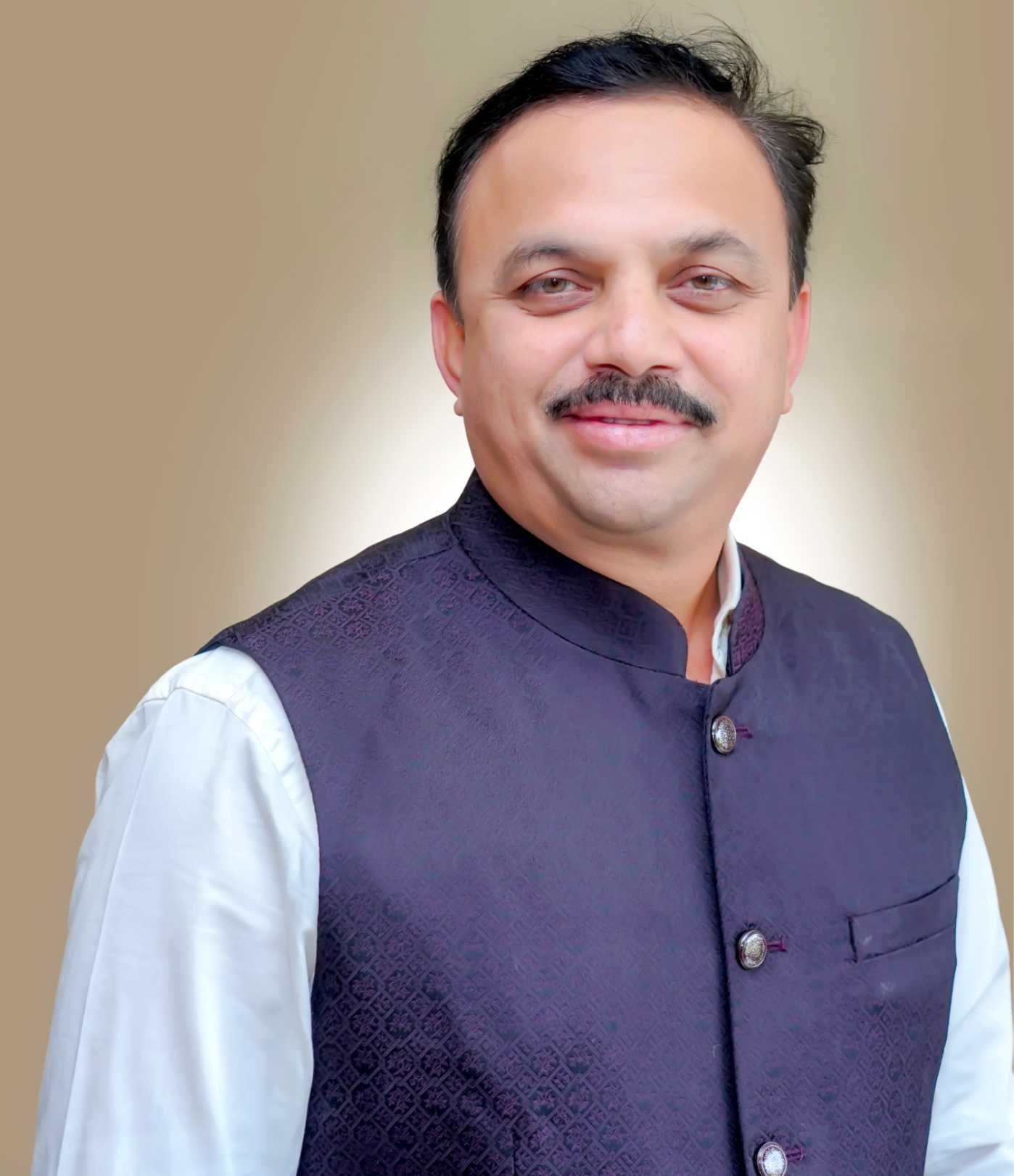
An exclusive conversation on dairy’s next decade, farmer profitability, technology, genetics, sustainability and the changing face of Indian dairy farming with Dr Yogesh Godbole, MD, Gokul
India’s dairy sector is entering a new phase. The country remains the world’s largest milk producer, with production rising from 239.30 million tonnes in 2023–24 to 247.87 million tonnes in 2024–25. But the next chapter cannot be defined by volume alone.
The more important question is whether every litre of milk can generate better returns for the farmer. With nearly five lakh milk producers associated with Gokul, the focus is increasingly shifting towards productivity, scientific animal management, technology, quality and sustainable farm economics.
For a farmer, producing more milk does not necessarily mean earning more. What matters is how much income remains after meeting the cost of producing that milk.
| 247.87 MT | 485 g/day | ~5 lakh |
| Milk production, 2024-25 | Per-capita availability | Gokul milk producers |
For Maharashtra, the opportunity is significant. The state contributes around 6–7% of India’s milk production and has a strong dairy ecosystem, experienced producers and access to major consumption markets. Yet feed costs, climate variability, animal health, reproductive efficiency and quality breeding material remain important challenges.
THE COOPERATIVE AS A PARTNER, NOT JUST A BUYER
For a farmer-owned cooperative, commercial strength and farmer welfare are closely connected. Gokul has developed 32 farmer-oriented schemes and services covering animal health, breeding, nutrition, productivity, cattle feed, calf development and digital services.
| 32 | INR 23.50 cr | INR 103 cr |
| Farmer-oriented schemes & services | Pension corpus as of March 2026 | Cumulative calf-rearing subsidy |
One of the distinctive initiatives is the Farmer Pension Scheme. Under the scheme, the cooperative society contributes 10 paise per litre, the milk producer 15 paise and Gokul 15 paise, taking the total contribution to 40 paise per litre. As of March 2026, approximately INR 23.50 crore had accumulated through LIC.
Veterinary services are available at around INR 60, while artificial insemination, cattle-purchase assistance, cattle-shed subsidies, subsidised cattle feed, calf-rearing programmes and digital services are intended to improve the producer’s overall economics.
A cooperative should help farmers save, earn and secure their future.
THE THREE LEVERS OF FARMER PROFITABILITY
- Feed & Fodder Management
Feed is among the largest costs in dairy farming. The objective should not be simply to feed more, but to feed the animal according to its actual nutritional requirement.
Gokul’s Ration Balancing Programme has produced encouraging results, with an average increase of around 440 ml of milk per animal per day and reported savings of approximately INR 2.72 per litre in feeding costs—equivalent to around INR 14,000 additional annual income per animal.
Since February 2025, mineral mixture has also been supplied at subsidised rates, with around INR 17 crore provided as subsidy. Gokul has strengthened its PTMR plant to 48 MT/day and is planning to manufacture ready-to-eat conventional TMR to address dry-fodder scarcity.
- Productivity Per Animal
More animals do not automatically mean more profit. Better genetics, scientific nutrition, veterinary care and farm management can improve productivity from existing animals without a proportionate increase in cost. Feed efficiency should also be considered, as converting feed more efficiently into milk can directly improve farm profitability.
- Reproductive & Animal Health
Every unproductive day carries an economic cost. Timely breeding, disease prevention and early identification of health problems can reduce unproductive periods and improve the economics of the herd.
The objective is to generate more saleable milk from every rupee invested in the animal.
FODDER SECURITY IS MILK SECURITY
Gokul’s nutrition strategy combines ration balancing, fodder development, silage and PTMR. The Ration Balancing Programme has covered more than 1.88 lakh animals, 96,000+ milk producers and 927 villages.
To improve fodder availability, farmers receive quality fodder seeds with a 30% subsidy, along with support for silage bags and silo pits. Gokul has also invested in fodder harvesting and silage infrastructure.
The focus is increasingly on replacing inconsistent feeding practices with scientifically prepared silage and balanced rations that provide better-quality fodder throughout the year.
PTMR capacity has increased from 10 MT/day to 40 MT/day, reflecting growing farmer acceptance of scientifically balanced feeding.
Fodder security is becoming an important part of milk-production security.
BREEDING THE DAIRY ANIMAL OF TOMORROW
Genetic improvement is a long-term investment. Gokul is using high-genetic-merit semen, sex-sorted semen and IVF technology to accelerate genetic progress, particularly in buffaloes.
So far, 28 animals have successfully conceived through IVF technology, while around 270 AI technicians provide doorstep artificial insemination services at approximately INR 50 per AI. The calf-rearing programme, which began in 2005, has provided around INR 103 crore in cumulative subsidy support.
The goal is not to create larger herds simply for the sake of size. It is to develop healthier, more productive and genetically stronger animals.
THE FARM IS BECOMING A DATA CENTRE
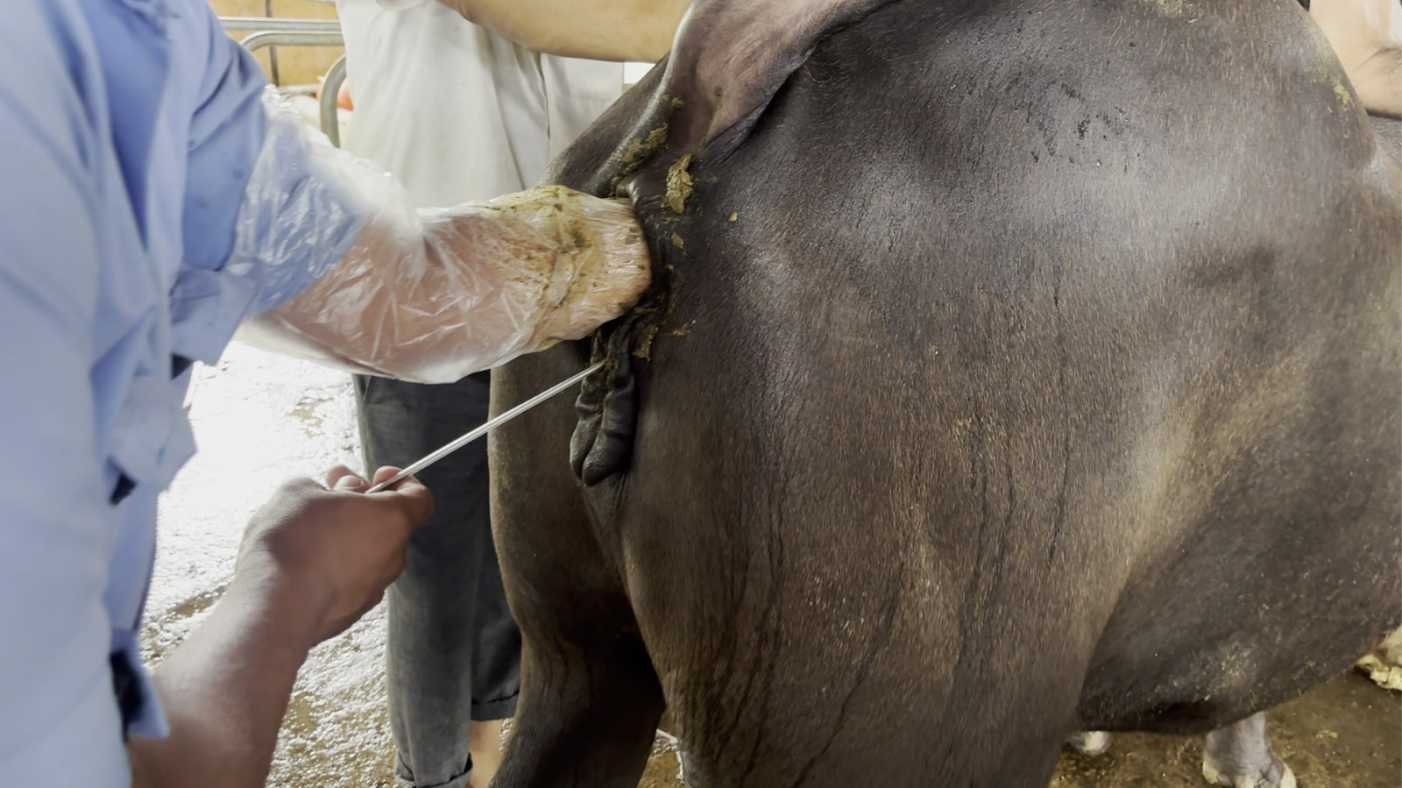 The dairy farm of the future will generate considerably more information than the farmer has traditionally had access to.
Sensors can monitor movement, rumination, feeding behaviour, temperature and resting patterns. Artificial intelligence can analyse these signals and alert the farmer to changes that might otherwise go unnoticed.
A proposed unique digital identity for every animal could eventually create a lifelong record covering health, breeding, vaccination, production and management.
This creates an opportunity to move from reactive farming towards preventive and predictive management.
AI cannot replace the farmer or the veterinarian. It will help them see things earlier, analyse information better and take timely decisions.
Technology, therefore, should remain a decision-support tool rather than an end in itself.
QUALITY IS A JOURNEY
Milk safety begins long before the processing plant. Animal health, feed, water, medicines, milking hygiene, collection, chilling, transportation and processing all influence the final quality of milk.
Gokul’s Ethno-Veterinary Medicine initiative includes its own preparation plant and six herbal products. The programme supports preventive animal healthcare through the use of herbal and alternative therapies, including homeopathic medicines, where appropriate. It can help reduce the unnecessary use of antibiotics, while recognizing that antibiotics remain essential when medically indicated.
Feed quality and aflatoxin control are another priority. Gokul focuses on quality feed and fodder, uses toxin binders in cattle feed and promotes proper fodder drying, storage and silage management. Fodder-bank initiatives and farmer awareness programmes further support this preventive approach.
At the collection level, Gokul uses FT1 and FT3 machines for rapid identification of 19 types of adulteration and residue screening.
It’s cold-chain infrastructure includes 69 Bulk Milk Coolers, four chilling centres, one satellite dairy and three packing stations, supporting timely chilling and hygienic milk handling.
Quality is a culture. It depends on the farmer who stores feed correctly, the technician who performs the right test, the collection centre that maintains hygiene and the processing plant that follows disciplined systems.
THE NEXT GENERATION MUST SEE DAIRY DIFFERENTLY
For young people, dairy farming must become more than a traditional occupation. It needs to offer income, dignity, technology, professional growth and a sense of the future.
Young farmers can increasingly use digital records, data, scientific breeding, ration management, automation and professional financial management. Opportunities extend beyond milk production into fodder, heifer rearing, animal services, logistics, milk collection, dairy products and direct marketing, which can create new entrepreneurial opportunities across the dairy ecosystem.
The larger objective is to transform dairy from an inherited occupation into an enterprise that the next generation can build, expand and take pride in.
WASTE TO VALUE
Sustainability is increasingly becoming part of dairy economics.
Gokul’s 6.5 MWp solar project generates around 10.4 million kWh annually, delivers approximately INR 6 crore in annual savings and reduces around 4,056 tonnes of CO₂ emissions annually.
 Rooftop solar at cattle feed plants and solar systems at 12 Bulk Milk Cooler locations extend renewable-energy use across the cooperative. Concentrated Solar Thermal systems provide hot water for can and crate washing and tanker cleaning, reducing fossil-fuel consumption. Energy-recovery systems, including micro-turbines using methane generated during effluent treatment, further improve resource efficiency.
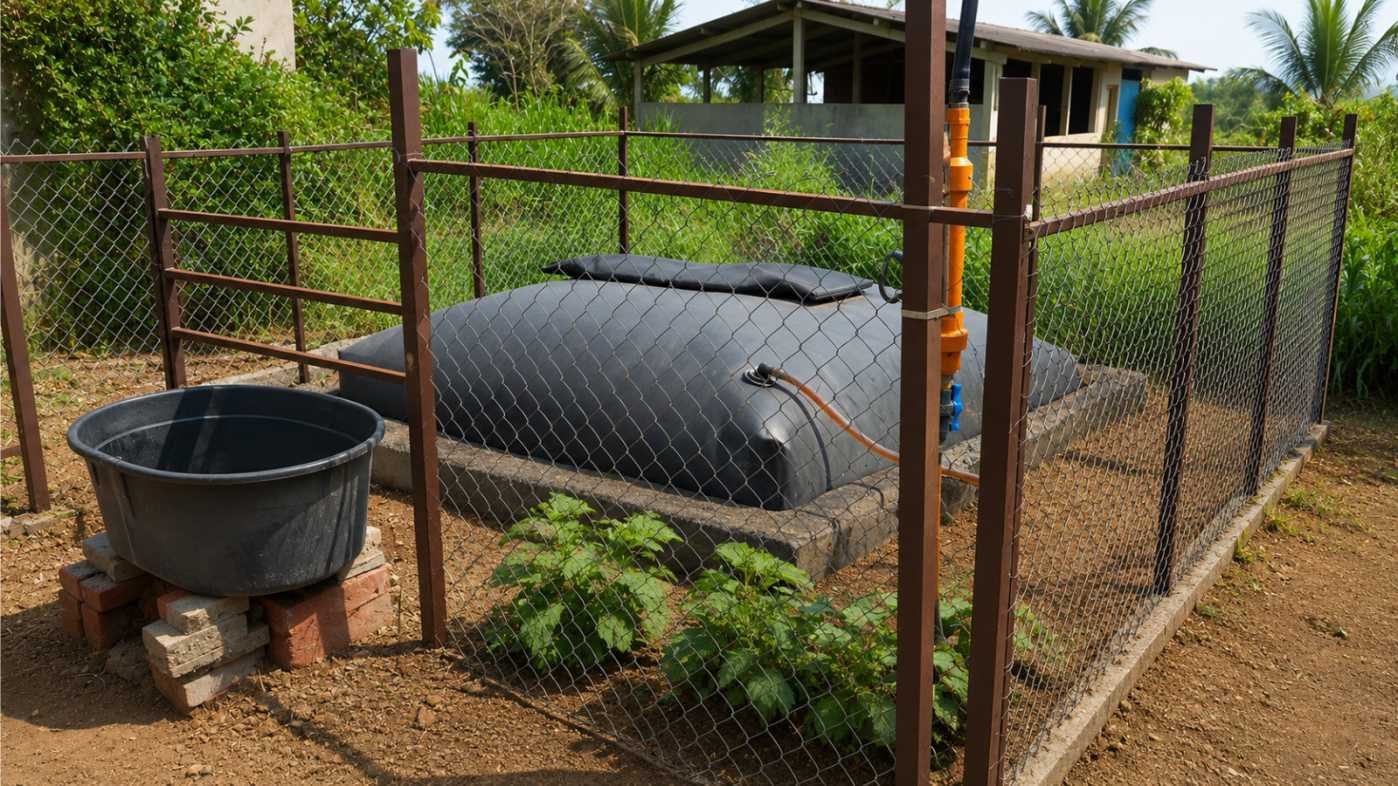
At producer level, 8,669 biogas plants of 2/3 m³ capacity have been installed under the carbon-credit programme with support from NDDB, backed by approximately INR 28.18 crore in subsidies. The plants utilise cattle dung to generate clean cooking energy and are estimated to reduce around 72,800 tonnes of CO₂ equivalent annually, while reducing household dependence on firewood and cooking fuel.
The long-term vision is a circular dairy system in which milk production, animal nutrition, manure, energy, water and agriculture are connected rather than treated as separate activities.
THE FARMER OF THE FUTURE
If Indian dairy farming is to evolve from milk production into profitable, technology-enabled and sustainable entrepreneurship, three priorities stand out:
Productivity: Produce better-quality milk at lower cost while improving output from each animal.
Professional Management: Track production, expenses, breeding, health, labour and cash flow, and use this information to make better decisions.
Value Creation: Move beyond simply selling milk and create value through quality, fodder, manure, digital services and new dairy enterprises.
“Our objective should not be only to produce more milk; it should be to create a better livelihood from every litre of milk produced.”
THE NEXT CHAPTER OF INDIAN DAIRY BEGINS WITH THE FARMER.