Key Insights from the VIP Technical Webinar Series – April 2026
Executive Overview
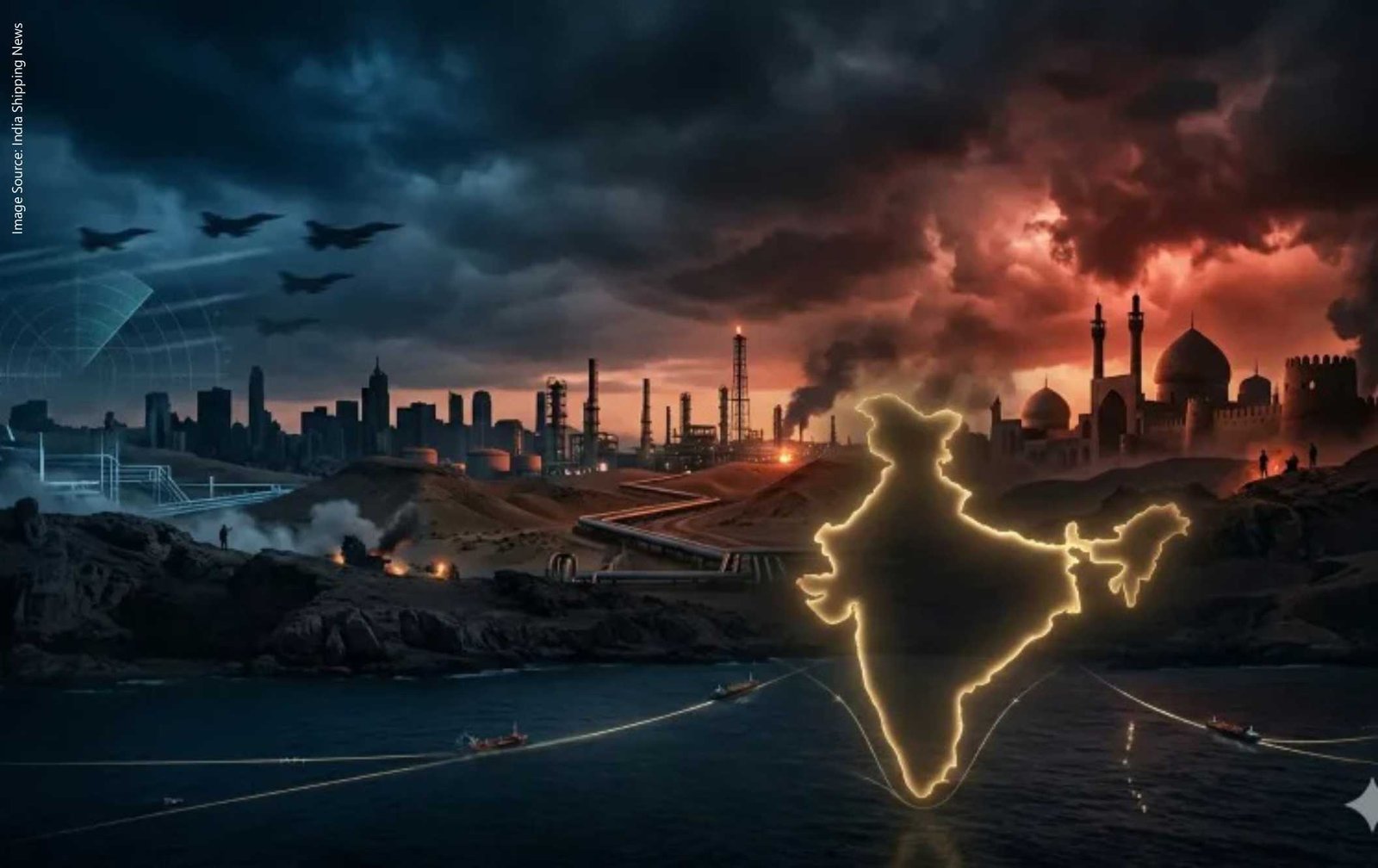
The Indian poultry sector is currently facing a phase of significant uncertainty driven by the ongoing geopolitical crisis in West Asia. As highlighted during the recent VIP Technical Webinar Series, the conflict has disrupted global supply chains, particularly those linked to crude oil and petroleum byproducts, creating cascading effects across feed, logistics, exports, and animal health.
India’s heavy reliance on West Asian markets for energy and critical inputs has amplified the impact, forcing the industry to rapidly adapt to evolving challenges.
Supply Chain Disruptions and Nutritional Challenges
One of the most immediate concerns is the disruption in the availability of essential feed ingredients. Amino acids such as methionine—closely linked to petroleum derivatives—are in short supply, while fermentation-based amino acids like lysine, threonine, and valine are also affected.
Experts noted that:
- Prices of key inputs, including Meat and Bone Meal (MBM), have nearly doubled
- Packaging costs (PP bags) have risen by 30–40%
- Transportation costs have surged significantly, impacting ingredient pricing
Additionally, shortages of Di-Calcium Phosphate (DCP) and Mono-Calcium Phosphate (MCP), linked to fertilizer industry disruptions, have compounded formulation challenges. Rising oil prices have further limited the use of fats and oils in feed, particularly during the summer season when energy balancing is critical.
Field-Level Realities: Insights from Industry Experts
During the webinar moderated by Dr Ajit Ranade, panelists highlighted the ground-level impact:
- Dr Ajay Deshpande emphasized disruptions in amino acid and additive availability, with suppliers demanding advance payments and traders capitalizing on volatility.
- Dr Sharad Singh reported a sharp decline in chick placements (30–40%) in North India, reduced consumption due to falling restaurant demand, and a 4–5 times increase in expansion costs.
- Dr Manju NC highlighted global shortages in protein sources, phosphorus, and methionine, urging the industry to explore alternative raw material combinations and innovative formulations.
Export Crisis and Market Distortions
The export segment, particularly in South India’s Namakkal hub, is facing a severe crisis. Over 125 containers of eggs were stranded at ports such as Mumbai and Cochin due to shipping disruptions and “force majeure” conditions.
Key challenges include:
- Freight costs escalating from $1,800 to nearly $9,500
- Additional war-related surcharges significantly increasing shipping costs
- Delays leading to product expiry
Mr Valsan Parmeshwaran highlighted the urgent need for streamlined export certifications, noting that differing requirements (EIC and AQCS) across countries are creating operational bottlenecks.
Regional Market Dynamics
The crisis has created contrasting regional trends:
- North India: A “panic phase” marked by reduced institutional demand and declining placements
- South India: Stable domestic demand but falling prices due to export disruptions, with egg prices dropping to unsustainable levels (around INR 3.5 per egg)
Animal Health and Vaccine Security
The webinar also underscored India’s continued dependence on imported vaccines, particularly for IB variants and Genotype VII strains.
- Prof. Dr Pankaj Shukla noted that policymakers are closely monitoring the situation and considering import duty adjustments to stabilize costs.
- Dr I Balasundaram highlighted rising disease challenges, including Egg Drop Syndrome (EDS) and Avian Metapneumovirus (AMPV), along with declining hatchability rates.
The ongoing threat of HPAI further emphasizes the need for stronger vaccination policies and domestic manufacturing capabilities.
Strategic Interventions and Industry Response
Experts collectively emphasized the need for adaptive and resilient strategies:
- Nutritional Flexibility: Use alternative ingredients such as rapeseed meal, maize gluten, and rice DDGS
- Inventory Management: Avoid abrupt withdrawal of additives; instead, optimize usage
- Cost Optimization: Focus on feed conversion efficiency rather than expansion
- Policy Support: Advocate for reduced import duties, standardized export certifications, and domestic production of amino acids and vaccines
- Farm Management: Strengthen biosecurity, improve water quality, and ensure proper waste disposal
The Way Forward
The Indian poultry industry has demonstrated resilience in past crises, including avian influenza outbreaks and the COVID-19 pandemic. However, the current geopolitical disruption requires a more strategic and coordinated response.
A key takeaway from the webinar was the need to pause aggressive expansion and prioritize efficiency, innovation, and self-reliance. Strengthening domestic production capabilities and adopting flexible nutritional strategies will be critical in navigating the current uncertainty.
We acknowledge the valuable inputs and observations shared by Dr Sujit Reddy based on the webinar proceedings.
by Gaurav Chander, Think Grain Think Feed