A recent study published in Biochar presents an innovative approach to livestock nutrition that addresses both animal health and the growing global concern of antimicrobial resistance (AMR). The research demonstrates how biochar—produced from agricultural residues such as chestnut shells and vine prunings—can be used as an advanced delivery system for lysozyme, a naturally occurring antimicrobial enzyme. This approach has the potential to enhance the effectiveness of functional feed additives while reducing reliance on conventional antibiotics.
Biochar, a carbon-rich material traditionally used for soil improvement, possesses a highly porous structure and reactive surface chemistry. These characteristics make it an ideal carrier for bioactive compounds. In this study, researchers utilized biochar to immobilize lysozyme molecules, improving their stability and enabling controlled release within the digestive system of livestock.
One of the key challenges with bioactive compounds like lysozyme is their instability in the acidic conditions of the stomach. The study addressed this by designing a pH-responsive delivery system. Under acidic gastric conditions, the biochar–lysozyme complex remains stable, protecting the enzyme from degradation. As the complex moves into the more neutral pH environment of the intestine, lysozyme is gradually released, allowing it to exert its antimicrobial effects where they are most beneficial.
This targeted release mechanism represents a significant advancement over traditional feed additives. It ensures that the bioactive compound remains intact during digestion and is delivered at the optimal site of action, thereby improving gut health and reducing pathogen load.
The implications of this innovation are particularly relevant in the context of antimicrobial resistance. The overuse of antibiotics in livestock production has contributed to the emergence of resistant pathogens, posing risks to both animal and human health. Functional alternatives such as lysozyme offer promise, but their effectiveness has been limited by stability issues. The biochar-based delivery system provides a practical solution by enhancing the durability and efficacy of such compounds.
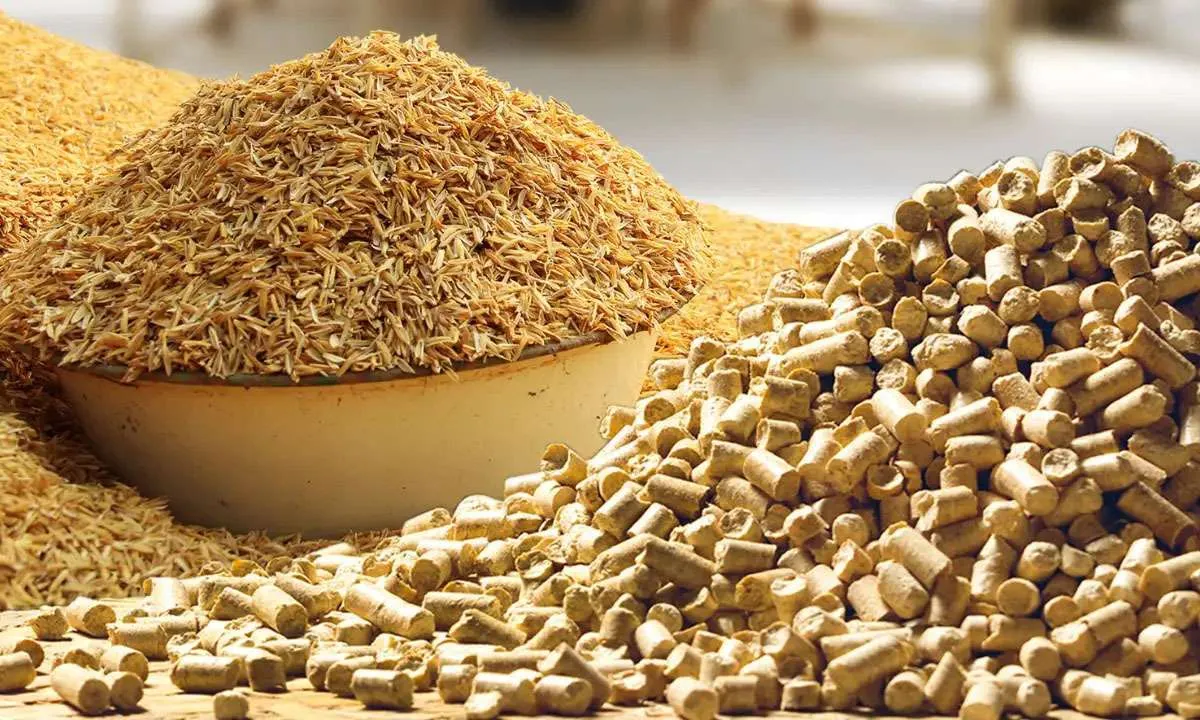
Another notable aspect of the study is its sustainability. The biochar used was derived from agricultural waste materials that are often discarded or burned, contributing to environmental pollution. Converting these residues into high-value feed additives supports circular economy principles, reducing waste while creating functional products for livestock production.
The process of binding lysozyme to biochar was achieved through a simple, aqueous-based method, avoiding the need for harsh chemicals or complex synthesis. Both types of biochar tested showed strong binding capacity and uniform distribution of the enzyme, which is critical for consistent performance and controlled release.
Beyond livestock nutrition, this research opens avenues for broader applications. The concept of using biochar as a delivery platform could be extended to human nutrition and pharmaceuticals, where protecting sensitive compounds from gastric degradation remains a challenge.
Importantly, the approach is adaptable. Biochar properties can be tailored based on raw materials and processing conditions, allowing customization for different species, production systems, or bioactive compounds. This flexibility makes it a promising platform for future innovations in feed and health management.
In conclusion, this study demonstrates how agricultural waste can be transformed into a high-value, functional solution for livestock nutrition. By combining material science, sustainability, and animal health, biochar-based delivery systems offer a practical pathway toward reducing antibiotic dependence and improving production efficiency. As the industry moves toward more sustainable and responsible practices, such innovations are likely to play a critical role in shaping the future of animal nutrition.