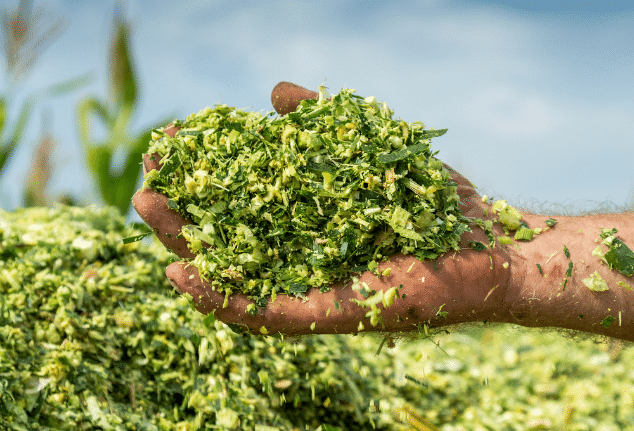
Agricultural experts and stakeholders have identified silage maize as a game-changer for India’s livestock and dairy sectors, capable of boosting farm incomes, ensuring year-round fodder availability, and enhancing animal productivity. This consensus emerged at a recent workshop in Ludhiana focused on strengthening the maize-based silage value chain in Punjab and Haryana, organized by the ICAR–Indian Institute of Maize Research (IIMR).
Delivering the keynote address, ICAR–IIMR Director Dr. H. S. Jat highlighted the potential of silage maize to bridge India’s widening green fodder gap. “By promoting silage maize, farmers can achieve better land-use efficiency, maintain soil health, and secure higher returns within a shorter duration,” he said.
Silage — a fermented, high-moisture fodder — was promoted as a climate-resilient and sustainable alternative to traditional green feed, providing consistent nutrition even during dry seasons. IIMR is developing region-specific maize hybrids and promoting farmer-centric value chain models to strengthen the country’s fodder ecosystem.
Experts emphasized the importance of developing silage-specific maize hybrids, optimizing crop management, and improving ensiling techniques through microbial inoculants. The growing demand for silage is also fostering rural entrepreneurship, opening new opportunities for FPOs, dairy cooperatives, and agri-startups.
Participants called for capacity building, policy support, and large-scale demonstrations to accelerate adoption. The workshop concluded that silage maize represents a pivotal step toward sustainable crop–livestock integration and long-term fodder security for India’s dairy and livestock sectors.