With a rich heritage spanning more than three centuries, Royal De Heus has grown into one of the world’s most respected names in animal nutrition. Headquartered in the Netherlands, this family-owned company operates over a hundred production sites across twenty countries, supplying feed, premixes, and nutritional solutions to farmers in seventy-five markets. Guided by a commitment to quality, innovation, and sustainable growth, De Heus has steadily expanded its global footprint—including a strategic focus on Asia.
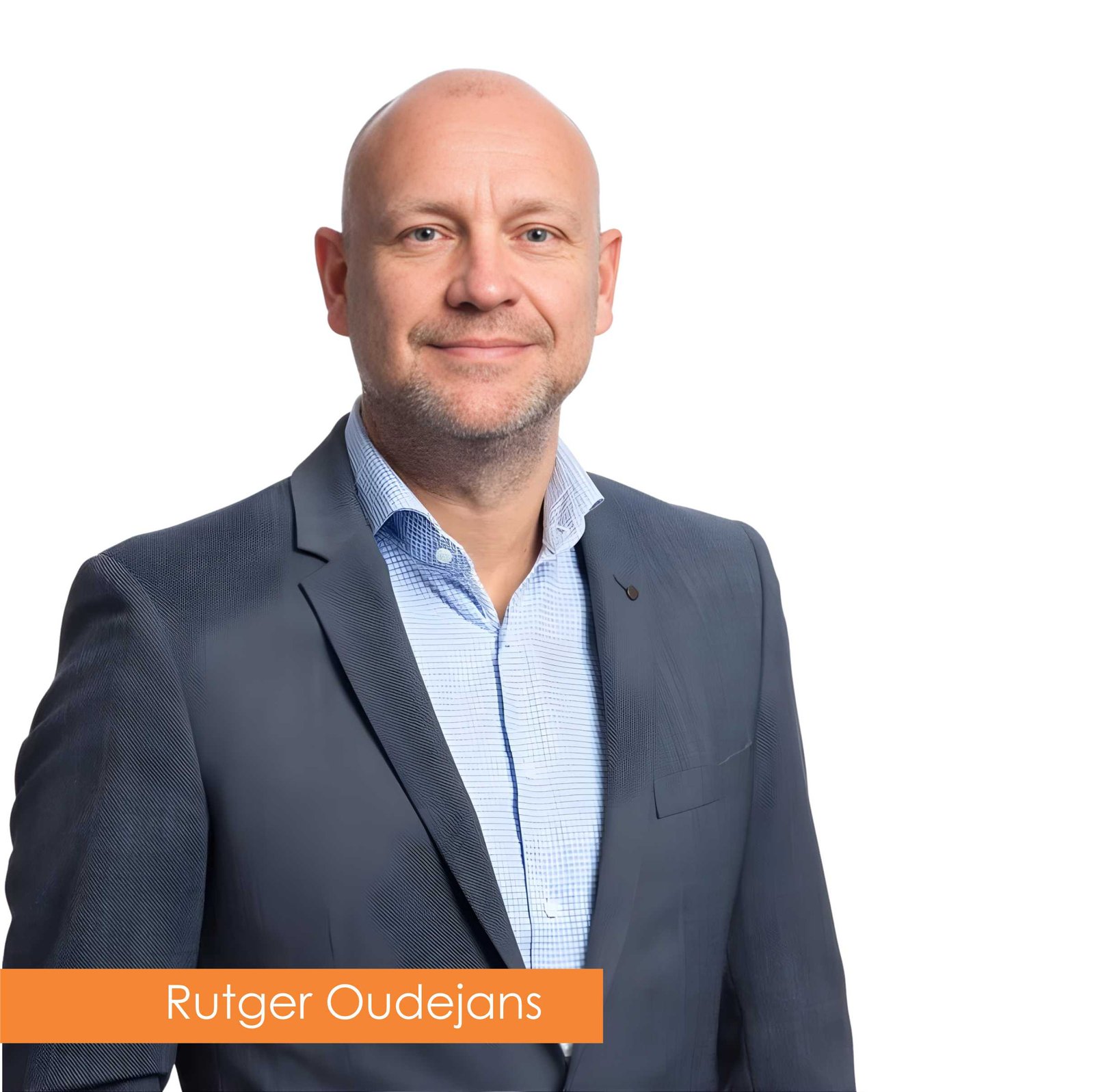
In an exclusive interaction with Think Grain Think Feed, Rutger Oudejans, Managing Director, De Heus India, discusses the company’s legacy, its new Rajpura facility, the evolving Indian feed market, and how De Heus is shaping the future of sustainable livestock production in the country.
Could you briefly introduce De Heus and its global footprint, and how De Heus India fits into the company’s broader vision?
De Heus is a family-owned company with a legacy that traces back more than 300 years to our milling roots in the Netherlands. Over the centuries, we have evolved from a local miller into a fully integrated global animal nutrition group—offering compound feed, premixes, concentrates, and feed specialties for a wide range of species.
What makes De Heus unique is the combination of entrepreneurial agility, short decision lines, and deep technical expertise that comes with being a family-run business. We are driven by a single mission—to contribute to the progress of the agricultural sector and improve food security by supporting independent farmers worldwide.
Today, De Heus operates over 100 production facilities in more than 20 countries, employing 13,000 people and producing over 13.5 million tons of feed annually. Our products are distributed across 75 countries, supporting farmers in poultry, ruminant, swine, and aquaculture sectors.
De Heus India represents an important chapter in this global story. We began operations here in 2017 with a small rented plant in Rajpura, Punjab, and have steadily expanded—through toll-milling partnerships in Assam and Maharashtra, and now our own greenfield factory in Rajpura. India’s growing population, rising protein demand, and government focus on modernizing agriculture align perfectly with our long-term vision of enabling sustainable, efficient livestock farming.
What were the key drivers behind De Heus India’s decision to expand with a new manufacturing facility in Rajpura?
India is at the heart of De Heus’ global growth strategy. It is the world’s most populous nation and one of the fastest-growing major economies, with GDP growth expected around 6.9 percent in 2025. The country is already the eighth-largest animal feed market globally, and the total feed demand is forecasted to grow at a 6.3 percent CAGR to 2030.
We see enormous potential in India’s livestock sector. The factors are compelling—an expanding middle class, increasing health and protein awareness, government support for agri-industries, and a young, dynamic workforce.
Punjab offers several advantages: strong agricultural infrastructure, excellent logistics connectivity, and a large base of dairy and poultry farmers open to innovation. Our investment in Rajpura reinforces our commitment to localizing production, sourcing raw materials domestically, and creating jobs within the regional economy.
The new facility allows us to deliver high-quality, customized nutrition faster and more efficiently to farmers across North India—one of the most attractive multi-species markets in the country. The region’s population—about 350 million in 2019 and growing at a CAGR of roughly two percent—represents a vast and diverse consumer base. While North India’s GDP per capita (around USD 1,480) is slightly lower than the national average, it includes both high-income states like Punjab and lower-income states like Uttar Pradesh. This diversity makes it a balanced and dynamic market for livestock feed. The region also holds some of India’s largest populations of dairy cows, broilers, and layers, offering immense potential for growth across multiple species.
How do you assess the current scope and potential of the Indian livestock and poultry feed market? Which trends are most significant right now?
The Indian livestock and poultry feed market offers enormous potential, driven by the country’s growing population, rising incomes, and evolving consumer preferences toward protein-rich diets. Urbanization, increased per-capita consumption, and government initiatives supporting dairy, poultry, and aquaculture sectors are fueling demand for commercial feed, while feed quality and efficiency are becoming key differentiators.
Overall Trends:
- India has the largest and one of the fastest-growing populations in the world. Combined with low but increasing per-capita consumption, this drives strong local demand.
- Feed adoption varies by species: high in poultry, medium in aquaculture and ruminants, and low in swine.
- The country is a net exporter of animal protein—especially shrimp, buffalo meat, and some poultry products—which provides additional growth opportunities.
- Regions differ in growth potential: the North and East offer high addressable markets due to medium-to-large farms, while the South and West are more mature but stable markets.
Poultry:
- Broilers (CAGR 4.7%) – India is the 5th largest chicken producer. North and East are key addressable markets, while the South and West are more integrated and mature. Growth is driven by professionalization of farms and increasing use of commercial feed.
- Layers (CAGR 4.4%) – Egg consumption per capita is about one-third of the global average, leaving significant room for growth. North and East are expanding, while South houses integrated large-scale farms. Feed is largely price-driven, focused on concentrates, basemix, and pelleted rearing feed.
Dairy / Ruminants:
- Dairy (CAGR 8.6%) – Medium and large farms are the main users of commercial feed, particularly in North and West India. Increasing milk prices and focus on yield, fertility, and animal health are driving compound feed adoption. Smallholder farms dominate but are gradually transitioning to commercial feed usage.
- Ruminants – With a very large cattle and buffalo population, there is strong potential for feed adoption, especially among medium-to-large farms. North and West India lead in commercial feed usage due to larger farm sizes and organized dairy operations.
Swine:
- CAGR 1.7% – Smallest sector, with most pigs fed on starter feed and hotel waste. North and East show slightly higher feed adoption. Growth comes from gradual conversion to commercial feed.
Aquaculture:
- CAGR 7.9% – Driven by rising shrimp and fish consumption. East and South coasts dominate production. Many small and medium farms are still non-users of compound feed, representing a significant growth opportunity.
Key Regional Drivers:
- North India is a highly attractive multi-species region with a total addressable market of 4 million MT/year. Population ~350 million (2019) with ~2% CAGR. GDP varies across states—Punjab is affluent, while Uttar Pradesh is below the national average. Large populations of dairy cows, broilers, and layers make it a strategic growth area.
Market Dynamics:
- The sector is shifting from fragmented backyard farming to more professional, integrated operations.
- Modern technology adoption, processed products, and specialty feeds are growing rapidly.
- Sustainability, product quality, and feed efficiency are becoming key decision factors.
- Early movers in emerging segments like pig feed or shrimp have a strategic advantage.
Overall, India is at an exciting stage: commercial feed adoption is accelerating across species, regions differ in maturity and growth, and opportunities remain vast for international and domestic feed producers who focus on quality, efficiency, and farmer support.
What is the production capacity of the new Rajpura facility, and what technologies ensure feed quality and safety?
Our Rajpura feed mill represents a significant milestone for De Heus India. The facility has an installed capacity of 180,000 metric tons per year, with the potential to expand to 240,000 tons in the future. It is designed with two dedicated production lines—one for monogastric animals (poultry and swine) and one for ruminants (cattle and buffalo).
We’ve invested heavily in European equipment and automation technologies from leading suppliers such as Van Aarsen, PTN, and Prado. The plant features a fully automated production control system, precision dosing, pre-grinding, hammer mills, pellet mills, micro-ingredient bins, premix dosing, and advanced quality monitoring.
Automation minimizes human error and guarantees product consistency, while real-time process control ensures accuracy in every batch. These technologies allow us to produce safe, nutritionally balanced feed that meets both international and Indian quality standards.
What is De Heus India’s strategic vision for the next five years?
Our strategy is built on a multi-tier approach. First, we want to consolidate and expand our presence in North India, leveraging the Rajpura facility to serve the region’s large and diverse livestock base. This region will remain the cornerstone of our operations in the near term.
Second, we aim to scale our activities in the Northeast, particularly in Assam, where we entered through toll-milling in 2023. The region has strong demand for poultry and swine feed, and we see opportunities to introduce layer, aqua, and dairy lines in the coming years.
Third, we plan to extend our reach into western and southern India through new brownfield and greenfield projects. Over time, we envision a pan-India network of modern feed plants that will enhance access, reduce lead times, and ensure consistent quality nationwide.
Beyond feed, we are also exploring value-chain opportunities—including breeding, genetics, and possibly processing—where we can leverage our international expertise to strengthen the entire livestock ecosystem.
De Heus recently made headlines with its acquisition of CJ Feed & Care’s operations across Asia. How does this strengthen the company’s position regionally?
Yes, this is indeed a major milestone for De Heus globally. On the same day we inaugurated our Rajpura feed mill, we also signed a Share Purchase Agreement to acquire CJ Feed & Care’s operations in Vietnam, Indonesia, South Korea, the Philippines, and Cambodia.
This acquisition adds 17 feed mills and a network of breeding and livestock operations to our portfolio, making it the largest transaction in De Heus’ history. It significantly strengthens our footprint in Asia and aligns perfectly with our vision to improve access to safe, affordable, and sustainable animal protein.
For India, this regional expansion creates synergies in technology, R&D, and operational expertise. It allows us to share best practices across markets and bring even more advanced nutritional solutions to Indian farmers in the years ahead.