 The use of antibiotics in poultry production dates back several decades, with applications for therapeutic, metaphylactic, and growth-promoting purposes. As modern poultry production navigates growing concerns related to antimicrobial resistance, antibiotic residues, and increasing consumer awareness, identifying effective strategies to reduce reliance on antibiotics has become a key industry priority.
The Role of Gut Health in Antibiotic Reduction
Most disease challenges in poultry production are intestinal in nature, with antibiotics commonly used to manage enteric pathogens. These include infections such as necrotic enteritis, colibacillosis, and salmonellosis, among others. However, sustaining bird health and performance while minimizing—or eliminating—antibiotic usage requires a focus on gut health optimization.
Gut health encompasses several factors: a balanced microbiota, controlled inflammation, and robust gut barrier integrity. Together, these support efficient feed digestion and nutrient absorption. Any disruption to this homeostasis can compromise bird performance, increase susceptibility to disease, and reduce profitability.
Probiotics as an Alternative Approach
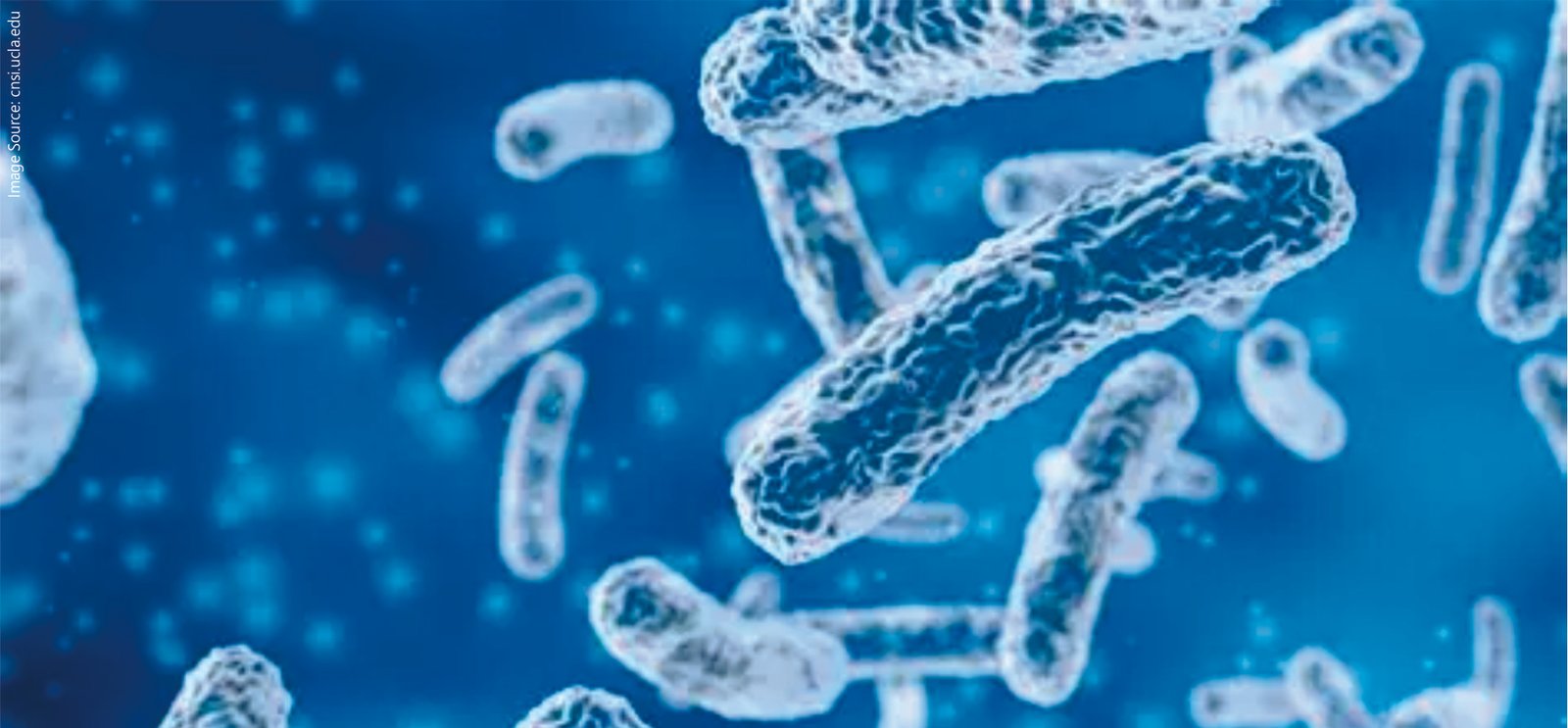
Direct-fed microbials (DFMs), or probiotics, offer a viable strategy to support gut health and reduce the need for antibiotics. Novonesis, a global player in microbial solutions, has developed a library of over 50,000 bacterial strains, including a triple-strain Bacillus-based probiotic comprising two strains of Bacillus subtilis and one of Bacillus amyloliquefaciens. This probiotic has demonstrated efficacy in enhancing performance, improving gut microbiome stability, digestive immunity, and reducing pathogen load—thereby supporting reduced antibiotic use.
 Field Study: Reduced Antibiotic Use and Mortality
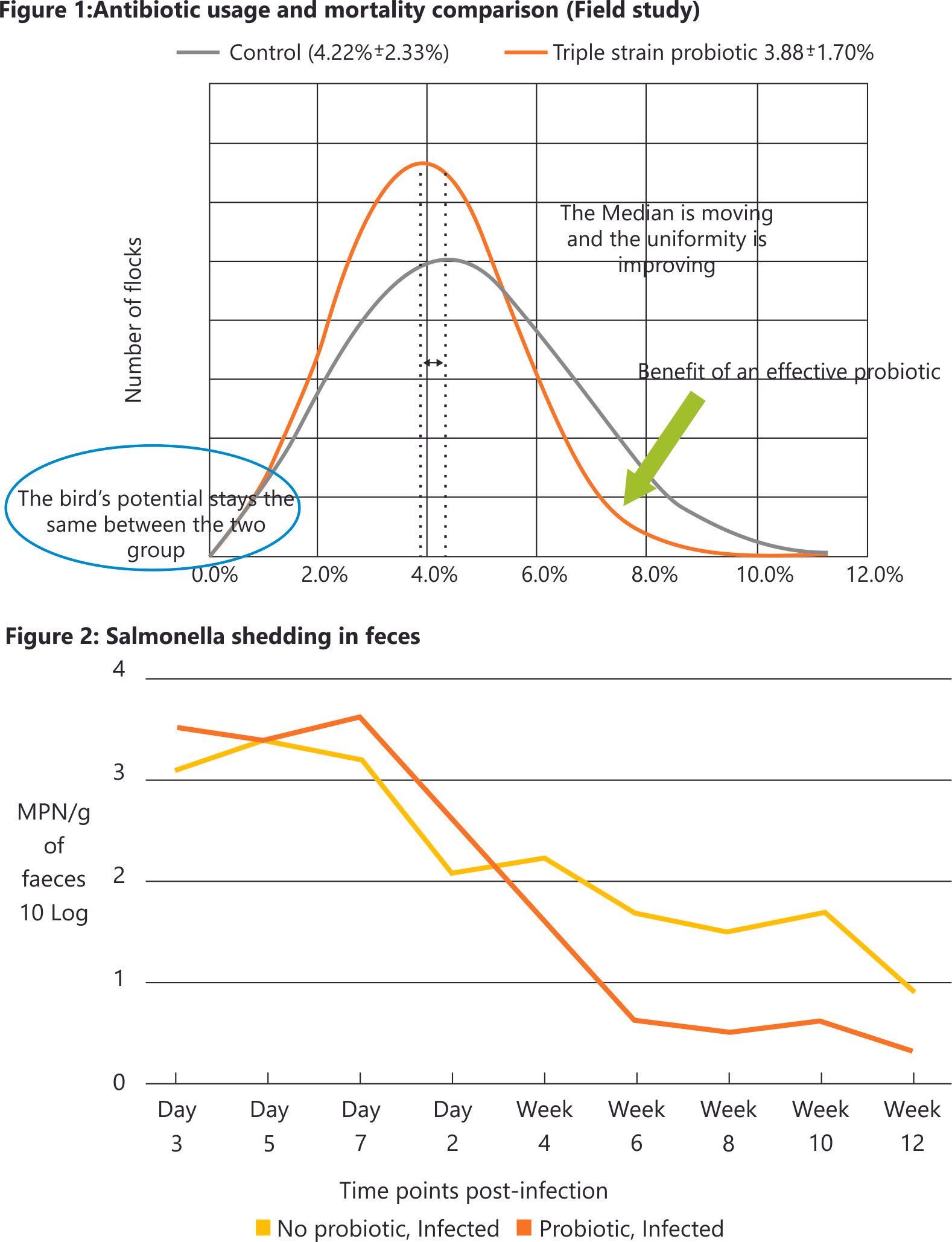
In a large-scale commercial study involving 72 broiler flocks (Ross 308; total of 1.8 million birds), the impact of the triple-strain Bacillus probiotic on antibiotic usage was evaluated. When compared with 36 control flocks (no probiotic), flocks supplemented with the probiotic (36 flocks) showed a 26% reduction in antibiotic usage, along with a 0.39% decrease in mortality (Figure 1).
Mechanism of Action: Pathogen Inhibition and Gut Protection
Under disease challenge conditions, such as those caused by enteric pathogens, antibiotics are typically used to manage infection. However, probiotics can provide gut protection that lessens this dependence.
This was demonstrated in two experimental challenge studies:
- Clostridium perfringens Challenge
- In a U.S. trial using Ross 308 broilers, birds were orally challenged with C. perfringens (1 × 10⁹ CFU/ml by Gavage). The group supplemented with the triple-strain Bacillus probiotic (1.6 × 10⁶ CFU/g of feed) showed a 24% reduction in mortality and a 9% decrease in intestinal lesions compared to the non-probiotic control group.
- Salmonella typhimurium Challenge
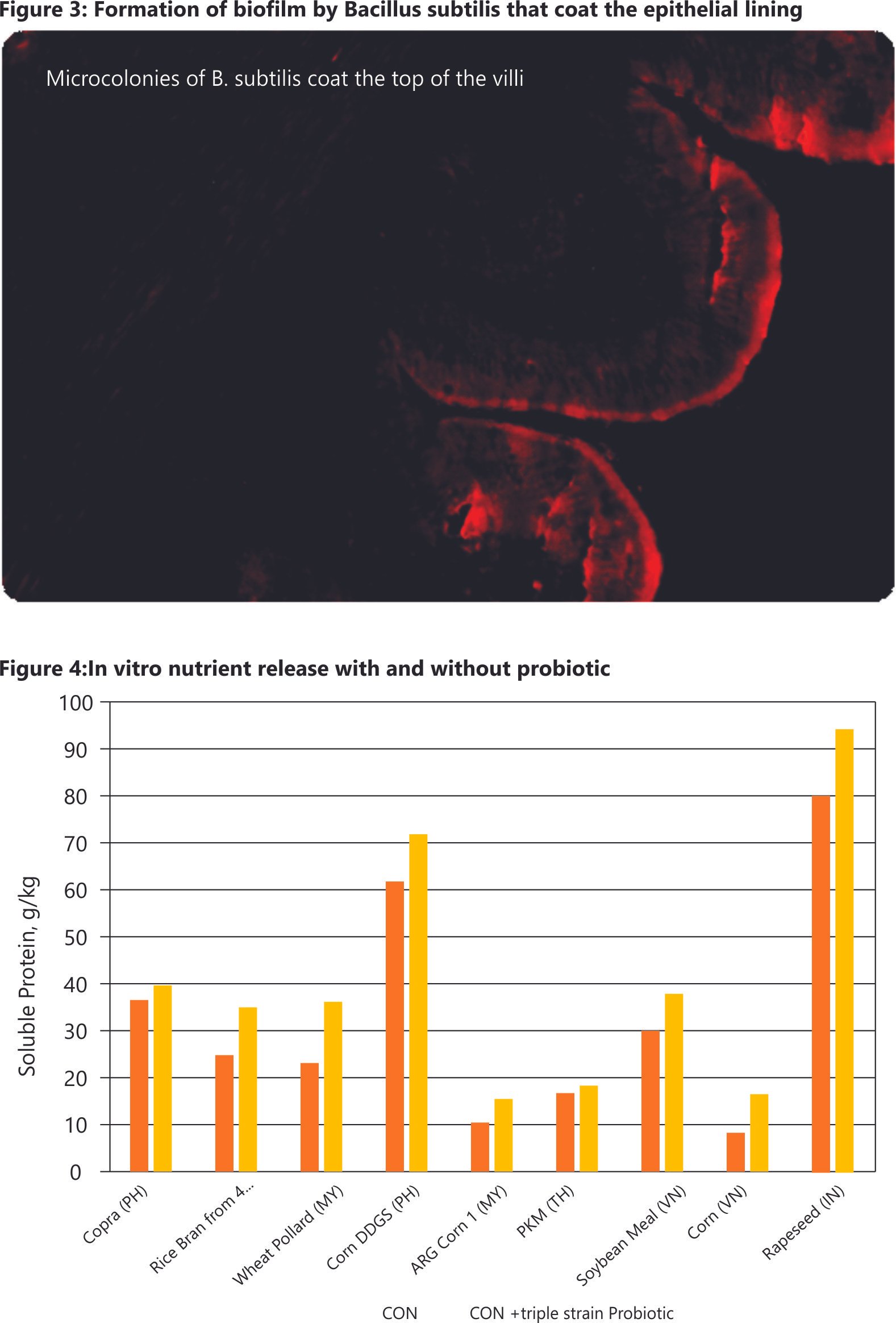
- In an Australian study with layer birds, those supplemented with the triple-strain probiotic and challenged with Salmonella typhimurium exhibited lower fecal shedding of Salmonella four weeks post-infection, compared to the challenged control group. Additionally, organ colonization and meat condemnation risk were reduced in the probiotic group (Figures 2 & 3).
 These benefits are linked to the specific properties of the Bacillus subtilis strains in the formulation, which:
- Form a protective biofilm on the gut mucosa, blocking pathogen adherence (Figure 2)
- Compete with pathogens for nutrients and space
- Secrete antimicrobial lipopeptides (Figure 3)
- Modulate immune responses, including reducing pro-inflammatory cytokine activity
The result is a competitive exclusion effect that limits the colonization of pathogens such as E. coli, Salmonella, and Clostridium spp., thereby supporting reduced antibiotic intervention.
Additionally, probiotics help restore microbial balance by minimizing dysbiosis, which is often associated with both enteric infections and excessive antibiotic use.
Additional Benefits: Feed Flexibility and Digestive Support
Beyond pathogen control, the triple-strain Bacillus probiotic also supports improved nutrient digestibility—enabling the use of alternative or lower-cost feed ingredients.
Initial in vitro assays using various feed substrates showed that probiotic inclusion led to increased energy and protein release compared to control diets (Figure 4). This is attributed to the production of digestive enzymes such as xylanases, cellulases, proteases, and lipases, which enhance the breakdown of complex feed components.
A meta-analysis of 20 broiler trials further indicated an average 3-point improvement in feed conversion ratio (FCR) and a 51-gram increase in final body weight in birds supplemented with the triple-strain probiotic.
Conclusion
While “No Antibiotics Ever” (NAE) programs are not yet universally adopted, they are gaining traction globally. In this evolving landscape, probiotics are increasingly vital tools in helping poultry producers reduce antibiotic use without compromising productivity.
Through proven pathogen inhibition, enhanced digestive performance, and support for gut health, the triple-strain Bacillus probiotic offers a practical and science-backed approach to sustainable poultry production. Safe for feed use and compatible with biosecurity and food safety programs, it is a valuable addition to any antibiotic reduction strategy.