With the India Meteorological Department (IMD) forecasting another exceptionally hot year in 2026, effective heat-stress management in commercial layers has become essential for sustaining egg production and farm profitability. In tropical regions like India, where temperatures may reach 48°C, proactive intervention is critical.
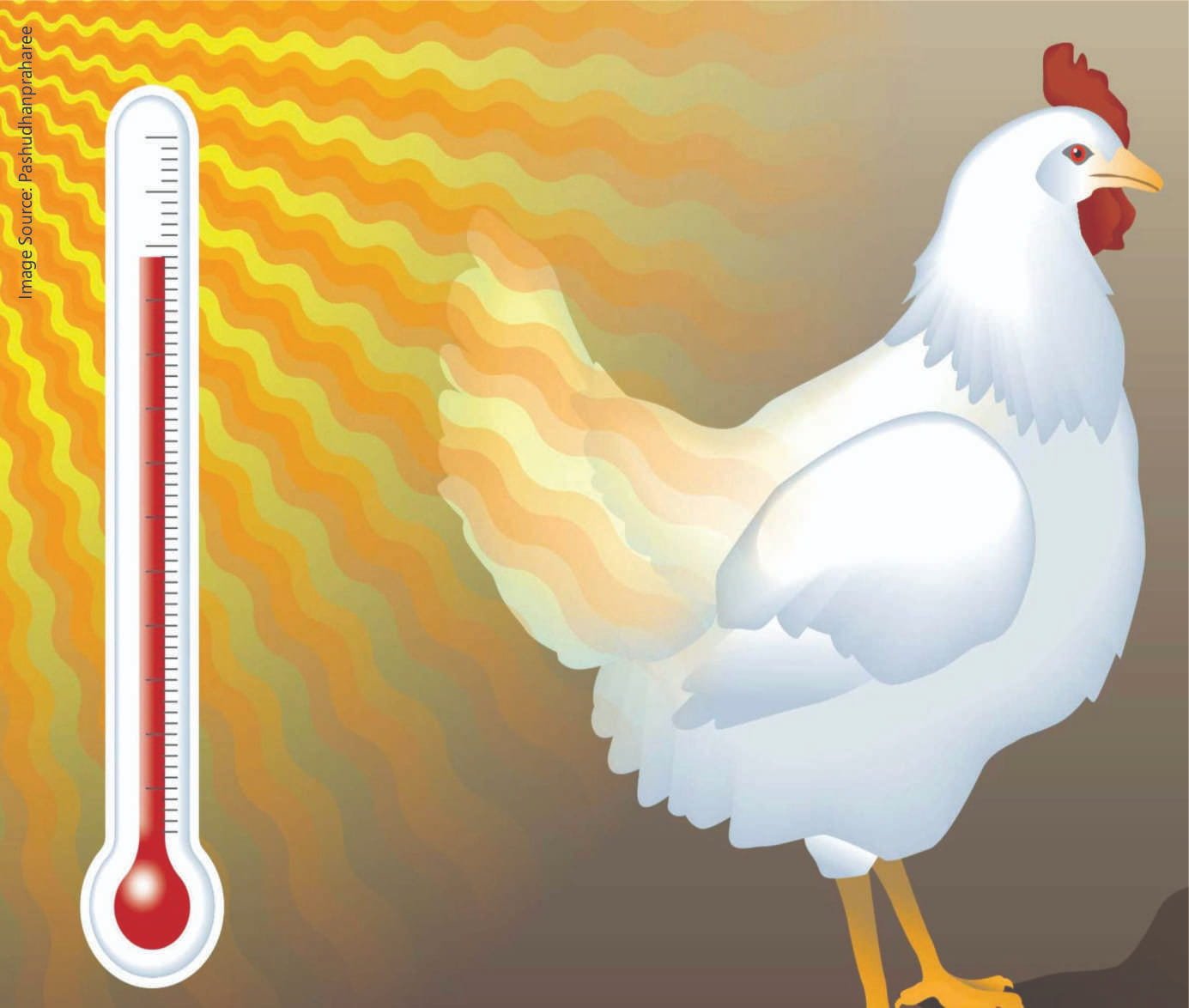
Heat stress begins when ambient temperatures rise above the thermoneutral zone (18–25°C), forcing birds to divert energy from production toward body cooling. Affected layers exhibit panting, increased water intake, and lethargy, and in severe cases, mortality due to heat stroke. Feed intake declines by approximately 2–3 g for every 1°C rise above 30°C, leading to nutrient deficiencies.
Simultaneously, gut integrity and digestive enzyme activity are impaired, disturbing beneficial microflora, reducing nutrient utilization, and weakening immunity. Consequently, egg production may decline by 13–57%, egg weight by 3–5%, and shell thickness by 1–10%. Albumen quality and Haugh unit scores may deteriorate, and the incidence of cracked eggs may increase. Collectively, these effects can cause substantial economic losses, making heat-stress mitigation a top priority during summer.
Strategic Interventions: A Multifaceted Approach
Combating heat stress requires an integrated combining environmental control with precision nutrition.
I. Optimizing the Layer Environment
Efficient Ventilation Management: Strong airflow is essential to remove hot air and introduce fresh air. High-capacity, well-maintained fans, along with properly designed sidewall openings, ensure effective cross-ventilation and help maintain comfortable shed temperature.
Adoption of Evaporative Cooling Systems: Foggers in low-humidity areas, evaporative cooling pads with adequate ventilation and simple gunny curtains fitted with controlled drip system can significantly reduce house temperature approximately 3–5°C without wetting the litter when managed properly.
Roof Cooling and Insulation Practices: Reducing heat entry through the roof is critical. Periodic roof sprinkling, reflective roofing materials and traditional straw thatching (6–8 inches thick with proper slope) act as natural insulation and lower the internal temperature of the shed.
Stocking Density and Space Management: Avoiding overcrowding during summer improves air movement around birds, reduces heat load and minimizes bird-to-bird contact, thereby lowering stress.
Provision of Shade Around the House: Planting trees or installing shade nets and other protective structures around the poultry house reduces radiant heat and improves the surrounding microclimate.
Litter and Air Quality Management: Maintaining dry litter prevents ammonia buildup, improves air quality and enhances bird comfort and performance during hot weather.
II. Precision Nutrition for Heat-Stressed Layers
Energy-Dense Summer Rations: Replacing part of the carbohydrates with 1–2% vegetable oil improves energy density with lower heat production and helps maintain egg output. When temperatures exceed 27 °C, dietary energy can be increased by approximately 5%.
Balanced Protein and Amino Acids: Optimal crude protein levels must be maintained, as reduced summer feed intake already lowers protein consumption. The use of highly digestible protein sources, synthetic amino acids, and protease enzymes enhances nutrient utilization and reduces metabolic heat production
Vitamin, Mineral and Electrolyte Fortification: Summer rations should contain 10–15% higher vitamin and mineral levels. Supplementation with Vitamin E (100–250 mg/kg), Vitamin C (100–200 mg/kg) and Vitamin A (15,000 IU/kg) supports immunity and eggshell quality.
Slightly higher inorganic phosphorus levels and adequate zinc (80–120 mg/kg) should be maintained. A dietary electrolyte balance of approximately 250 mEq/kg is recommended. Sodium may be supplied through sodium bicarbonate at 0.2–0.3% to maintain acid–base balance and reduce stress. Anhydrous betaine supplementation at 500–1,000 mg/kg supports cellular hydration.
Gut Health Support: Use of multi-enzymes (phytase, NSPases and protease) and poultry specific probiotics improves digestibility and maintains intestinal integrity during heat stress.
Summer Feeding Practices: Provide coarse mash with added oil and offer feed during early morning and late evening hours. Midnight feeding, supported by 1.5–2 hours of lighting, can further encourage feed intake. Supplying coarse calcium in the afternoon supports optimal shell formation.
Water Management: Ensure continuous supply of cool, clean water, as consumption may double in summer. Keep water below 25°C by frequent flushing. Supplement drinking water with electrolytes and vitamin C to maintain hydration and reduce stress.
III. Additional Management Considerations
Schedule vaccination, handling, and other routine activities during the cooler hours of the day to minimize stress. Adjust lighting programs to encourage feed intake during cooler periods. Closely monitor birds for signs of heat stress, including panting, reduced activity, and declining egg production.
Administer vaccines early in the morning and adjust medication volumes during water-based vaccination to account for increased water consumption.
Conclusion
Effective heat stress management in commercial layers requires a proactive and integrated approach. Proper environmental control, precision nutrition and sound management practices help protect flock health and sustain egg production during summer. Continuous monitoring and timely corrective measures are key to maintaining performance, profitability, and long-term farm sustainability.
By Dr J. Raju, Assistant Professor, P.V. Narsimha Rao
Telangana Veterinary University, Hyderabad and Dr I. Bala Sundaram, Poultry Consultant, Telangana