Livestock remains one of the strongest pillars of Indian agriculture, contributing nearly 4.5% to the national GDP and over one-fourth of agricultural GDP while sustaining the livelihoods of millions of rural households. Beyond its economic significance, the sector provides a reliable source of income through milk, meat, wool, and manure, serving as an essential safety net during crop failures. As India’s demand for milk and other animal-derived foods continues to grow, ensuring a sustainable and year-round supply of quality livestock feed has become more critical than ever.
Yet, one of the biggest constraints to achieving higher dairy productivity is fodder scarcity. Despite being the world’s largest milk producer, India continues to face an estimated 32% deficit in green fodder and 23% shortage of dry fodder. This imbalance results in inconsistent feed availability, escalating production costs, lower animal productivity, and reduced farm profitability, posing a significant challenge to both dairy farmers and national food security.
Recognizing this challenge, the ICAR–Indian Institute of Maize Research (ICAR-IIMR), Ludhiana, under the Ministry of Agriculture & Farmers’ Welfare, has launched a pioneering programme titled “Upscaling Maize-Based Silage Value Chain in Punjab & Haryana.” The initiative aims to establish maize silage as a scientifically validated, economically viable, and environmentally sustainable solution for year-round fodder availability while strengthening the dairy value chain across North-West India.
Why Maize Silage?
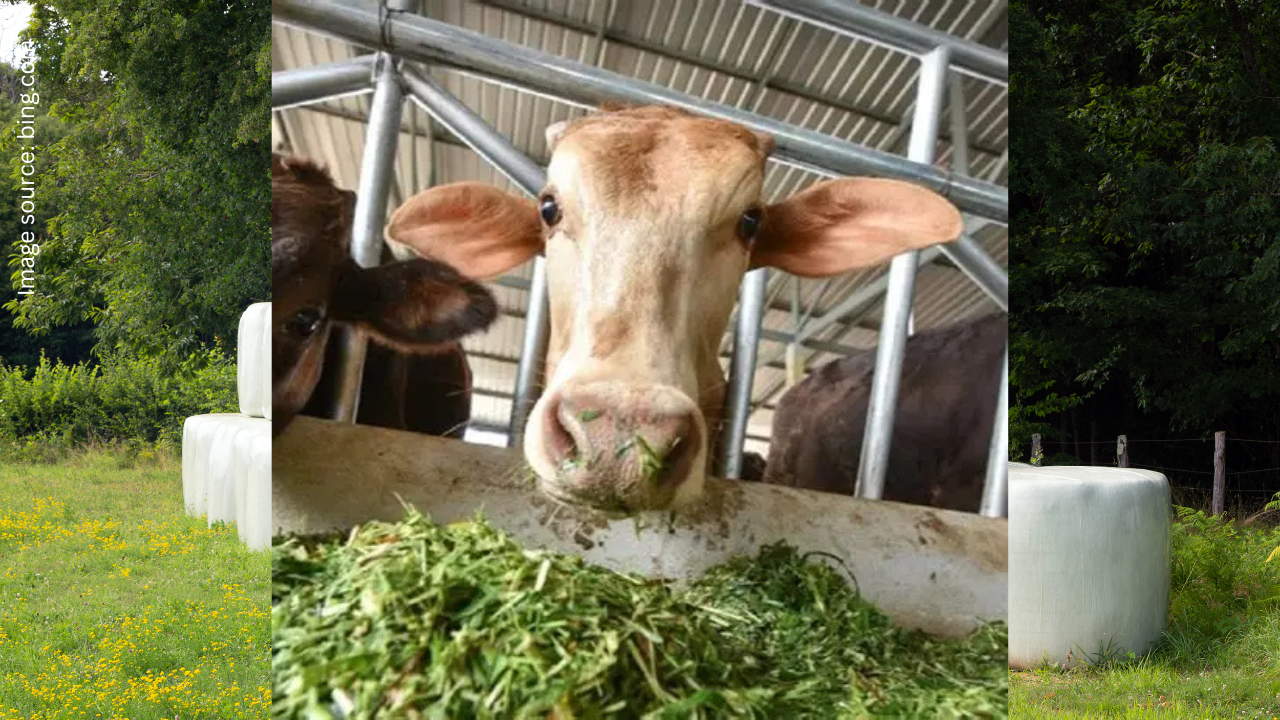
Maize has emerged as the preferred crop for silage production owing to its exceptional biomass yield, high starch content, superior digestibility, short crop duration, and excellent storage characteristics. Often referred to as the “pickle (achar) of animals,” maize silage is a fermented green fodder prepared under anaerobic conditions that becomes ready for feeding within 40–45 days and can be safely stored for several months without compromising nutritional quality.
Its balanced nutritional composition—including optimum dry matter, 14–20% starch, moderate protein levels, digestible fibre, and essential minerals—makes it an energy-rich, dependable, and cost-effective feed for dairy animals, supporting improved health and higher milk productivity.
A Holistic Approach to Silage Development
ICAR-IIMR’s intervention extends far beyond promoting a single crop. The institute has developed an integrated silage ecosystem by combining improved maize genetics, scientific crop management, mechanized harvesting, and farmer-centric institutional support.
High-yielding maize hybrids specifically developed for silage, together with improved agronomic practices and mechanization, have significantly enhanced fodder yield and quality. Importantly, the programme encourages maize cultivation during the kharif season, promoting crop diversification, reducing dependence on water-intensive paddy cultivation, and contributing to improved groundwater conservation and environmental sustainability.
Recognizing the diversity of Indian farming systems, ICAR-IIMR has also introduced multiple silage preparation methods—including pit, drum, bag, and bale silage—allowing farmers of all scales to adopt the technology according to their resources and operational needs.
Creating Rural Enterprises Alongside Better Fodder
The initiative has not only improved fodder availability but has also created new livelihood opportunities. The flexible silage production models have encouraged the emergence of commercial silage enterprises and localized fodder markets, strengthening the rural economy.
Through extensive demonstrations, training programmes, and field-level capacity-building initiatives, more than 1,000 farmers and dairy stakeholders across five clusters in Punjab and Haryana have been trained in scientific silage production and management, accelerating technology adoption across the region.
Measurable Results in Productivity
The programme has demonstrated impressive field-level outcomes.
Across nearly 400 acres of demonstration plots established during both kharif and spring seasons, ICAR-IIMR’s improved production technologies recorded approximately 15% higher fodder yields compared with conventional farmer practices.
Equally significant has been the impact on dairy productivity. Feeding trials using whole-plant maize silage—including the nutrient-rich cob—reported 10–20% increases in milk yield, highlighting the nutritional advantages of high-energy maize silage.
In another innovative intervention, ICAR-IIMR demonstrated how the residual biomass from baby corn and sweet corn cultivation—traditionally treated as agricultural waste—can be converted into high-quality silage by supplementing it with suitable energy sources. This approach effectively transforms agricultural residue into valuable livestock feed, creating additional income while reducing waste.
Scaling Up for Greater Impact
Building on the programme’s success, ICAR-IIMR is establishing model silage bale-making units across Punjab and Haryana, each involving an investment of approximately ₹1.30 crore. These centres will function as demonstration and training hubs while promoting quality assurance, entrepreneurship development, and commercial silage production.
The initiative is expected to directly benefit nearly 3,000 farming families every year, strengthening regional fodder security and creating a robust maize silage value chain capable of supporting sustainable dairy development.
Towards a More Resilient Dairy Sector
ICAR-IIMR’s maize silage initiative demonstrates how scientific innovation, sustainable farming practices, and farmer participation can collectively transform livestock production systems. By expanding maize cultivation for silage across 500 acres each during kharif and spring seasons in Punjab and Haryana, the institute is laying the foundation for a resilient fodder ecosystem that supports higher dairy productivity, improved farm incomes, efficient resource utilization, and rural entrepreneurship.
As India’s dairy sector strives to meet growing nutritional demands while addressing climate and resource challenges, maize silage is emerging as far more than an alternative fodder—it is becoming a cornerstone of sustainable livestock production.
Source: ICAR–Indian Institute of Maize Research (ICAR-IIMR), Ludhiana.